The change that has amassed through such advances like technology is something that has become ingrained in our society globally.
When the media merges with dozens of other mediums that can help push forward bits of information at the speed of light, it’s incredible what digital convergence has done over hundreds of years.
While many feared that these kind of advancements would topple the media industry, they’ve actually made it innovative and creative in a way that no one ever realized was possible. Think of every dystopian novel out there– the major fear was that technology would get into the wrong hands, thus getting out of hand.
Although that may have been the case in some ways, it’s not the only way to look at how our world has changed through simply being able to attain a mass amount of information in seconds.
Learning multimedia is not easy. To some it is first nature, to some it is a little bit of an unwanted appendage that you really grew to respect anyways. There’s a reason why some choose to learn in a class setting instead of watching youtube videos on their own. Trying to wing something doesn’t normally end with enticing results. This is where media literacy comes into play.
It’s a journalist’s job to be a watchdog. Without holding fast to that basic identity that has really help change the course of the entire world, it’s no wonder that most corporate media tends to end up slipping up at some point.
In a world that oftentimes only sees white and black, one must come to ponder why the United States ends up with problems so vast that many can’t help but scorn when they hear about what’s going on with politics or in their city lately. Because of social media, we’ve all become isolated.
What would you do in order to go against the grain? Is it wrong to not want to be complacent sometimes? Unfortunately Millennials, Generation Z and those after are stuck with footing the bill that has become climate change. Without digital convergence and media literacy, the world would be doomed.
Change is needed now, immediately, every single day. Without it, there is no future for journalism, or anyone for that matter.
I just watched a fire burn the hills behind the house I currently live in. The Tenaja fire in Southern California. That’s the impact of climate change. I packed my bags the second I saw smoke because after doing some calculations, I realized that the fire was barely 2000 acres from my house.
The fire stopped a bit over 1900 acres, according to reports from Cal Fire. The hills behind my house burned. With four animals at my house, what would I have done if I wasn’t ready when the first evacuation orders had came? It was a mess that I wasn’t planning on tackling.
Since then, there’s been a few outbreaks in the same exact area. And as some scientific models found online that are reposted through various weather journalists across the pacific, October is looking like it’s going to be dry instead of wet.
Without advancements that digital convergence has excelled with, there would be no way that I could have the media literacy enough to explain to you how it feels to predict a fire coming to the back door of your house. All through the means of checking government agencies’ websites, Twitter posts through hashtags and the local media.
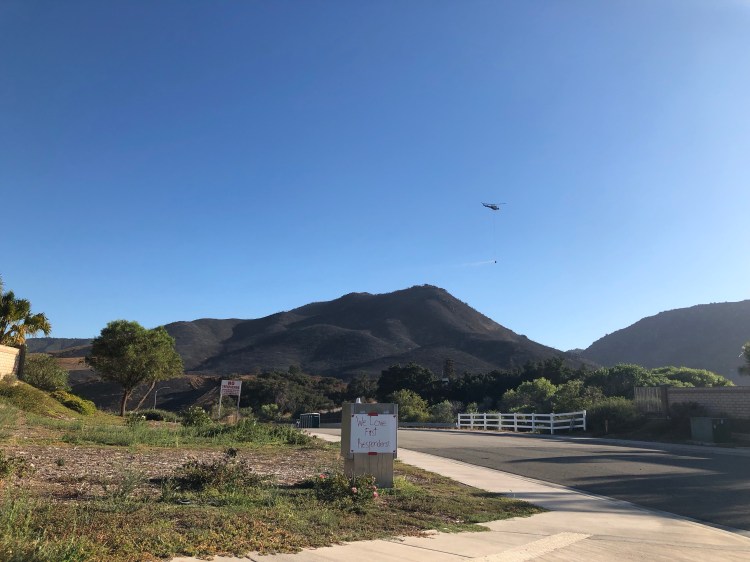
The view from Vineyard Parkway during the Tenaja Fire, about 1.1 miles away from Montanya Place in Murrieta California. 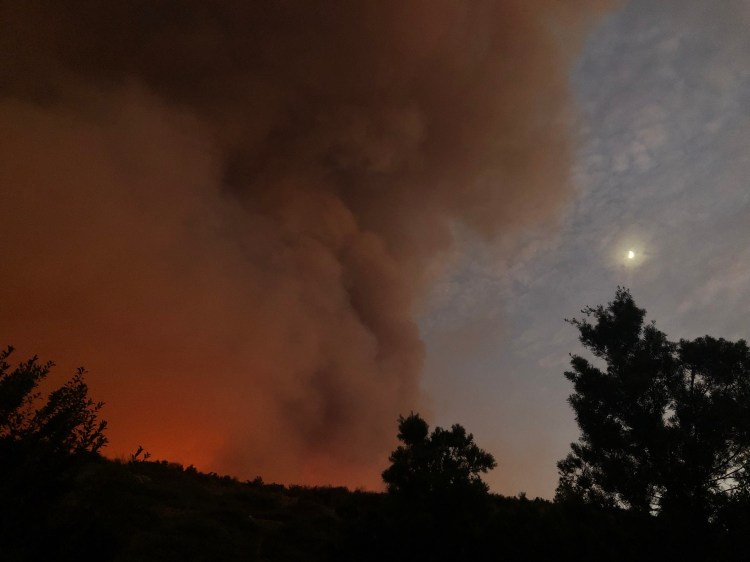
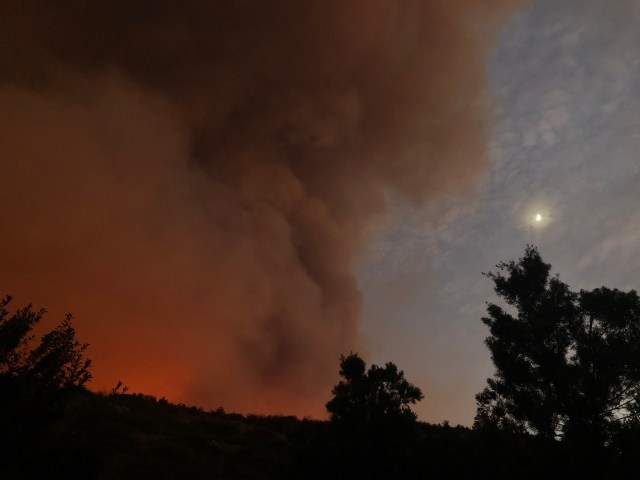
In my backyard, the night I evacuated. 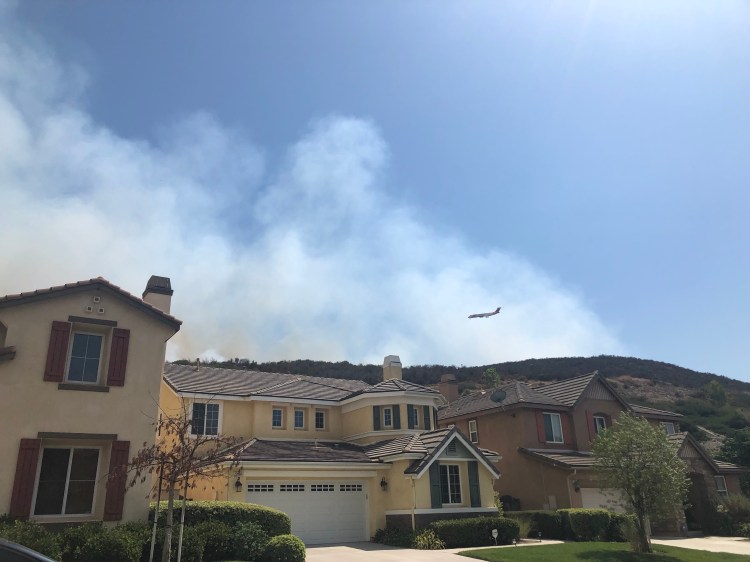
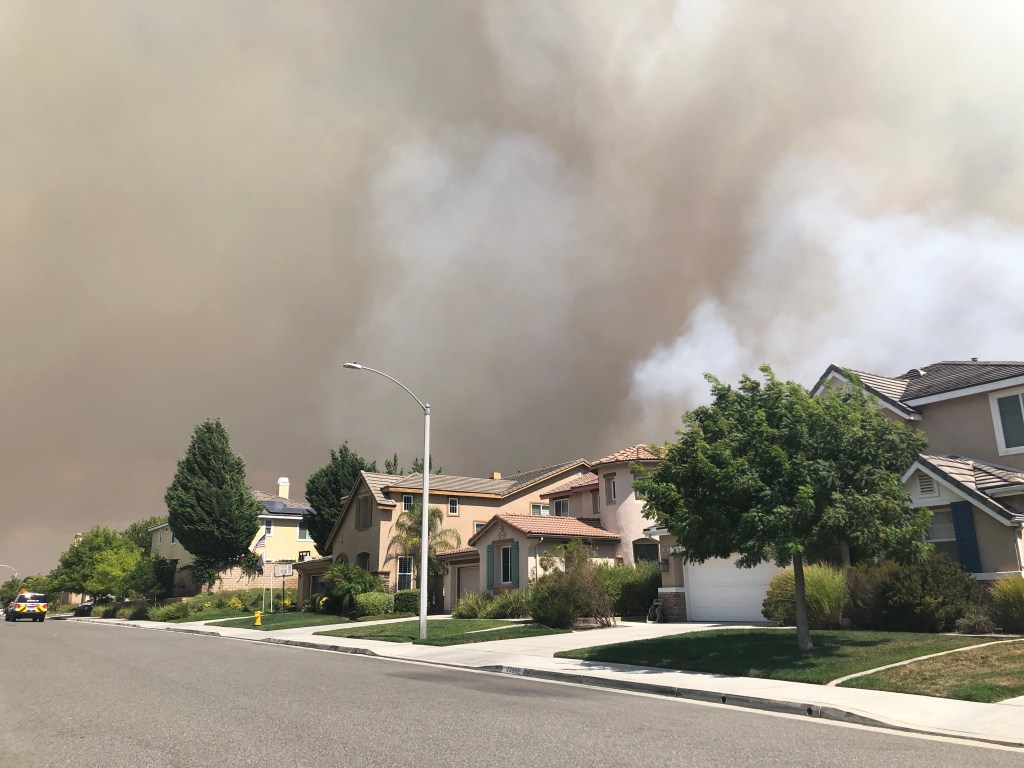
The mandatory evacuation day. We weren’t the only nervous residents. 
Smoke and debris piled on top of the houses, cars and landscape for up to 3 miles. 
Daunting and heavy, smoke in the air drastically brought down the air quality across the region. 
Ash can be seen in flash pictures. 
A bright, ominous red couldn’t be more startling or beautiful. 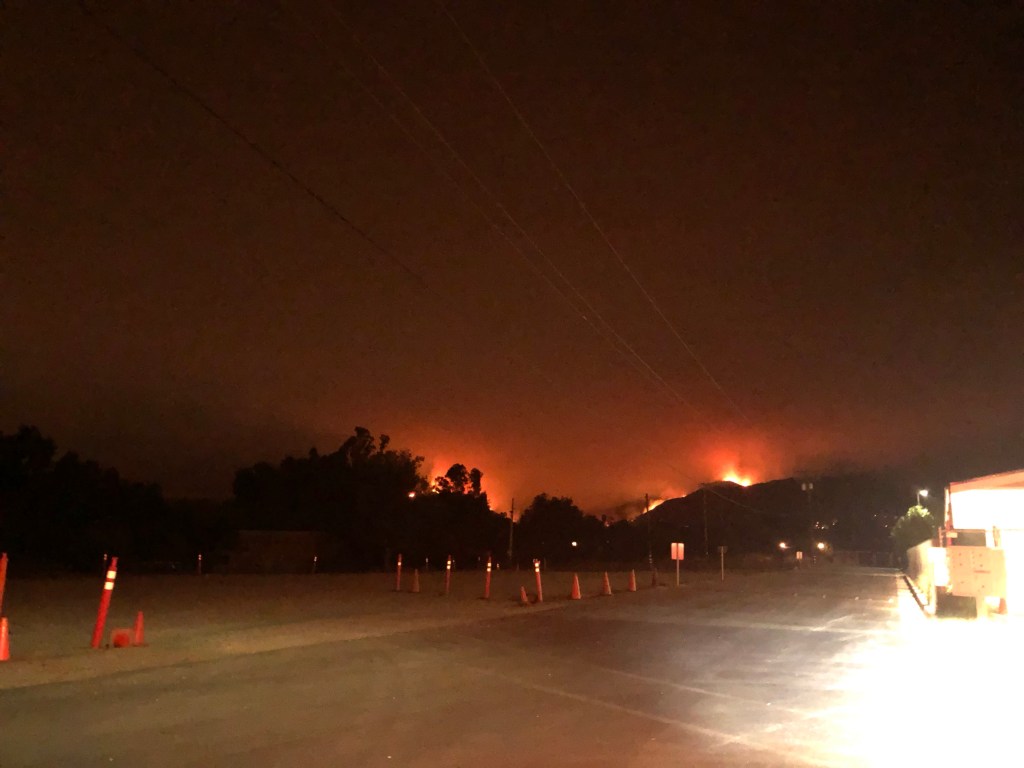
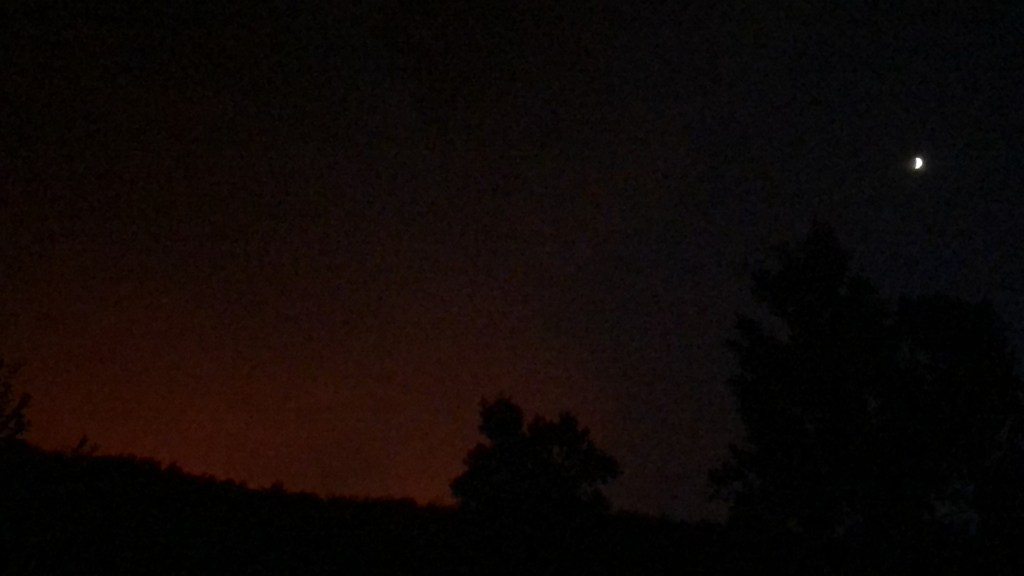
About two miles east of the Tenaja Fire, the night I evacuated. 
The views expanded across the sky into Wildomar, Sedco Hills, Lakeland Village, Temecula and Lake Elsinore, California.
My house is fine, but the thought of another fire happening always remains. Grim reminders of what Paradise, California went through are painful as I imagine another fire tornado coming down the hillside. But with vigilance comes safety. Knowing what you’re up against, thanks to the internet and media literacy, is life changing sometimes.
Even though Paradise is quite far from where I am, the way the suburbs are set up out here are almost the same. Homes tightly nestled against the mountain range, the Santa Rosa Plateau and the Cleveland National Forest. The amount of fire hazards out here are crazy. Throw in a little bit of monsoon weather that causes lightning strikes and boom! There’s fire weather for you.
I’m not great at math or science but I am a journalist fascinated with the phenomenon of climate change. It’s something that many people would know little about without the use of technology today.
Although many still don’t realize when there’s some bias in their news program, it’s important to support individuality and continue to champion the truth–for everyone.
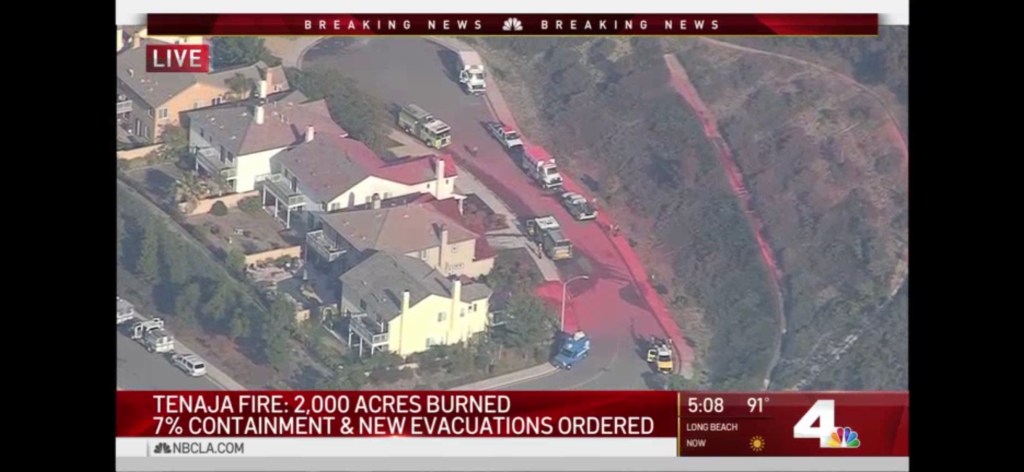
As a journalist, you learn to look at things for both the big picture and the small. These are the things that help keep one objective enough to truly get culture. Without it, you’ll go complacent or misinformed.
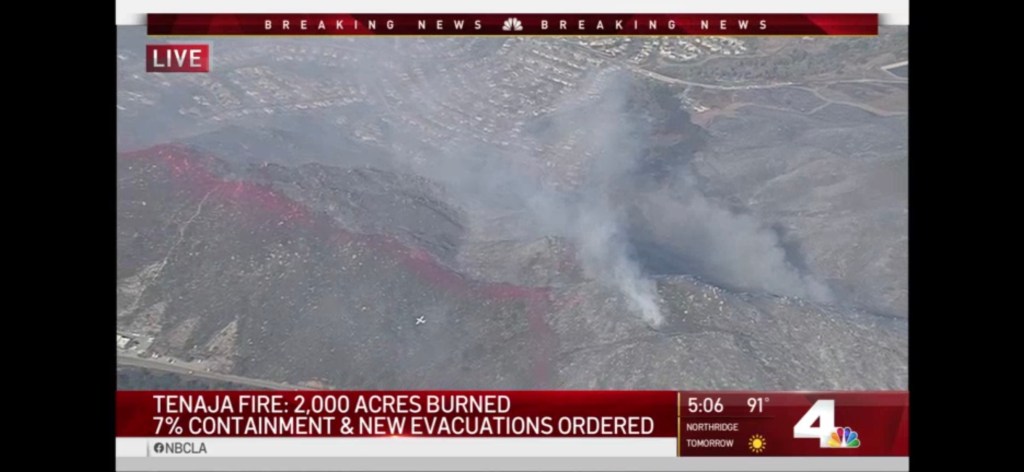
This is why it’s imperative to know digital convergence inside and out. It could save your life and your property sometimes. This kind of danger will continue as climate changes impacts us in ways we aren’t ready for.
 All's Well That Ends Well