We can’t get away from social media and the impact it has had on the media, marketing, advertising and the realm of public relations. So it’s like the old saying goes: if you can’t beat ’em, join ’em.

Being able to understand and harness these new catalysts for communications helps us understand how commercialization, personalization, entertainment and media have all intertwined.

I decided to jump into the world of print journalism. I’ve found through the years that I’ve also had to learn to master various other platforms as well.

Multimedia rules our generation and while it’s sometimes scary and a pain to learn, it’s something that every journalist needs to get in order to push their career forward. It’s truly something that is a gift and a curse.

In the easiest terms, it’s a way to document memories without having so much of it on paper. What you say or do on the internet is out there forever.

Right now America is watching the impeachment inquiries of President Donald Trump. You can watch it on the television. You can watch it online just about anywhere–Facebook, Instagram, YouTube, various media and probably even Twitch. I happened to catch it on Twitter.

Yes, a social media website. How does that happen? I’m sure I’m not the only one to see it, and the internet gives everyone a way to pay attention. Whether at work, in school or at home, there’s a way to check in on what pertains to your life.

Now social media can be personalized to a point where you can see information while doing other things. We’re all multi-tasking. It’s also a case of the second screen experience.

There’s little tools like Google Home and Amazon Alexa that will tell you news headlines in real time while you go about your day. There’s all these ways to stay tapped in.

When the information is good, it’s that much easier to put trust in the second screen experience. But I feel like just how many journalists now operate with a disclaimer in order to differentiate from their bias, it’s important that every other part of the industry does the same.

For the most part, it does happen. But there’s still a few bad apples here and there.

Twitter is also a place where we can now see real-time commentary. It’s a place where we’ve seen every part of the communications industry flourish.

Public relations has a fast way to react to damage control and everyone can effectively communicate with each other in a way never seen before the digital era. However, if the intentions of good aren’t there, we’re just looking at more propaganda.

For example, think about how big oil companies are trying to push the narrative that they’re looking for a “greener” route to do their business. It’s clear that there is not.

Or what about how private energy companies like Pacific Gas and Oil or Southern California Edison can continue to push that shutting off power during fires is only beneficial to the fact that they are no longer liable if there’s a massive natural disaster that might have been their fault?

Thanking people for their “patience” is really the bare minimum. However it’s all they can do to not make anymore people blow up on them.

There’s also the fact that because of social media and callout culture, there’s no reason to attempt to hide anything from the public anymore. If there’s a farce, expect it to be revealed. Like..in the case of Californian Governor Gavin Newsom. Taking money from those he has recently scorned.

Unfortunately Twitter is a place where misinformation is a problem. That’s why it’s up to those in our field to be able to make things clearer for those without the media literacy to spot a scam. And it’s important to be able to keep an open line between companies and those that use their services.

If we, as journalists, don’t continue to learn innovative ways to utilize social media, it’ll probably overtake us. With the next presidential elections looming, it’s clear that we need to be wary of what’s to come.

But with vigilance, it’s apparent that the world is ready for the truth to be told and for personalization to come with it.

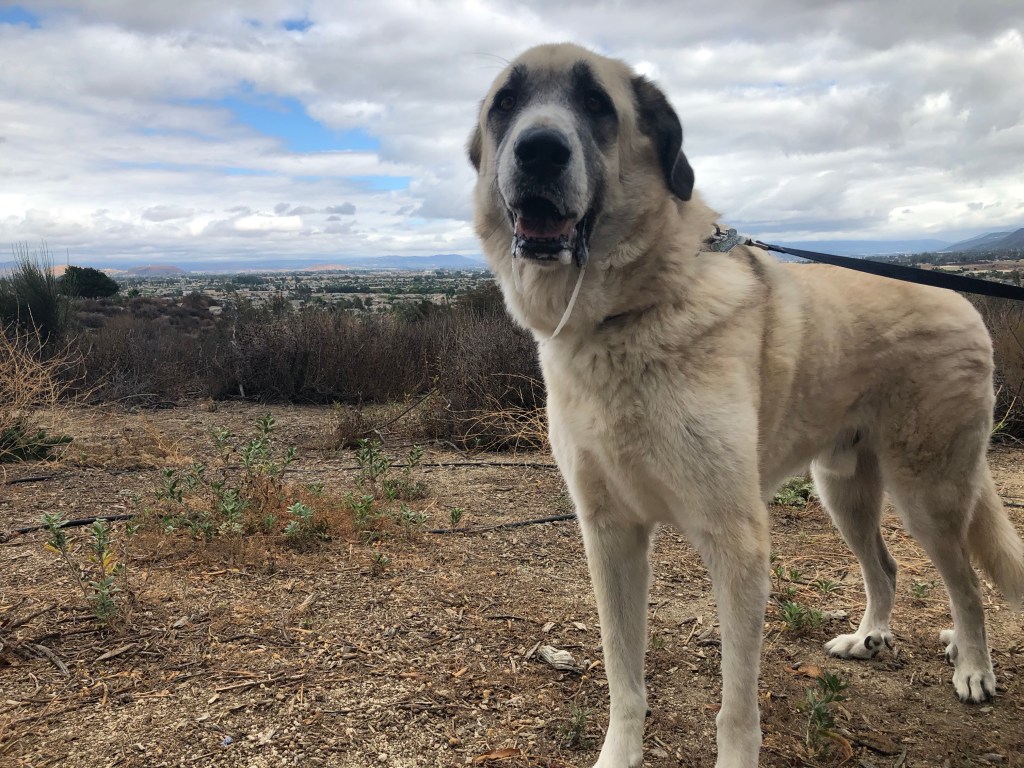
Social media is a way for everyone to connect–even for dog owners. Here’s a picture I shot of one of my dogs for his Instagram during a walk this month. Yes, my dog has an Instagram. And I’ve been able to find more dog owners that have the same breed. It’s great.

What’s the biggest impact social media has made on how we interact with one another?

Who do you talk to these days? And how are you talking to them the most?

For many, it’s through our smartphones. Asking for an Instagram username is like calling someone’s house phone back in the day and asking them on a date, or to come outside to hang out.

Interaction–something that has drastically changed over the past two decades. It’s crazy to think that the days of growing up outside as a child are massively different.

Everyone has a phone in their hand; I received my first phone in middle school. My younger sister? She had one in third grade. My mom’s reasoning was for safety. It was something foreign to me. The difference here is our age gap of seven years.

I’ve read every single Harry Potter novel. And I could read an entire novel in a day. I’m not special for it. I’m sure a lot of people have too. It’s just that now, that kind of dedication is rare, especially when your phone is lighting up every fifteen minutes with a new notification.

Since technology and social media altered our society’s attention spans, I’ve never been able to read a novel quickly since. I get bored easily and at some point, I’m going to check my phone. I have to even use my phone to go to sleep.

Not having access to social media is like cutting off one of my index fingers and an ear. Without it, I’ve lost a way to vitally interact with others. That’s one of the many cons of social media.

Now, harboring some kind of presence takes precedence over knowledge. It’s frightening for our future.

However, there’s those that have actually developed enough media literacy on their own to actually use their platforms to not only make people laugh or smile, but to bring awareness that impacts the global population in a million ways.

For me, Twitter has become the best place to find breaking news. Instagram has become a place for me to showcase my photography.

Thanks to social media, everyone can be a model, actor, artist and citizen journalist, to name a few things. A business can grow from local to worldwide if you’ve got the right marketing tactics.

While this has caused for saturation to accelerate in terms of actual talent in many fields, it’s also brought plenty of new talent that might have never been discovered before without the help of the internet.

Let’s talk about rapper and actress Cardi B. She gained her fame through social media by posting her life to Twitter and Instagram. She went from rags to riches, and then some.

She’s now considered one of the best female artists in the pop realm. Her openness and realism through various social media platforms is what makes her relatable.

Social media has really pushed forward commercialization for businesses and individuals alike, especially in the case of celebrities.

Think about the Kardashian family. Would they really be this famous if it wasn’t for them jumping on the social media bandwagon?

Kylie Jenner made an entire empire through her Instagram account before she turned 21 years old.

She’s become a staple for women across the country–a roundhouse millionaire, all thanks to social media. Without social media, there’s no way her makeup line would’ve flourished the way that it has.

It’s pretty common to see the younger generation have more than 1k followers these days. Life is measured by the likes you get online. If you’re able to push your passion out there to the right people at the right time, it could change your life for better or worse.

President Barack Obama used Twitter, Reddit and Instagram to stay connected to the general public. Now every Democrat running for office is adopting the same routes.

It’s a thing that other individuals, regardless of the field, have latched onto for the same reason.

An instant way to provide information and answers, social media has actually provided an easier catalyst for journalists to give out news consistently, 24/7.

As social media continues to change, it’s going to further change the way society interacts with others. On one hand, social media brings people together that might have not been able to interact before. Think about online dating, for example. Suddenly, the world is not that small.

When I was in fifth grade, I joined a Linkin Park message board for die-hard fans. I ended up staying friends with people I met on there till this day, even if we don’t live in the same part of California.

But then again, social media has also brought newfound body dysmorphia and isolation. Kids would rather sit on Youtube and TikTok instead of enjoying what’s probably the last decades of affluent nature.

Like I said, our lives are now dictated by the likes that we get. And when you can’t fulfill that satisfaction, you don’t want to associate with anything at all. At least some of us have that awareness. For others, they don’t know anything else.