Introduction

Leadership isn’t about holding a title in today’s rapidly changing workplace; it’s about influencing, motivating, and empowering others (Reed & Klutts, 2019). While many leadership models are presented as stand-alone solutions, the reality is that no single style works in every situation.

The most successful leaders take a blended approach — combining elements of servant leadership, transformational leadership, authentic leadership, and emotional intelligence to adapt to their teams’ needs.


Core Leadership Approaches That Work Together

1. Servant Leadership

Servant leadership flips the traditional hierarchy: leaders serve first, lead second. This style prioritizes empathy, active listening, and the well-being of others (Greenleaf, 1970, 1977). Servant leadership builds trust, creates an environment for loyalty, and helps teams thrive in modern workplaces.

Key Benefit: Creates a culture of care and mutual respect, boosting employee engagement and retention.


2. Transformational Leadership

Transformational leaders lead by example through vision, innovation, and motivation (Bass & Avolio, 1994). They encourage personal and professional growth, often driving organizations to adapt and evolve in competitive industries.

Key Benefit: Encourages change readiness and fosters a shared sense of purpose.


3. Authentic Leadership

Authentic leadership is grounded in transparency, moral integrity, and self-awareness (Walumbwa et al., 2008; Azanza et al., 2013). Authentic leaders build strong relationships by being open about challenges, admitting mistakes, and aligning actions with values.

Key Benefit: Builds deep trust and credibility with teams.


4. Emotional & Social Intelligence

Emotional intelligence (EI) involves recognizing and managing your emotions while understanding and influencing others (Tucker et al., 2000). Social intelligence complements EI by helping leaders navigate complex interpersonal dynamics.

Key Benefit: Strengthens communication, conflict resolution, and team collaboration.


Why Blending Leadership Styles Works

Research consistently shows that combining leadership theories leads to stronger outcomes in the praxis:

  • Authentic leadership increases job satisfaction and team commitment (Bamford et al., 2012; Leroy et al., 2012).
  • Servant leadership, when aligned with employee values, boosts performance and reduces turnover (Meuser et al., 2011; Ozyilmaz & Cicek, 2015).
  • Emotional intelligence equips leaders to handle conflict, navigate change, and foster psychological safety (Boyatzis et al., 2006).

By utilizing these approaches, leaders can create pedagogy catered to inclusive, adaptable, and resilient organizations.


Practical Tips for Leaders

  1. Assess your team’s needs before choosing a leadership approach.
  2. Lead with empathy, but balance it with clear expectations.
  3. Be transparent about decisions and challenges.
  4. Invest in emotional intelligence training for yourself and your team.
  5. Model adaptability — shift your style as situations change.

Conclusion

No single leadership theory can address every challenge. By blending servant, transformational, authentic, and emotionally intelligent leadership, leaders can inspire trust, drive results, and build teams that thrive, even when times feel more uncertain than ever.

If you want to improve retention, harbor innovation, and create a culture of trust, start by expanding your leadership toolbox.


References

  • Azanza, G., Moriano, J. A., & Molero, F. (2013). Authentic leadership and organizational culture as drivers of job satisfaction. Revista de Psicología del Trabajo y de las Organizaciones, 29(2), 45–50.
  • Bass, B. M., & Avolio, B. J. (1994). Improving organizational effectiveness through transformational leadership. Sage.
  • Boyatzis, R. E., Smith, M. L., & Blaize, N. (2006). Developing sustainable leaders through coaching and compassion. Academy of Management Learning & Education, 5(1), 8–24.
  • Greenleaf, R. K. (1970). The servant as leader. Greenleaf Center.
  • Greenleaf, R. K. (1977). Servant leadership: A journey into the nature of legitimate power and greatness. Paulist Press.
  • Meuser, J. D., Liden, R. C., et al. (2011). Servant leadership and follower outcomes. The Leadership Quarterly, 22(2), 344–361.
  • Northouse, P. G. (2021). Leadership: Theory and practice (9th ed.). Sage.
  • Ozyilmaz, A., & Cicek, S. (2015). Servant leadership in for-profit organizations. Journal of Management & Organization, 21(3), 263–290.
  • Reed, B. N., & Klutts, A. M. (2019). A systematic review of leadership definitions. American Journal of Pharmaceutical Education, 83(9).
  • Tucker, M. L., Sojka, J. Z., et al. (2000). Training tomorrow’s leaders. Journal of Education for Business, 75(6), 331–337.
  • Walumbwa, F. O., Avolio, B. J., et al. (2008). Authentic leadership: Development and validation. The Leadership Quarterly, 19(2), 241–272.

Written in 2023, expanded in 2025

Being a leader in education doesn’t often come with a personal handbook. Or if it does, it’s outdated; ill-equipped for the complexities of 21st-century classrooms and communities. As we continue to confront widening disparities in educational access, especially in the wake of the COVID-19 pandemic, one truth becomes clear: effective leadership isn’t just about policies or protocols. It’s about people, and the ability to lead with empathy, community, and transformation in mind.


Leadership in the Age of Digital Learning

The pandemic redefined what it means to teach and learn. As online learning became the norm, issues like internet accessibility rose to the surface, especially in rural and low-income areas where connectivity is often limited or unreliable. But beyond technology gaps, we also saw cracks in leadership communication, especially between administrators and educators.

Outdated systems, hierarchical thinking, and transactional leadership styles have created barriers that make it difficult for teachers and students to advocate for their needs. These gaps in communication are more than logistical—they’re structural. They reflect a need for new leadership paradigms that meet today’s challenges with empathy, collaboration, and innovation.


Instructional Leadership and the 21st Century Classroom

In a 1999 study of over 800 U.S. teachers, researchers found that educators’ expectations of leadership often clashed with the realities of administration. More recently, the Journal of Organizational and Educational Leadership reaffirmed the belief that school outcomes are closely tied to leadership effectiveness. The takeaway? Instructional leadership must go hand-in-hand with technological transformation and digital literacy.

Teachers need leaders who do more than manage: they need leaders who listen, collaborate, and help create space for professional reflection and growth. These are the hallmarks of transformational leadership, as opposed to transactional leadership, which focuses more on compliance, control, and routine.


Transformational vs. Servant Leadership: A Needed Blend

According to Hu & Linden (2011), transformational leadership builds confidence and work advocacy, but it’s servant leadership—with its focus on selflessness and empathy—that enhances both satisfaction and effectiveness in teams. When combined, these leadership approaches foster a culture of trust, transparency, and empowerment across all levels of education.

As Peter G. Northouse (2021) notes, leadership rooted in empathy and community connection is essential for long-term cultural change. It empowers teachers, administrative staff, and students, particularly those from marginalized backgrounds, who go on to shape the American workforce.


Creating Lifelong Learners and Leaders

Leadership in education isn’t just about student test scores or teacher evaluations. It’s about nurturing lifelong skills like digital literacy, critical thinking, and emotional intelligence. And it’s about ensuring every stakeholder, especially those in underserved communities, has equitable access to the tools and support they need to succeed.

The literature shows a clear need for stronger communication between principals and teachers. When leaders and educators collaborate toward shared goals of inclusivity and equity, they create ripple effects that extend far beyond the classroom.


DEI and the Need for Cultural Change

Diversity, equity, and inclusion (DEI) aren’t just buzzwords. They’re essential frameworks for reshaping a system that has historically privileged transactional over transformative leadership.

Transformative, adaptive leadership aligned with DEI principles is especially urgent in a post-pandemic world where disparity gaps have widened. While DEI work remains underdeveloped in many educational settings, it offers a path forward; one grounded in soft skills, compassion, and the recognition that authentic leadership starts with human connection.


Final Thoughts

To move toward a more inclusive and effective educational system, we need more than curriculum updates or policy changes. We need leaders who understand that communication, empathy, and community are the foundations of success, not just for students, but for educators and administrators alike.

As we reevaluate the leadership values necessary for the future, one thing is clear: no relationship in education can remain purely transactional. Leadership must mean something. And it must start with listening.

Jan. 12, 2025

Introduction 

Countless leadership theories are meaningful to society as a whole. Servant leadership, in particular, encompasses leadership’s most logical parts and puts that power into serving the public. Servant leadership is a “holistic approach” in which the leader cares deeply for stakeholders in the company (Shirin, 2015). Utilizing servitude is a transformative approach with no financial gain. All projects and goals are tackled without the means of capitalism, paving the way for optimal leader-follower growth. A servant leader “engages followers in multiple dimensions”; specifically, leaders who are emotionally, relationally, and ethically oriented help followers grow into themselves, bringing out their full potential (Eva et al., 2019). 

Heavily based on morality, servant leaders think about everyone else before thinking about themselves (Canavesi & Minelli, 2021; Demont-Biaggi, 2020). It is not just stakeholders they think about; servant leaders think about everyone around them, especially their followers (Canavesi & Minelli, 202). Servant leadership is not a new practice; it has been studied for many years by practitioners and academics, and it is only now gaining popularity in the past decade (Canavesi & Minelli, 202). This leadership theory is held in high regard because it yields ideal outcomes for both individuals and organizations, such as commitment and employment satisfaction (Canavesi & Minelli, 202). Furthermore, literature research is searching for antecedent identification, the mediating and moderating “mechanisms,” and relationship development scales meant to bring discourse in an inclusive, diverse, and economic context (Canavesi & Minelli, 202).

Transparency is rudimentary. People gravitate towards those types of leaders, but they are few and far between. This approach ostensibly shows the need for factors based on ethos, pathos, and logos. Marginalized communities play a pivotal role; when the requisite skill sets are available, society performs better. Self-efficacy and faculty development are crucial for the quality of leadership skill sets and societal norms. Engagement with leadership qualities fosters professional growth and development for future leaders in all contexts, promoting selflessness. Selflessness is a servant quality, and its absence is conspicuous in leadership that remains transactional. Through cultivating rapport and altruism, leaders establish connections with those around them. Transformational leadership is superior to transactional leadership, which has been practiced for many years. However, the genuine demeanor behind servant leadership roles helps determine outcomes that bear community value and foster the growth of future leaders. 

The Definition of Leadership

Servant leadership is vital for a multitude of reasons, especially when combating pseudo-transformational leaders. It is imperative to reiterate that servant leadership encompasses multiple theories of thought; some of these theories include authentic leadership, enterprise leadership, and leader-member exchange (LMX) theory (Coetzer et al., 2019, p. 1). According to research, servant leadership is inspirational and contains “moral safeguards” (Graham, 1991). This “paradoxical leadership function and servant style” offers vital educational tools for the workplace that safeguard business ethics while upholding performance levels (Saleem et al., 2020). Authentic leadership, a core facet of servant leadership theory, is a multifaceted theory that integrates ethical, relational, and outcome-based aspects of leadership to create high-performing organizations (Canavesi & Minelli, 2021; Saleem et al., 2020). It emphasizes practices such as developing a higher purpose through standardizing and simplifying procedures, empowering others through shared information and power, vision, and strategy, ensuring continuous growth, cultivating a customer-oriented mindset, and building a quality workforce (Coetzer et al., 2019, pp. 3-5). 

In addition to humility, servant leadership means ensuring the development of followers, hearing others, making sound decisions, acting morally, and developing a “sense of community” (Jit et al., 2016). Liden et al. (2008) state that creating community value is a fundamental leadership behavior rooted in ethics, healing, growth, conceptual skills, and empowerment. Both Liden et al. and Jin et al. agree on creating a sense of community through moral and ethical means.

The definition is often assumed but never thoroughly examined. While leadership can still usually be rooted in a patriarchal caste system, its core values extend far beyond today’s standards (Carbajal, 2018). With modernization accelerating civilization, it is time to consider what transparency, another often-forgotten quality, would bring to present and future leaders. A level of change begins with a transformation, where it becomes clear that leadership is not linear in terms of knowledge or experience. It is not a monolith, as stated in my previous work (Ramirez, 2022). It changes with each industry and adapts to an adjusted class of individuals over time (Ramirez, 2022). Three main phases encompass what servant leadership stands for (Canavesi & Minelli, 2021). The first phase is based on conceptual development, while the second phase focuses on testing and investigating fundamental outcomes through cross-sectional research (Canavesi & Minelli, 2021). The final phase is theory-rooted, looking at mediating mechanisms, understanding antecedents, and specific leadership boundaries (Allen et al., 2016; Eva et al., 2019). The model described is based on the most recent research conducted, which has been jump-starting the past two decades with a proliferation of studies (Canavesi & Minelli, 2021).

Theories of Research and Interest

Servant leadership, as noted earlier, is a type of theory that encompasses more than one quality of leadership theories (Greenleaf, 1970; Canavesi & Minelli, 2021; Liden et al., 2015). Those facets form a solid theory of servitude and transparency that has a transformational influence. The desire to serve the general public without expecting anything in return is something unheard of in the digital era (Ramirez, 2022). Therefore, it must be exercised and practiced more amongst empathetic others. Organizational culture exists to establish an expectancy system that sets a standard for authentic employee behavior, which is expected to evolve into leadership behavior (Schein, 1985). A genuine leader shows trust, hope, optimism, and a moral and ethical orientation; that leader exhibits positive emotions and relational transparency (Avolio et al., 2004). According to Liden et al., servant leadership’s seven dimensions ethically prioritize subordinates, allowing for motivation to focus on autonomy and emotional healing (Liden et al., 2015). Some of the first scholars who empirically tested servant leadership used cross-sectional studies to find evidence that servant leadership benefits organizations through a fair workplace (Ehrhart, 2004). Ehrhart’s findings include the differences between servant leadership and LMX and transformational styles, as tested through the “14-item scale for the measurement of servant leadership” (Ehrhart, 2004).

A Deep Dive Into Servant Leadership

The benefits of servant leadership encompass follower-centered, leadership-centered, team-centered, and organization-centered growth (Marampa et al., 2023; Canavesi & Minelli, 2021). Leadership focused on supporting individuals and developing an institution is generally known as servant leadership (Allen et al., 2016). Transformational leadership emphasizes the role of leaders in inspiring followers to work towards a common goal (Allen et al., 2016).

To the researcher’s knowledge, organizational culture is often explored about the concept of servant leadership. Authentic leadership, like servant leadership, stimulates employee performance by fostering honest and transparent relationships with employees (Azanza et al., 2013). Servant and authentic leaders also possess self-focus qualities and the ability to put others’ needs before their own (Duignan, 2014, pp. 3-5). However, servant leaders differ in putting others first, while authentic leaders focus more on genuine leadership. That transparency is how servant leaders operate in a postmodern society built on capitalistic pressures, ethical challenges, and paradoxes (Duignan, 2014, pp. 3-5). There are three organizational outcomes in leadership theories: primary, secondary, and territory (Duignan, 2014, pp. 3-5). The criteria are inclusive and designed to identify relevant outlets and a range of quantitative or qualitative studies. Having critical thought regarding leadership theories is not something that comes naturally to people; critical thought is built on the right leaders guiding their followers towards a measure of success (Duignan, 2014, pp. 3-5). A servant leader does not sugarcoat problems; instead, they solve them with logical thinking, awareness, and openness (Ramirez, 2022). In response, followers react to a physical environment that does not rely on negative tactics to maintain a sense of authority (Ramirez, 2022).

Servant Leadership as a Call To Action

As discussed in my previous work, servant leadership cannot exist without authenticity or a call to action (Ramirez, 2022). A call to action cannot exist without engagement or intricate feedback (Ramirez, 2022). A leader who is authentic and genuine in their style will never be a detriment to the public. Azanza (2013) finds that an organized leadership culture cannot exist without flexibility, as well as authenticity and transparency styles. Flexibility in leadership is crucial because things can change at any time, making it essential to be prepared for any type of scenario where leadership is necessary. Research finds that servant leadership has a “significant utility” in going above and beyond transformational, ethical, and authentic leadership styles, as measured by specific criteria (Hoch et al., 2018).

According to research, a reason for leadership behavior to flourish lies within the specific norms of employees and employers (Schein, 1985). These norms are associated with particular leadership theories, such as servant leadership theory. Furthermore, if stress and low productivity occur in a workplace that cannot achieve a proper work-life balance, turnover is likely to follow (Dutta & Khatri, 2017). In response to adverse outcomes associated with leadership styles that prioritize the leader’s self-interest, moral-based leadership has recently emerged, aiming to promote integrity and prioritize the support and development of followers (Liden et al., 2015). Nevertheless, staying transparent to leader-follower norms helps mitigate those fears.

Servant Leadership Connection and Analysis

Transformational leadership gained popularity because it aims to empower everyone, not just a select few (Ramirez, 2022). The aspect of healing through these values is essential because servant leaders help conquer problems with care, a quality that makes them hyper-aware of their environment. Other characteristic aspects of servant leadership emerge through a catalyst of transformational leadership and affective trust — a stark difference from cognitive trust (Zhu et al., 2013). Affective trust, established through a mutual back-and-forth of care and concern between the leader and followers, often creates positive outcomes within an organization (Zhu et al., 2013). Furthermore, Chiniara and Bentein state that servant leaders create a psychologically safe and fair climate through dyadic relationships where employees can be themselves (Chiniara & Bentein, 2016). Autonomy is salient, but so is having connections with others in one’s community, leaving oftentimes to an aspect of mutual aid through conscientious and helpful behaviors (Chiniara & Bentein, 2016, p. 136)

Some followers remain accustomed to transactional leadership or are hesitant to follow leaders altogether (Liden et al., 2008). They bracket servant leadership with micromanagement, stating that their leader does not need to help lead them along the way (Liden et al., 2008). Furthermore, empirical studies have found that when leaders practice servant leadership with willing followers, this type of leadership has a significant impact on organizational citizenship behavior and performance (Meuser et al., 2011; Otero-Neira et al., 2016; Ozyilmaz & Cicek, 2015). For some, this type of leadership does not seem practical (Ramirez, 2022). For the latter, there is a broader perspective to consider in terms of public benefit.

Servant Leadership and Social Responsibility

Greenleaf finds that servant leaders have a social responsibility to care about those who are less privileged and often marginalized (Greenleaf, 1970). A good servant leader identifies inequalities or injustices and seeks to eliminate them (Graham, 1991). Once a servant leader is at the forefront, institutional power and control are shifted to followers, giving them the autonomy they need to be their own authority (Canavesi & Minelli, 2021). Community is valued in servant leadership because it provides an opportunity to meet individuals face-to-face and go through the stages of interdependence, trust, respect, and growth together (Greenleaf, 1970; Greenleaf, 1977). 

Leaders constantly help followers overcome their problems, which is a characteristic of servant leaders that enables them to immediately respond to tangible environments (Saleem et al., 2020). Instead of using fear, coercion, and violence to maintain authority, servant leaders become the persistent medication that convinces others to accept change. 

Next is conceptualization, stewardship, and commitment to personal growth—caring deeply about the movement, the well-being of one’s followers, and, ultimately, starting a community (Saleem et al., 2020). When discussing stewardship, servant leaders employ it due to their people-centric nature, which prioritizes service to their followers (Saleem et al., 2020). In an organizational setting, servant leaders treat every employee as they would treat themselves (Saleem et al., 2020).

Building a community of care is especially critical when addressing significant societal challenges that affect individual communities and lack external support (Ramirez, 2022). According to Saleem et al., one must allow followers to identify with a value that is greater than themselves. That kind of autonomy is liberating for everyone. When one desires a community, a safe space, and a place to express individuality, servant leaders are at the beginning of that change (Saleem et al., 2020). Because of this, individuals are inspired to be that change themselves. According to Gia et al., some leaders may “feel a deep desire to serve or are strongly motivated to lead others” (Gia et al., 2008). In short, one might feel that a higher calling is their driving force (Gia et al., 2008).

This highlights the intrinsic motivation behind servant leadership, distinguishing it from other leadership styles that may perpetuate the typical patriarchal power structure of authority (Carbajal, 2018).

Furthermore, empirical studies show the impression of servant leadership on both leaders and followers. There is more than enough evidence to support the strength of servant leadership. An empirical study found that leaders with a high likelihood of agreeableness and low extraversion were more often seen as leaders who truly serve the public (Eva et al., 2019). As a result, humility is a key trait that every servant leader possesses (Canavesi & Minelli, 2021). After reviewing multiple studies, it is evident that this makes a significant difference in the workforce, regardless of hierarchical organization. Those who are exposed to a servant leader are also significantly more likely to enhance their self-determination, thereby becoming a positive influence on those around them (Yang et al., 2019). It is not just about being a leader and having power. It is about serving others and encapsulating the spirit that is charismatic enough to inspire and uplift those around them. A servant leader should have a thorough understanding of the organization’s purposes, complexities, and missions, which is often referred to as conceptualizing (Canavesi & Minelli, 2021). This ability gives servant leaders the critical thinking skills to tackle challenging obstacles, identify when something is wrong, and creatively address issues, all while aligning with the organization’s primary goals.

Conclusion

Servant leadership is a theory gaining popularity rapidly beyond the academic community. Servant leaders prioritize ethical behavior, bringing trust and integrity to the decisions that they make. These types of leaders focus on bonding others together by sharing authority and giving autonomy to everyone involved. Servant leaders continually ensure that their leadership benefits the greater good by placing a strong emphasis on creating community wealth. Servant leaders constantly strive for measurable success that aligns with the organization’s evolving goals. 

According to Liden et al. (2014), servant leadership has an efficacious effect on followers’ in-role performance, bolstering their ability to carry out their assigned tasks with efficiency. The outcome is particularly favorable when academics pair servant-focused leaders with followers receptive to this style of leadership. Under such guidance, followers excelled in completing their job responsibilities and meeting expectations. 

Servant leadership has a significant impact on organizational teams and their functioning. Hu and Liden (2011) state that it enhances group persuasiveness by fostering collective confidence among collaborators in their willingness to strive for improvement. Additionally, their research showed that servant leadership has a beneficial impact on team robustness by improving and clarifying group undertakings (Hu & Liden, 2011). When servant leadership is not available, the team’s potency ultimately declines, even if the goals or mission remain unchanged. While it is straightforward and easy to read objectives out loud, it is another thing to have leadership support that creates a strong team performance (Hu & Liden, 2011). Hu and Liden (2011) also found that servant leadership enhances team effectiveness by increasing members’ shared confidence in their ability to succeed as a workgroup. In Boyatzis et al.’s work (2006), research reveals that leaders have more depth while navigating the ostensibly negative aspects of leaders practicing with the “other impacts of coaching others’ development” (Boyatzis et al., 2006, p. 8). 

Moreover, this might serve as an impetus for ensuring the sustainability of individuals, developing new leaders, and modeling effect-resonant relationships that contribute to the company’s sustainability (Seal et al., 2006). Without servant leadership, followers might become frustrated, ultimately hindering their ability to complete tasks effectively. The focus shifts from the leader’s persona to that of others (Saleem et al., 2020). This led to a concept of leadership where the leader serves others while simultaneously practicing listening, building consensus, and providing foresight (Saleem et al., 2020).

In conclusion, servant leadership is an old yet emerging transformative approach that not only fosters ethical behavior, empowerment, and community values but also promotes individual and team growth within organizations. Its key basis, on shared confidence, clarity, and proactive support, bolsters its ability to enhance team effectiveness and navigate through challenges that are difficult to ascertain in nature. By developing humility, authenticity, and a focus on the greater good through social capital, servant leaders inspire trust and resilience, creating a culture where employees can thrive (Geron-Newton, 2024). Ultimately, servant leadership proves to be a powerful model for harboring meaningful change, driving organizational success, and addressing the evolving needs of today’s diverse workforce.

References

Allen, G. P., Moore, W. M., Moser, L. R., Neill, K. K., Sambamoorthi, U., & Bell, H. S. (2016). The role of servant leadership and transformational leadership in academic pharmacy. American Journal of Pharmaceutical Education, 80(7), 113.

Avolio, B. J., Weichun Zhu, William Koh, & Puja Bhatia. (2004). Transformational Leadership and Organizational Commitment: Mediating Role of Psychological Empowerment and Moderating Role of Structural Distance. Journal of Organizational Behavior, 25(8), 951–968. http://www.jstor.org/stable/4093779

Azanza, G., Moriano, J. A., & Molero, F. (2013). Authentic leadership and organizational culture as drivers of employees’ job satisfaction. Revista De Psicología Del Trabajo y De Las Organizaciones, 29(2), 45–50. https://doi.org/10.5093/tr2013a7

Boyatzis, R. E., Smith, M. L., & Blaize, N. (2006). Developing sustainable leaders through coaching and compassion. Academy of Management Learning & Education, 5(1), 8-24.

Canavesi, A., & Minelli, E. (2022). Servant Leadership: A Systematic Literature Review and Network Analysis. Employee Responsibilities and Rights Journal, 34(3), 267–289. https://doi.org/10.1007/s10672-021-09381-3

Canavesi, A., & Minelli, E. (2022). Servant Leadership and Employee Engagement: A Qualitative Study. Employee Responsibilities and Rights Journal, 34(4), 413–435. https://doi.org/10.1007/s10672-021-09389-9

Carbajal, Jose (2018). Patriarchal Culture’s Influence on Women’s Leadership Ascendancy. The Journal of Faith, Education, and Community, 2(1), Article 1. Available at: https://scholarworks.sfasu.edu/jfec/vol2/iss1/1

Duignan, P. A. (2014). Authenticity in educational leadership: history, ideal, reality. Journal of Educational Administration, 52(2), 152-172. doi:10.1108/JEA-01-2014-0012

Demont-Biaggi, F. (2020). The Relationship Between Moral Leadership and Authenticity Leadership, Education, Personality: An Interdisciplinary Journal, 1-14.

Dutta, S., & Khatri, P. (2017). Servant leadership and positive organizational behavior: The road ahead to reduce employees’ turnover intentions. On the Horizon, 25(1), 60–82. https://doi.org/10.1108/OTH-06-2016-0029

Eva, N., Robin, M., Sendjaya, S., Van Dierendonck, D., & Liden, R. C. (2019). Servant leadership: A systematic review and call for future research. The Leadership Quarterly, 30(1), 111-132.

Geron-Newton, M. A. (2024). Adjunct Faculty Perceptions of Leadership and Cultures of Engagement, Inclusion, Collaboration, and Value Through a Social Capital Theory Framework. https://core.ac.uk/download/604436422.pdf

Greenleaf, R. K. (1970). The servant as leader. Westfield, IN: Greenleaf Center for Servant Leadership.

Greenleaf, R. K. (1977). Servant leadership: A journey into the nature of legitimate power and greatness. New York, NY: Paulist Press.

Hu, J., & Liden, R. C. (2011). Antecedents of team potency and effectiveness: Examining goal and process clarity and servant leadership. Journal of Applied Psychology, 96(4), 851-862.

Liden, R. C., Wayne, S. J., Zhao, H., & Henderson, D. (2008). Servant leadership: Development of a multidimensional measure and multi-level assessment. The Leadership Quarterly, 19(2), 161–177. https://doi.org/10.1016/j.leaqua.2008.01.006

Liden, R. C., Panaccio, A., Meuser, J. D., Hu, J., & Wayne, S. J. (2014). Servant leadership: Antecedents, processes, and outcomes. In D. V. Day (Ed.), The Oxford Handbook of Leadership and Organizations (pp. 357–379). Oxford University Press. https://doi.org/10.1093/oxfordhb/9780199755615.013.018

Marampa, A. M., Pali, E., & Lestari, R. (2023). The Impact of Serving Leadership and Teamwork on Higher Education Performance. https://core.ac.uk/download/553279546.pdf

Ramirez, A.N. (2022). Optimal Leadership as Servant Leadership [Unpublished paper]. Franklin University.

Saleem, F., Zhang, Y. Z., Gopinath, C., & Adeel, A. (2020). Impact of Servant Leadership on Performance: The Mediating Role of Affective and Cognitive Trust. Sage Open, 10(1). https://doi-org.links.franklin.edu/10.1177/2158244019900562

Schein, E. H. (1985). Organizational culture and leadership. San Francisco, CA: Jossey-Bass.

Seal, C. R., Boyatzis, R. E., & Bailey, J. R. (2006). Fostering Emotional and Social Intelligence in Organizations. https://core.ac.uk/download/519782249.pdf

Shirin, A. V. (2015). Is servant leadership inherently Christian? Journal of Religion and Business Ethics, 3(1).

Yang, J., Gu, J., & Liu, H. (2019). Servant leadership and employee creativity: The roles of psychological empowerment and work-family conflict. Current Psychology, 38(6), 1417-1427.

Zhu, W., Treviño, L. K., & Zheng, X. (2016). Ethical Leaders and Their Followers: The Transmission of Moral Identity and Moral Attentiveness. Business Ethics Quarterly, 26(1), 95–115.

July 12, 2024

Abstract

Students with disabilities enrolled in online community college courses can benefit from using change management models. This paper examines the Lewin Change Management Model and the ADKAR Change Management Model, illustrating their relevance in promoting an inclusive and equitable educational environment. Educators play a crucial role in implementing and sustaining change through the in-depth analysis of these models. Students of color with disabilities face unique challenges that require a comprehensive understanding and proactive measures. Authentic leadership, particularly in educational settings, is also discussed, demonstrating its importance in promoting trust, transparency, and ethical behavior. The paper provides practical recommendations for communication, continuous monitoring, and evaluation of change initiatives. The paper advocates for more supportive and inclusive learning environments for Hispanic/Latino students with disabilities in community colleges by utilizing a collaborative and adaptive approach.

Introduction

The pioneer of applied behavioral science, Kurt Lewin, once said, “Nothing is more practical than a good theory” (Scherer et al., 2015, p. 27). On page 27 of Scherer et al., the term “theory” originates from the Greek word theorein, meaning “to see.” He discovered that seeing things in a new way is possible through this method. Lewin developed the Change Management Model in the 1940s; it is not only a foundational theory in organizational change but also a practical tool for addressing the obstacles faced by students of color with disabilities in the education system. This model is not a theoretical concept, but a real-world solution applicable in various educational contexts, particularly in promoting classroom success for students of color with disabilities. It consists of three stages: “Unfreeze, Change (or Transition), and Refreeze” (Schein, 1999, p. 59). Another theory to be aware of is the ADKAR Change Management Model, which was developed to apply specifically to the digital classroom. As the critical implementers of these stages, educators play a pivotal and valued role in significantly impacting the success of students of color with disabilities.

Change Management Selection

The Lewin Change Management Model and the ADKAR Change Management Model provide valuable frameworks for promoting the success of students of color with disabilities in educational settings. With its Unfreeze, Change, and Refreeze stages, Lewin’s model helps remove existing barriers and develop inclusive practices within schools. To complement this, the ADKAR model emphasizes the importance of Awareness, Desire, Knowledge, Ability, and Reinforcement in encouraging and sustaining organizational change. Together, these models underscore the pivotal role of educators in creating an environment where all students can thrive in a digital world. To ensure positive outcomes for disabled students of color, educators must understand and address the difficulties they face, which are more severe than those of other students. The first step in the Lewin Change Management Model is the ‘Unfreeze Stage.’ Unfreezing is a crucial phase that sets the foundation for successful change.

To begin building a new way of operating, one must break down the existing “status quo” (Schein, 1999, p. 59). Unfreezing ensures that the old behaviors, attitudes, and processes are open to scrutiny and change, paving the way for the necessary adjustments (Schein, 1999, p. 59). Educators need to start by understanding the specific needs and challenges disabled students face. Understanding those needs involves assessments, gathering feedback from students and parents, and reviewing current teaching practices. During this stage, the organization begins to transition towards a new way of operating. Uncertainty can be resolved by exploring new approaches. Change is a process rather than an event; this phase can take time and acceptance (Schein, 1999, p. 60). It is helpful to provide ongoing support to both students and teachers through additional resources, one-on-one support, or specialized instruction tailored to individual student needs. For teachers, it might involve professional development opportunities and collaborative planning time. In this final stage, the organization solidifies the new state after the change through cognitive redefinition (Schein, 1999, p. 61). Changes are subject to internalization, and the latest working methods are now the norm. This stage aims to ensure that the new behaviors will not revert. Ensuring the new inclusive practices remain a staple in the school’s culture and policies includes updating curriculum guidelines, physically modifying the classroom environment, and standardizing assistive technologies. 

The ADKAR Change Management Model, developed by Prosci, is a goal-oriented framework that guides individuals and organizations through change (Kiani & Shah, 2014, p. 78). ADKAR stands for Awareness, Desire, Knowledge, Ability, and Reinforcement (Kiani & Shah, 2014, p. 78). Applying this model to the classroom can effectively support the success of students of color with disabilities by addressing their unique needs and promoting an inclusive and equitable educational environment. Awareness is about understanding the need for change (Kiani & Shah, 2014, p. 81). It involves recognizing why change is necessary and the risks associated with not making a change. Educators need to become aware of the specific challenges faced by students of color with disabilities, such as varying degrees of success based on accessibility (Narciso, 2023). Awareness involves acknowledging the intersectionality of race and disability, as well as how it affects their educational experience. Teachers and administrators should communicate the importance of inclusive practices, highlighting how these practices benefit all students and foster a supportive learning environment. Using data and research to demonstrate disparities in educational outcomes for disabled students of color makes a compelling case for change.

Change becomes accelerated by the ‘desire’ component of the ADKAR model (Kiani & Shah, 2014, p. 81). It represents the willingness to support and engage in the change, creating motivation within the individuals involved (Kiani & Shah, 2014, p. 83). This component is particularly crucial when addressing the needs of students of color with disabilities, as it fosters empathy and understanding among educators, making them more receptive to change. By sharing stories and experiences of disabled students of color, educators can build a personal connection, finding a collective desire to improve the educational environment and a solid commitment to change. Knowledge involves providing the information and training needed to support the change (Kiani & Shah, 2014, p. 81). It includes understanding how to change and what it looks like in real-time. The administration can offer training sessions for teachers on culturally responsive teaching practices and inclusive education strategies tailored to students of color with disabilities. Providing access to resources, such as books, articles, and toolkits, that guide the implementation of inclusive practices is also beneficial (Johnson, 2018). Ability is about turning knowledge into action. It involves developing the skills and behaviors required to implement the change (Kiani & Shah, 2014, p. 81). Establishing mentoring programs where experienced educators can support others in developing inclusive teaching skills is paramount. Creating support systems within the school, such as inclusion specialists or diversity coordinators, can help teachers implement new practices. Reinforcement, the final component of the ADKAR Change Management Model, is not just an afterthought but a crucial element in sustaining changes for students of color with disabilities (Kiani & Shah, 2014, p. 83). It ensures that changes are implemented and maintained over time, involving the implementation of mechanisms to sustain and solidify them (Kiani & Shah, 2014, p. 81). Inclusive practices should not be viewed as temporary, but rather embedded into school policies and procedures to ensure sustainability. Practices include revising curriculum standards, assessment practices, and disciplinary policies to reflect inclusivity. As the primary drivers of these changes, educators are responsible for their implementation and maintenance, thereby demonstrating their commitment to the success of students of color with disabilities.

Change Management Model Application

As one delves into the intricacies of change management, it becomes clear that the overall focus must extend to the specific challenges faced by disabled Hispanic/Latino students, as well as other students of color, in community colleges. The need for inclusive online courses for this demographic is not just a matter of strategy but a pressing issue that demands immediate attention. Effective communication, monitoring, and evaluation strategies are not just tools but lifelines for these students, offering them a chance at a more inclusive and accessible education. The selection of Kotter’s 8-Step Change Model for this scenario is not arbitrary. It is a deliberate choice, as this model provides a clear roadmap for engaging stakeholders, managing resistance, and ensuring long-term success (Tang et al., 2019). As outlined in the goals, the approach emphasizes creating a powerful coalition, forming a magnet of urgency, envisioning change, and systematically sustaining and implementing it. Precisely, the model’s focus on urgency aligns with the immediate need to make online courses more accessible for disabled Hispanic/Latino students, and its emphasis on developing a vision for change resonates with a commitment to inclusivity and accessibility. Leadership and cultural approaches are also crucial. Transformational and authentic leadership, which inspires and motivates stakeholders through a shared vision, aligns well to foster inclusivity and accessibility. Culturally responsive leadership, which values and incorporates the cultural backgrounds and experiences of Hispanic/Latino students, further strengthens this approach.

Leadership Style and Considerations

A powerful leadership tool is authentic and genuine leadership, a method that promotes successful mental capacities and creates an environment for self-development in both leaders and followers (Luthans & Avolio, 2003, p. 243). For this leadership approach to be practical, relational transparency, self-awareness, internalized moral perspectives, and balanced processing are essential (Avolio et al., 2004). Combining these factors fosters a culture of authenticity, transparency, and integrity within the organization, thereby enhancing its trust and collaboration. A leader is usually someone who can influence, motivate, enable, or sanction others in one or more ways (Reed et al., 2019; Khun, 2022; Quintanilla & Moreira, 2016). A formative influence, among others, is evident in any leadership situation, regardless of the circumstances. Leaders inspire and guide others toward common goals, not simply holding a position of authority (Nazem & Eftehary, 2014; Khun, 2022; Quintanilla & Moreira, 2016). This process requires a profound understanding of human behavior, organizational dynamics, and the context in which leadership emerges.

For an organization to grow, it must pay attention to its leaders’ paths to lead. Work relationships need to thrive with a mix of leadership skills and morals to drive organic growth. It is clear that, even though transformational leadership is influential enough to make waves in the industry, some routes are better suited to the needs and approaches of individuals and businesses. Embracing change and exceeding expectations are essential components of transformational leadership, widely regarded as adequate. Leading effectively, however, can be accomplished in a variety of ways. Alternative situational, transformational, and servant leadership approaches can also be helpful depending on the context and individuals involved. A transformational approach has limitations, which is why other leadership theories can create healthy work environments, if not work environments, then safe learning environments. With education and work in a secure environment, people from all walks of life can succeed and become leaders. A more inclusive and adaptable method of developing leaders is possible when diverse leadership styles are incorporated to cater to diverse needs and foster a productive work environment. Job satisfaction and employee growth are positively influenced by authentic leadership, which is also linked to other organizations. This form of leadership is transferable to the education sector. Authentic leadership encourages followers’ commitment to team building, promotes social engagement reliance (Avolio et al., 2004), influences the organizational behavior of administration and students, and respects their evidence (Moriano et al., 2011). The principles of authentic leadership, such as genuine concern for others and ethical conduct, are highly relevant in educational settings, where trust and integrity are of paramount importance.

Educators can cultivate authenticity in their leadership style to support and nurture student engagement. An organization’s culture needs to be constantly updated and adapted to develop authentic leadership. Through honest and transparent relations with employees, flexibility-oriented cultures, and authentic leadership form the basis of an organization’s long-term growth strategy. A genuine leader can connect effectively with followers by empathizing, being transparent, and being genuinely committed to the community (Northouse, 2021; Azanza et al., 2013). Organizational culture shapes leadership practices and outcomes (Nazem & Eftehary, 2014). A culture that values flexibility, openness, and continuous learning supports the development and effectiveness of authentic leaders, enabling them to navigate challenges and drive positive change. When addressing inclusive digital education for students of color with disabilities, it is essential to maintain a tone of genuineness throughout their curriculum. Employees and students can be resistant to leaders.

Trust can be difficult to maintain during significant changes. The change may give employees or students a sense of uncertainty and skepticism regarding their leader’s intentions and whether it will benefit them. The vision and subsequent steps must face persuasive communication tactics for the change initiative to succeed. Aligning the change with the organization’s central values and vision and being open to feedback helps maintain credibility. Even though motivating is generally a positive experience, it works differently for everyone. The changes in consideration are relational transparency, tailored learning experiences, advocacy, accessibility, and mentorship support. Collaborative learning, such as discussion groups or peer projects, can help online students strive for excellence.

For this reason, many leaders find it toxic to overmotivate their employees. When someone feels pushed this way, they will have to work on a project they are not interested in completing. A result of this is the making of mistakes and the loss of productivity.

However, authentic leadership can strengthen relationships and trust within the organization, creating a more cohesive and supportive work environment. Authentic leaders can mitigate resistance by demonstrating transparency, actively listening to concerns, and involving employees in the change process, fostering a sense of ownership and commitment. It would be helpful to have diversity and inclusion training to promote leadership development. Stopping destructive behaviors at the leadership level is the most effective way to maintain a robust and authentic work culture. Nevertheless, determining the proper practices to handle toxic leaders requires some time, effort, and reading.

Organizational Culture Assessment

Organizational change initiatives can have a profound impact on a company’s culture. Change management must consider several critical cultural aspects to ensure smooth transitions and sustainable results. Organizational culture guides employees’ behavior by setting norms and standards, thereby helping to motivate leadership behavior, as Schein (1985) noted. Therefore, authenticity in leadership may be correlated with a culture that aligns with authenticity within the organization. Individual, team, and group routines, reporting roles, essential practices, policies, and behaviors are all included in these areas. However, managing these changes can have a positive impact on student morale and course satisfaction. Ineffective management of these situations can cause stress, decrease productivity, foster distrust, and even lead to employees or teachers leaving their employers (Cekuls, 2015). This type of authentic management struggle is similar to the challenges faced by disabled Hispanic and Latino students in community colleges, where institutional culture and policies significantly impact their academic success and overall experience. Just as employees need supportive environments during organizational changes, these students require inclusive practices and resources to thrive. Without adequate support systems, disabled Hispanic and Latino students may experience increased stress, reduced academic performance, and a higher likelihood of discontinuing their education, mirroring the adverse outcomes seen in poorly managed organizational change.

Therefore, understanding and addressing cultural aspects are crucial in corporate settings and educational institutions to foster success and inclusion for all students. An authentic leader combines positive psychological capabilities with a well-developed organizational context, resulting in leaders and their associates being more aware of themselves and regulating positive behaviors, thereby fostering personal growth (Luthans & Avolio, 2003, p. 243). Avolio et al. (2004) argue that authentic leaders exhibit optimism, hope, trust in their relationships, and a commitment to morality and ethics. Four characteristics of authentic leadership are identified and validated by Walumbwa, Avolio, Gardner, Wernsing, and Peterson (2008). In the context of community colleges, particularly for disabled Hispanic and Latino students, the principles of authentic leadership are crucial. These students often face unique challenges that require leaders who are self-aware and capable of fostering an inclusive and supportive environment. Authentic leaders in educational settings can build trust and optimism among disabled Hispanic and Latino students by being transparent and ethical, thereby creating a sense of belonging and safety. Students thrive in an environment where these leaders think about their diverse needs and implement policies and practices that address them. By embracing balanced processing, leaders can ensure that the perspectives and needs of disabled Hispanic and Latino students are considered when making decisions, leading to more equitable and effective outcomes. Thus, authentic leadership dynamics are beneficial in corporate settings and essential in educational institutions to support the success and well-being of all students.

Luthans and Avolio (2003) propose a model of authentic leadership that stresses the importance of a positive context and positive psychological capabilities. According to the authors, effective leadership development requires an understanding of the organization’s context. In their view, the organizational context includes corporate vision, strategy, and culture as prerequisites to original leadership development. Any effective change management initiative must consider these organizational cultural aspects because they influence employees’ perceptions and adaptability to change. Communicating effectively, engaging employees to share helpful information, providing resource support, and continually reinforcing changes are essential (Cekuls, 2015; Dutta & Kleiner, 2015). To manage changes to organizational culture effectively, leaders must communicate clearly and consistently; transparency about the reasons for change, the benefits, and the expected outcomes helps build trust and reduce uncertainty. Involve employees at all levels in the change process to gather insights, address concerns, and foster a sense of ownership. Training, tools, and support help teachers adapt to new roles, practices, and expectations. To ensure that new behaviors and practices sustain themselves over time, leaders must model the behaviors and attitudes they want to see in their teams by implementing reward systems that reinforce positive behaviors. Strengths and opportunities to consider are the following: a curriculum that fits all students, regardless of socioeconomic background or disability status; a leader (teacher) who is there to serve all students equally; a leader that is transparent and works toward the success of all students, a leader who is a role model to other fellow teachers and supports those who also offer online courses in a way that is positive for the entire student body, meetups and huddles that invoke inclusivity amongst staff and administration, at least monthly; training sessions or mentoring positions for those who want to better their online courses diversely, working with other teachers and mentors in a digital way that helps students process information faster; video, discussion boards, online meetings, one-on-one tutoring sessions, and more. For an organization to make decisions and behave as it does, it must hold on to fundamental beliefs.

Organizational change can be more coherent and consistent if new initiatives align with core values. Dutta and Kleiner (2015) recommend that change initiatives evaluate current practices, modify them if necessary, and align them with new objectives. Introducing new processes and behaviors into employees’ routines is easier when they know the day-to-day practices and rituals (Dutta & Kleiner, 2015). The emergence of an increasingly empowered workplace is enabled by social behaviors such as inclusion, as Northouse (2019, p. 332) explains. A lack of career structure, a capable staff, and low pay are among the problems Bush and Middlewood say are affecting American education. Empowering students helps drive positive, transformative leadership when a diverse group of educators comes together. Both servant leadership and authentic leadership influence organizational culture. 

Communication Approach

Effective communication is crucial for engaging organizational stakeholders and persuading them of the importance of the change. Initial communication should include a series of town hall meetings and workshops to explain the urgency of making online courses more accessible to Hispanic/Latino students with disabilities. These sessions will present data on current accessibility gaps and the benefits of inclusive education. Tools such as email newsletters, social media updates, and an internal project website can exist to keep stakeholders informed. These methods ensure that all community members are consistently updated on progress and can provide feedback. Regular updates will maintain momentum and reinforce the commitment to change. Resistance to change is a natural response, but it can be effectively addressed through personalized communication strategies. One-on-one meetings with key influencers within the organization are not just a formality; they are crucial in understanding and addressing their concerns, thereby mitigating resistance. These meetings will involve open and honest discussions about the proposed changes, allowing us to address any misconceptions or fears directly. Doing so can build trust and understanding, which is essential for successful change management. For groups that demonstrate reluctance, creating focus groups and workshops can provide a platform for open discussion. These sessions should emphasize the benefits of the change, using testimonials from other institutions that have successfully implemented similar changes. Highlighting positive outcomes can help to shift perspectives and build support.

Moreover, creating a feedback loop where concerns are expressed and addressed promptly ensures manageable resistance. Transparent communication about addressing concerns helps build trust and reduce opposition.

Plan Monitoring and Evaluation

Continuous monitoring of the change management plan is not just a one-time task but a critical and ongoing process that is key to its success. The role of leadership in establishing a dedicated change management team responsible for tracking progress and reporting is crucial. This team’s use of Gantt charts and progress dashboards is not just for showing; it is a practical way to visualize and communicate the implementation status. Leadership responsibilities include setting clear milestones and deadlines, ensuring accountability, and providing the necessary resources for the change team. A regular review meeting with the change management team and other stakeholders can assess progress, address any issues, and adjust the plan if necessary. In the field of education, mentoring plays a vital role. The budget allocated to education for success is often insufficient, resulting in the need for adjustments to internalize skills and for peer mentoring to thrive. According to Bush and Middlewood, effective onboarding and induction ease the transition to a new institution. In mentoring, another professional has the support to succeed. Intensive induction into the multifaceted aspects of working in an extended school had a positive influence on employees’ attitudes outside of school, according to Blake et al. (2009). According to Bush and Middlewood, in the 1980s, teachers’ performance upgrades showed accountability. However, by the end of the 1990s, teacher evaluations had become the primary means of evaluating teachers. Accountability is a key factor in addressing political, moral, or professional issues in this type of succession planning. Assessing the success of the change management plan involves both quantitative and qualitative measures.

Surveys and questionnaires will be distributed to students and faculty to gather feedback on the accessibility and effectiveness of the online courses. Focus groups and interviews with students will provide deeper insights into their experiences and any challenges they face. Authentic leadership has a positive impact on employee growth and job satisfaction (Bamford et al., 2012). In this study, Leroy et al. (2012) examined followers’ commitment to team building, the importance of social engagement at work (Avolio et al., 2010), the behavior of employees at work, and the opinions that employees felt compelled to believe based on emotional rather than factual assumptions (Moriano et al., 2011).  Culture influences authentic leadership in the same way water flows down a stream. As a result of a flexible culture and authentic leadership, companies can achieve long-term growth when honest and transparent relationships with employees form the foundation of their success. If an authentic leader displays empathy, transparency, and genuine concern for the community, they can connect with followers (Northouse, 2021; Azanza et al., 2013). Data collection mechanisms include using learning management system analytics to track student engagement and performance. These metrics will help assess whether the changes are having the desired impact on student success. According to a study on employees ‘ trust in managers, the effectiveness of authentic leadership remains mediated by ethical moderating and transparent leadership. As a result, commitments alter themselves at this level.

 Consequently, there is a fair chance for employees to have a positive interaction when there is a high transparency level” (Wong et al., June 2016, volume 118, pp. 829-848). Study subjects included the relationship between superiors and subordinates and employees’ psychological attitudes. Kehan et al. (2016) used “effective commitment, authentic leadership, trust and supervisory relationships, and trustworthiness.” Experts will communicate the results of these evaluations to all stakeholders through detailed reports and presentations. This transparency ensures that everyone is aware of the progress and can contribute to further improvements.

Plan Summation and Conclusion

Leaders must understand their strengths, weaknesses, and the impact of their actions on others. Relational Transparency is critical. Being open and honest in communication helps build trust and credibility. Communication is essential for demonstrating integrity and ethical behavior, as well as maintaining trust (Nazem & Eftehary, 2014; Khun, 2022). Understanding and addressing the concerns and emotions of followers is vital in managing resistance and creating productive engagement. Adapting to and responding to unforeseen challenges is essential for maintaining momentum and support during times of change. Authentic leadership’s reassurance and confidence in managing change is unparalleled, making it crucial for any organization. By embracing authentic leadership principles, leaders can create an environment where trust, respect, and collaboration flourish, ultimately leading to sustained organizational success and individual growth. Essentially, this plan is a set of strategies and a call to action for all. It is a testament to the commitment to inclusivity and accessibility in education. By engaging stakeholders, addressing resistance, and monitoring progress together, one can ensure the success of digital online courses for Hispanic/Latino students with disabilities. Teacher autonomy enhances transparency in education, as teachers feel most responsible for their students. Direct action to build community (Northouse, 2019) is a means by which people develop stewardship commitments and care about movements. As a result, organizations, including our audience, can navigate the complexity of change initiatives more effectively by addressing these critical cultural issues and implementing effective leadership strategies, fostering a resilient and adaptable culture that supports long-term growth and success. This long-term growth is particularly significant for disabled Hispanic and Latino students in community colleges, who face unique challenges in accessing and succeeding in online courses. When educators empower themselves with autonomy, they can tailor their teaching methods to accommodate the diverse needs of these students (Quintanilla et al., 2016; Wang, 2016). Transparency in education facilitates more open communication and a deeper understanding of the specific barriers faced by students with disabilities, ultimately leading to more effective and personalized support systems. Creating a sense of belonging and mutual support among students can enhance their educational experience and encourage higher engagement and retention rates (Youngs, 2017). This plan is not just about change but about creating a collaborative and inclusive environment where everyone’s voice is heard and valued. It addresses systemic issues of inclusivity and accessibility while catering to the specific needs of Hispanic/Latino students with disabilities in the community college context. Its adaptability is its strength, ensuring it can weather any storm of change and provide equitable opportunities for all students to succeed in their online courses.

References

Avolio, B. J., Weichun Zhu, William Koh, & Puja Bhatia. (2004). Transformational Leadership and Organizational Commitment: Mediating Role of Psychological Empowerment and Moderating Role of Structural Distance. Journal of Organizational Behavior, 25(8), 951–968. http://www.jstor.org/stable/4093779

Azanza, G., Moriano, J. A., & Molero, F. (2013). Authentic leadership and organizational culture as drivers of employees’ job satisfaction. Revista De Psicología Del Trabajo y De Las Organizaciones, 29(2), 45–50. https://doi.org/10.5093/tr2013a7

Blake, M., Parker, J., & Goodwin, P. (2009). Godwin, Peter and Parker, Jo. (eds.) Information literacy meets library 2.0. London: Facet publishing. 2008. Library and Information Research, 33(104), 66–67. https://doi.org/10.29173/lirg118

Bush, T., & Middlewood, D. (2013). Leading and managing people in Education. SAGE.

Cekuls, A. (2015). Leadership Values in Transformation of Organizational Culture to Implement Competitive Intelligence Management: The Trust Building through Organizational Culture. European Integration Studies, (9), pp. 244–256.

Dutta, S. K., & Kleiner, B. (2015). The Benefits of Effective Change Management on an Organization’s Culture. Leadership & Organizational Management Journal, 2015(1), 120–128.

Johnson, J. (2018, February 26). Accessibility and the California Community Colleges Online Education Initiative – Lessons learned. Accessing Higher Ground. https://accessinghigherground.org/accessibility-and-the-california-community-colleges-online-education-initiative-lessons-learned/

Kehan Xiong, Weipeng Lin, Jenny C. Li, & Lei Wang. (2016). Employee Trust in Supervisors and Affective Commitment: The Moderating Role of Authentic Leadership. Psychological Reports, 118(3), 829–848.

Kiani, A., & Shah, M. H. (2014). An application of ADKAR change model for the change management competencies of school heads in Pakistan. Journal of Managerial Sciences, 8(1), 77–95.

Khun, J. L. (2022). Distributed Leadership in West Virginia Higher Education. https://core.ac.uk/download/516440518.pdf

Luthans, F., & Avolio, B. J. (2003). Authentic Leadership. In Cameron, K.S., Dutton, J.E. and Quinn, R.E., eds., Positive Organizational Scholarship, Barrett-Koehler, San Francisco, 241–261.

Moriano, J. A., Molero, F., & JP, L. M. (2011). Authentic leadership. Concept and validation of the ALQ in Spain. Psicothema, 23(2), 336-341.

Narciso, F. E. (2023, May). Is online course-taking helping or hindering students with disabilities in U.S. community colleges? Pepperdine University. https://digitalcommons.pepperdine.edu/cgi/viewcontent.cgi?article=2320&context=etd

Nazem, F., & Eftekhary, M. (2014). A Structural Model for Employees’ Entrepreneurship Based on Leadership Styles in Environmental Protection Organization, in Tehran City. International Conference on Management, Leadership & Governance, (), 195-203.

Northouse, P. G. (2019). Leadership: Theory and Practice. SAGE Publications, Inc. (US).

Phillips, A. (2017, January 17). Toxic bosses in the workplace. Alliance Manchester Business School. https://www.alliancembs.manchester.ac.uk/original-thinking-applied/original-thinkers/toxic-bosses-in-the-workplace/

Quintanilla Gavilanes, J. A., & Moreira Basurto, C. A. (2016). Influencia del liderazgo en la relación entre cultura y eficiencia organizacional. https://core.ac.uk/download/236644995.pdf

Reed, B. N., & Klutts, A. M. (2019). A Systematic Review of Leadership Definitions, Competencies, and Assessment Methods in Pharmacy Education. American Journal of Pharmaceutical Education, 83(9). https://doi.org/10.5688/ajpe7520

Schein, E. H. (1985). Organizational culture and leadership, by Edgar H. Schein. san … – JSTOR. JSTOR. Retrieved June 18, 2024, from https://www.jstor.org/stable/258322

Schein, E. H. (1999). Kurt Lewin’s change theory in the field and the classroom: Notes toward a model of managed learning. Reflections, 1(1), 59–74.

Tang, K. N., & Tang, K. N. (2019). Change management. Leadership and change management, 47-55.

Victor X. Wang. (2016). Educational Leadership and Organizational Management: Linking Theories to Practice. Information Age Publishing.

Walumbwa, F. O., Avolio, B. J., Gardner, W. L., Wernsing, T. S., & Peterson, S. (2008). Authentic leadership: Development and validation of a theory-based measure. Arizona State University. Retrieved February 25, 2023, from https://asu.pure.elsevier.com/en/publications/authentic-leadership-development-and-validation-of-a-theory-based

Wong, C., Walsh, E.J., Basacco, K.N., Mendes Domingues, M.C. & Pye, D.R.H. (2020). “Authentic leadership and job satisfaction among long-term care nurses,” Leadership in Health Services, Vol. 33 No. 3, pp. 247–263. https://doi-org.links.franklin.edu/10.1108/LHS-09-2019-0056Youngs, H. (2017). A critical exploration of collaborative and distributed leadership in higher education: developing an alternative ontology through leadership-as-practice. Journal of Higher Education Policy & Management, 39(2), 140–154. https://doi-org.links.franklin.edu/10.1080/1360080X.2017.1276662

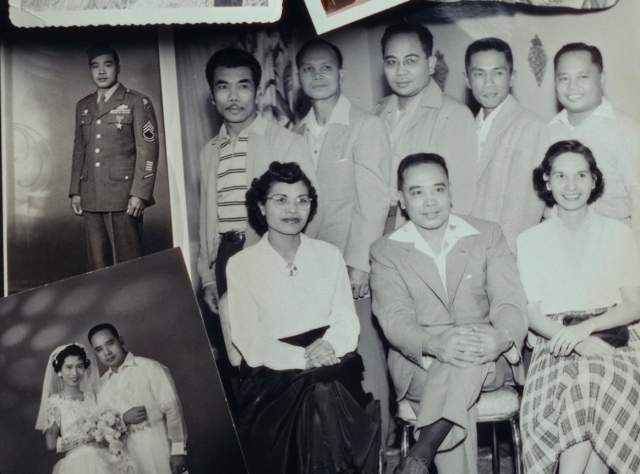
Photos Courtesy of Mana.Alaksa on Instagram, 2023.

Transformational leadership characterizes itself through ethical behavior that empowers diverse communities nationwide. It is something one would expect to innovate over time, especially within the cultural diaspora. Applying authentic leadership and a transformative nature encompasses nonprofit organizations that do not seek financial gain to achieve their goals, complete their projects, and deal with other situations. Integrating ethical leadership, morality, and authenticity can help communities grow (Bauch, 2006). When using the concept for the goals set forth, complexities become understanding to others. According to Northouse’s book on Leadership Theories (2022), “[conceptualizing] is the capacity that gives leaders the power to analyze a multitude of problems and solve them without any creative sacrifices in the process” (p. 261). Shayne Nuesca, M.S., is the subject of the following paper. A recent Syracuse University alumni, Shayne Nuesca, is a Content Strategist and one creator of the “Mana.Alaska” and “SPRHDRS” media collectives. Nuesca’s projects, such as “Mana, The History We Inherit,” are the first collection from the collective, bringing together past and present experiences of those with Filipino culture, particularly in Alaska. While Filipinos have settled in Alaska for some time, many of their stories are untold. As a natural storyteller, Nuesca found like-minded individuals to work as a team to tell stories through various mixed methods of oral stories, art, and photojournalism. This project started from the ground up in the past year and found success through communication and cultural community building. The goal was to target the Filipino diaspora in the Alaskan community and manage to reach other urban centers across the nation. It is excellent to learn from someone such as this regarding educational outreach in multiple literacy forms. Some characteristics of a leader, like Nuesca, are someone who passes down knowledge to others (Wang, 2016), including a “commitment to shared goals and being a visionary that takes the program to new heights; emotional intelligence, such as empathy and expert authority in teaching, also play a role in closing theoretical gaps in organizational practice” (Wang, 2016, p. 82). Like research skills, digital skills play one of the most vital roles in connecting to diverse audiences online in a meaningful capacity. This paper explores the topics of authenticity, ethics, and the connection to organizational culture in education. Nuesca’s framework, according to Northouse (2022), aligns with authentic leadership, involving servant, pragmatic, and theoretical approaches.

Leadership and Strategic Challenges of the Interview Situation

Much of it was on the groundwork when supplemented with digital platforms. It is clear from considering both Burns’s perspective on leadership roles and higher education perspective that ethical leadership embeds itself in the morality of a leader that impacts a follower; therefore, more work is necessary in terms of creating a leadership theory that passes down critical thinking to other incoming leaders (Northouse, 2022, p. 430; Bacon & Byfield, 2018; Burns, 1978). Due to systemic discrimination, hyper-urban and rural areas remain disconnected from other geographic locations (Carbajal, 2018). Authors found that many technological issues relate to the ability to access stable data for extended periods (Greene & Murphy, 2021). Therefore, innovators like Nuesca continue to innovate ways to bypass obstacles in front of her vision for creating a cultural community beyond borders. According to Northouse (2022), transformative and adaptive leadership align directly with diversity, equity, and inclusion, necessities within most structural systems. Although DEI is still a rapidly developing subject, it is necessary to create profound changes in a highly patriarchal and transactional culture that lacks the soft skills, compassion, and empathy to lead others through meaningful teamwork building.

“I think I got to a point where to be completely candid, I just got tired of working for people. In a way, it came to a point where it was like, what type of legacy does one want to leave behind?” Nuesca said in a virtual Zoom interview (2023). As someone whose resume includes the Alaskan state government and, most recently, an NPR news affiliate, she says that what primarily drives her is the ability to leave something behind in a “meaningful way, in a valuable way for my community” (S. Nuesca, Nov. 10, 2023). Open discourse in a particular field can make a huge difference, especially in communication. Communication is rooted in community; empathy and compassion for humanity go hand in hand with a humble, authentic leadership style. It is clear that organizational culture sets standards for behavior in employees that determine their leadership behavior; thus, a relationship between “authenticity, morality, and organizational cultures aligns accordingly” (Schein, 1985). Northouse found that authentic leadership differentiates into broader aspects of observation. One is called a pragmatic approach; the other is called a theoretic approach (2022). Nuesca kept both approaches in mind as she maneuvered a new field while using her journalism and leadership skills to create a collective free of toxic positivity.  

Assessment of Organizational and Strategic Dynamics of the Situation

Because of the fast-paced changes in almost every industry, many leaders and business owners had to pivot to continue making a positive community impact, regardless of ways of communication. What other leadership factors may be necessary to consider now for effective management? Like all the other news organizations she worked with over the past few years, that is like understanding user habits about Alaska newsreaders. There is a level of disinformation that we have to sift through. When misinformation or disinformation pops up, it spreads rapidly, and one must correct it quickly. However, it takes a lot of research, outreach, and understanding of user behaviors to be an exceptional leader. Empirical studies have shown that when educators matched servant leadership with followers who desired it, this type of leadership positively impacted performance and organizational citizenship behavior (Otero-Neira et al., 2016; Ozyilmaz & Cicek, 2015). An essential leadership and followership challenge to address is equity in accessibility. Digital literacy in leadership is far more prominent as a challenging skill rather than a soft skill. This essay aims to present a concise overview of the significant aspects of the interview on leadership conducted and to rely on critical thinking to verify the data against other research. Moral, relational transparency is all about openness to sharing one’s authentic self, actual thoughts and feelings, and internalized moral perspective (Northouse, 2022; Azanza et al., 2013). Furthermore, according to (Northouse, 2022), letting go of characteristics such as egoism, utilitarianism, and more is essential. It is imperative not to have a selfish mindset when taking on roles that pass down skills one has learned to others (Northouse, 2022, p. 427).

Specific Leadership-Focused Recommendations and Approaches

Consider the scenario below from a step-by-step management approach, such as a strategic “long-term” permanent solution versus a “resolution of immediacy.” Both servant and authentic leadership drive the influence of organizational culture. The relationship between flexible cultures and authenticity, honesty, and transparency relates to employees at an internal level that should be stimulating (Azanza, G., 2013). With the rise of new companies and their subsequent growth, it is evident that management will always be needed. Those who maintain a business find themselves in higher education first. Therefore, one should always want the right people in management, as the best leaders have the most productive followers who also turn into influential leaders. It cannot just be anybody, especially when passing lifelong knowledge to new generations. Strong managers possess significant critical thinking skills, and one of the best leadership theories to derive from is servant, authentic, and ethical leadership. Mumford’s (2000) competency criteria for a leader include skills essential for a positive workplace to sustain itself successfully.  There is more than one list of what translates to being a strong, competent leader (Mumford et al., 2000). That is why Nuesca (2023) focuses on audience engagement and community leadership as one concept. Conceptualizing in management refers to the servant leader’s thorough understanding of the organization’s purposes, complexities, and mission. “This capacity allows servant leaders to think through multifaceted problems, know if something is wrong, and address problems creatively per the organization’s overall goals” (Northouse, 2022, p. 261). Nuesca (2023) cites consistent, organic growth with remote communities in Alaska, which can have validity for other states needing digital and media literacy. Nuesca (2023) knows there is a way that you can communicate with people so that they do not feel shut down or isolated in those situations. 

“And I think the nice thing about Mana and SPRHDRS is that they are like a collective because they are a group of us. Thus, being more open to people’s ideas provides the space for that because it is a group working toward one thing. Thus, it was in a better space to kind of foster that.” Furthermore, it was unlike any time she spent as a follower in an organization. Nuesca’s success in community engagement and outreach is detailed, showcasing the strategic use of digital platforms and organic campaigns to expand the collective’s reach. Trust, interdependence, genuineness, empathy, risk, and success in leadership behavior are emphasized.

“Team-wise, it [Mana] started with three, and then we expanded to about 15. Furthermore, that is, on the content and events side of things. We had zero stories this time last year. Then we expanded that to about 30. Then, 17 made it to the museum. We had no expectations for our launch event. We thought that it would just be like us and maybe 50 people. We had 50 chairs, right? We have 50 chairs in that atrium, and 1500 people came,” Nuesca cited her first museum curation with the state as a success of servitude in leadership (2023). “So I think we could only get a sense of our reach, just like a small sense of our reach on digital. We had worked on some digital, like organic campaigns on Instagram, and Facebook and all of that” (S. Nuesca, 2023). Behavior associated with trust, interdependence, genuineness, empathy, risk, and success will lead to more beneficial and productive results. Being an effective leader requires knowing how to get things done. The collective gained unanimous support from the Filipino American National Historical Society, Alaska Chapter.

Executive Summation of Key Leadership and Related Factors

While their following on Instagram is modest, it is clear that only some things are about one’s number of followers. It takes a strong team with a strategic leader who knows what obstacles are ahead and how to solve them. For significant societal displacement impacting many communities, building a community is essential. “I think we only had 300 followers on Instagram before that weekend. And then our Facebook is laughable. The beginning was laughable. There were about 50 people who were interested in our content, but it ended up being that the word got out through the community. Also, folks are sharing our stuff without asking, so we did not account for that,” says Nuesca. Northouse (2022) allows followers to identify with something greater than they value. Followers became effective at accomplishing their jobs and fulfilling their job descriptions. “And I was adamant that we ended up on there, no matter where we were in the paper. That is another example of seeing things through and contributing to the common goal. And that was to get as many people as possible at the museum, whether 50 or 100 or 1500,” Nuesca said. “So I think supplementally, the digital stuff was just that, supplemental to our outreach. However, we used it to inform our decisions, like how we would approach folks, where we would post up, and what events we would do to promote the exhibit. So it was not like, yeah, it was not all for naught,” says Nuesca. “I had put out a press release. Two people replied, but another email went to the managing editor, and they finally listened. We sent this press release two weeks ago, but here is why the public would miss out if this does not get news coverage” (S. Nuesca, Nov. 10, 2023).

Conclusion

Servant leadership also affects the way organizational teams function. Furthermore, digital and online literacy are essential for leaders of the 21st century. Different leadership theories, such as servant leadership, require an ethical response, authenticity, transparency, and an open mind adaptable to daily challenges (Northouse, 2022). Nuesca cites word of mouth through the Filipino community and persistence that landed her collective a front page in the state newspaper. “I tend to be like a driver regarding leadership style. One needs to see things through. We [the collective] wanted it to be in the Anchorage Daily News because that is the paper of record for the state,” Nuesca said. Besides serving, Greenleaf (1970) states that a servant leader also has a social responsibility to care for the marginalized. According to Northouse (2022), transformative and adaptive leadership align directly with diversity, equity, and inclusion, which is necessary within the educational system. “We do not see ourselves as having one person in charge or one leader. So, it is a collective, which speaks to just cultural values like Filipino cultural values, as everything has to be done with a collective approach to the community goals. So that has driven us [Mana] the most,” Nuesca said. “Somebody flew up from California just to see this exhibit in the hallway in some museum in Anchorage, Alaska. This fact is a testament to just our team.” In becoming a servant leader, a leader uses less institutional power and control while shifting authority to those following the leadership (Graham, 1991).

In Mana, The History We Inherit, members of the collective share their past and current experiences with Filipino culture, particularly in Alaska. Despite Filipinos’ long presence in Alaska, many of their stories are untold. Nuesca brought together like-minded individuals to tell stories through oral stories, art, and photojournalism. Communication and community building started from scratch last year and were crucial to this project’s success. Despite their modest number of followers on Instagram, it is clear that only some things are about numbers. Inheriting stories in real-time to bring permanence to them through various art mediums is vital for Filipino communities as their elders are highly regarded for their learned knowledge over generations. In summary, servant leadership and community building interconnect in the context of cultural growth. By prioritizing service, empathy, and the development of individuals, servant leaders contribute to creating a connected web of a positive and inclusive community within an organization, fostering cultural growth and sustainability.

References

Azanza, G., Moriano, J. A., & Molero, F. (2013). Authentic leadership and organizational culture as drivers of employees’ job satisfaction. Revista De Psicología Del Trabajo y De Las Organizaciones, 29(2), 45–50. https://doi.org/10.5093/tr2013a7

Bacon, H. R., & Byfield, L. (2018). Theorizing Social Justice: Funds of Knowledge as Praxis. https://core.ac.uk/download/232775490.pdf

Bauch, P. (2006). “Reflective, Ethical, and Moral Constructs in Educational Leadership Preparation: Effects on Graduates’ Practices.” Journal of Educational Administration 44 (5): 487.

Beauchamp, T. L., & Bowie, N. E. (1988, January 1). Ethical theory and business by Tom L. Beauchamp. Open Library. https://openlibrary.org/books/OL2395733M/Ethical_theory_and_business 

Berkovich, I. (2014). “A Socio-Ecological Framework of Social Justice Leadership in Education.” Journal of Educational Administration 52 (3): 282.

Carbajal, Jose (2018). “Patriarchal Culture’s Influence on Women’s Leadership Ascendancy,” The Journal of Faith, Education, and Community: Vol. 2: Iss. 1, Article 1. Available at: https://scholarworks.sfasu.edu/jfec/vol2/iss1/1

Burns, J. M. (1978). Leadership. Harper and Row. 

Gini, A. (1997). Moral leadership: An overview – JSTOR. Moral Leadership. https://www.jstor.org/stable/25072897 

Gentry, H. (2016). A Structure for Utilizing Multicultural Principles to Strengthen the Servant Leadership Approach. https://core.ac.uk/download/235396879.pdf

Graham, J. W. (1991). Servant leadership in organizations: Inspirational and moral.

Leadership Quarterly, 2, 105-119.

Greenleaf, R. K. (1970). The servant as leader. Westfield, IN: Greenleaf Center for Servant Leadership.

Heifetz, R. (2021, June). Leadership: The Adaptive Framework – Tij Forum. TIJ FORUM. https://tijforum.org/wp-content/uploads/2021/06/Leadership-The-Adaptive-Framework.March-2021.pdf 

Ljungholm, D. (2016). Effective Servant Leadership Behavior In Organizations. Linguistic and Philosophical Investigations, 15(), 239-245.

Mumford, M. D., Zaccaro, S. J., Harding, F. D., Jacobs, T. O., & Fleishman, E. A. (2000). Leadership skills for a changing world: Solving complex social problems. The Leadership Quarterly, 11(1), 11–35. https://doi.org/10.1016/S1048-9843(99)00041-7

Northouse, P. G. (2022). Leadership: Theory and Practice (9th Edition). SAGE Publications, Inc. (US). https://reader2.yuzu.com/books/9781071834473

Otero-Neira, C., Varela-Neira, C. and Bande, B. (2016). “Supervisory servant leadership and employee’s work role performance: A multilevel mediation model,” Leadership & Organization Development Journal, Vol. 37 No. 7, pp. 860–881. https://doi-org.links.franklin.edu/10.1108/LODJ-11-2014-0230

Ozyilmaz, A., & Cicek, S. (2015). How does servant leadership affect employee attitudes, behaviors, and psychological climates in for-profit organizations? Journal of Management & Organization, 21(3), 263–290. doi:10.1017/jmo.2014.80

Reed, B., Klutts, A., & Mattingly II, T. (2019). A Systematic Review of Leadership Definitions, Competencies, and Assessment Methods in Pharmacy Education. American Journal of Pharmaceutical Education, 83(9), 7520–7532.

Schein, E. H. (1985). Organizational culture and leadership, by Edgar H. Schein. san … – JSTOR. JSTOR. Retrieved February 26, 2023, from https://www.jstor.org/stable/258322

Wang, V. C. X., Bain, B., Hope, J., & Hansman, C. (2017). Educational leadership and organizational management: Linking theories to practice. Information Age Publishing. ISBN: 9781681235134.

Kehan Xiong, Weipeng Lin, Jenny C. Li, & Lei Wang. (2016). Employee Trust in Supervisors and Affective Commitment: The Moderating Role of Authentic Leadership. Psychological Reports, 118(3), 829–848. https://doi-org.links.franklin.edu/10.1177/0033294116644370