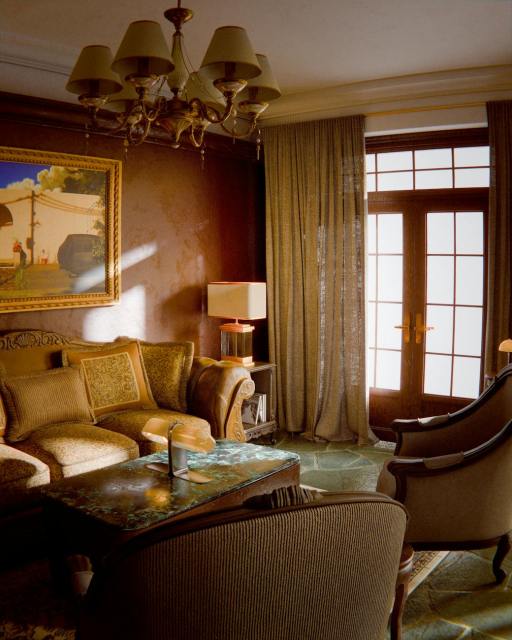
Last year, I got to stay in the coolest Airbnb. It was a small, cozy cabin––sitting near a zoo, a quaint town, and a vast lake. That staycation has stayed with me well for the past year. It’s the inspiration for this post.


Welcoming overnight guests doesn’t require a guest suite or a redesign. Even when hosting in a small home or apartment, thoughtful preparation can create a cozy, relaxed space that truly feels like a retreat for your guests. A warm, inviting space isn’t about square footage. It’s about intention.

Simple touches can go a long way in a small home or an apartment. You can make guests feel welcome, relaxed, and genuinely cared for, without overextending yourself or your space, with a bit of prep and a thoughtful mindset.


1. Set the Stage: Prep the Guest Space with Comfort in Mind

You don’t need a dedicated guest room to create a cozy overnight setup. It’s about making what you do have feel intentional.

  • Simplify the basics: Clean sheets, a cozy blanket, and a pillow—even on a sofa or air mattress—go a long way. Experts recommend selecting an extra-tall air mattress (approximately 20 inches) to replicate a traditional bed and facilitate easier access (Food52) and (NY Mag).
  • Create a drop zone: A cleared chair, luggage rack, or wall hook gives guests a spot for bags and clothes. These small gestures offer a meaningful welcome (A Life Unfolding).
  • Lighting and privacy: Even battery-operated bedside lighting or lamps help make unfamiliar spaces feel safer and cozy (Tiny Canal Cottage).
  • Thoughtful extras: A water carafe, phone charger, or handwritten note adds personal warmth. (Into the Gloss) and (Tiny Canal Cottage)

2. Hosting in Small Homes and Apartments

With space at a premium, creativity and flexibility are key.

  • Multi-purpose furniture: Consider sofa sleepers, daybeds, trundles, or futons, because they maximize utility without sacrificing comfort  (Rent-A-Center Blog) and (NY Mag)
  • Functional living areas: Shared spaces can be transformed with foldable beds or cushions. Using rugs or screens helps define guest zones  (Food52) and (NY Mag).
  • Quick tidy-ups: Rather than deep-cleaning the entire home, focus on shared areas; declutter just what’s visible, which helps guests feel welcome (Rose Lounsbury).
  • Declutter smartly: Leave open drawer or hanger space so guests can unpack, and reduce clutter for a more organized, accessible environment (Worthing Court) and (Rose Lounsbury).

3. Stock the Bathroom with Essentials

You don’t need a spa to entertain. Thoughtful basics are more than enough.

  • Clean linens and toiletries: Provide towels, soap, shampoo, toothpaste, and extras like lotion, Q-tips, or disposable razors (Worthing Court) and (Southern Living).
  • Clear communication: Avoid awkward moments by ensuring there’s a plunger or spare toilet paper on hand (Into the Gloss).

4. Keep Mornings Simple and Self-Serve

Self-service eases stress for both host and guest.

  • Breakfast basics: Set out coffee, tea, and grab-and-go snacks like granola bars, fruit, or yogurt. Also, make fridge items clearly labeled “help yourself.” This autonomy helps guests start their day comfortably (The Crowned Goat) and (Southern Living).
  • Snacks and beverages: A small basket with healthy snacks or flavored water enhances convenience and hospitality (The Crowned Goat) and (Rent-A-Center Blog).

5. Communicate the Unspoken Rules

Clear, casual communication goes a long way.

  • Detail essentials: Share Wi-Fi info, where to find key items, and home quirks (e.g., sticky faucet). A framed sign or friendly text works well  (Wit & Delight).
  • Clutter-conscious hosting: Clear seating surfaces and pathways; this subtle consideration helps guests feel immediately relaxed (The Expert Beginner).

6. Build in Space, Together, and Apart

Balance connection with boundaries.

  • Offer shared time, like a meal, a walk, or a movie, but also emphasize they’re welcome to relax independently. This respect for personal space fosters comfort and goodwill.

7. When Guests Stay Longer

More extended stays may require extra structure.

  • Shared routines: Establish quiet times, optional shared chores, and boundaries for your own work or rest periods.
  • Communicate gently: A kind heads-up about expectations ensures everyone’s comfort through more extended visits.

8. The Finishing Touch: Small Gestures, Big Impact

It’s often the tiniest touches that linger.

  • Vintage etiquette, modern warmth: Even small traditions—like a handwritten thank-you note, a vase of flowers, or sitting with guests in a cozy setting—drove hospitality in the past, and they still resonate today  (Better Homes & Gardens) and (Good Housekeeping).
  • Make the entry inviting: A clear, inviting entryway sets the tone. Good lighting, space to sit, and scent can all help guests feel welcomed before they even step inside (Better Homes & Gardens) and (Southern Living).

Final Note:

Hospitality isn’t measured in square feet. It’s crafted through intention. Your care and preparation count. From clearing a chair for luggage to leaving a thoughtful note, these small preparations make guests feel not just welcomed, but genuinely at home.

Repotting plants this morning has me thinking about the work of crafting a story. Two were propagated, and two were replanted. That means new stories were created through tiny green succulent leaves, while others started a new chapter, in a new home, rising slowly from a drastic cliffhanger.

One has root rot, so I had to take special care to cut off the dead roots without damaging the structure. It reminded me of combing through something I wrote early in the morning, and finding parts to fix. Brushing off old soil is like cleaning and tightening up the story.

When you move a plant to new soil, you’re creating a new space for growth. Roots need room to breathe, nutrients to feed on, and a rosy foundation that supports them through seasons.

Writing (and editing) is the same. A narrative might already exist. However, to truly bring impact, it often needs fresh soil. Structure, clarity, and a stronger frame to hold the weight of ideas are what usually make a story pop.

Sometimes that means trimming back; other times, it means adding in what was missing. Both require patience, strength, and resilience to grow.

Putting on makeup feels far more tedious than writing. I enjoy it. Unfortunately, I’m not especially good at it. It remains a hobby, more than a craft. Still, makeup is a lot like writing a story. It moves in chapters, with parts that blend into one another through quiet transitions.

Think about every layer of mascara like the climax of a book you can’t seem to put down or look away from. The lipliner and lipstick are the takeaway, wrapping up a story so seamlessly.

Makeup tells stories, too. Some passages are cursive, delicate, and flowing; others are written in dark ink, bold and confident. There’s a dichotomy between fountain pens and ballpoint pens, like the contrast between eyeliner and lipstick, which holds the story structure together. Then there are the bright colors behind eyeshadow—the kind that make the eyes pop like exclamation points on a page.

Blush is like an adjective, and bronzer is the adverb supporting the text with grace.

I have so much respect for the meticulous women who shape their faces as if each brushstroke were an extension of themselves. They create narratives with color and precision, crafting a beauty I can only admire from the periphery.

Written in 2023, expanded in 2025

Being a leader in education doesn’t often come with a personal handbook. Or if it does, it’s outdated; ill-equipped for the complexities of 21st-century classrooms and communities. As we continue to confront widening disparities in educational access, especially in the wake of the COVID-19 pandemic, one truth becomes clear: effective leadership isn’t just about policies or protocols. It’s about people, and the ability to lead with empathy, community, and transformation in mind.


Leadership in the Age of Digital Learning

The pandemic redefined what it means to teach and learn. As online learning became the norm, issues like internet accessibility rose to the surface, especially in rural and low-income areas where connectivity is often limited or unreliable. But beyond technology gaps, we also saw cracks in leadership communication, especially between administrators and educators.

Outdated systems, hierarchical thinking, and transactional leadership styles have created barriers that make it difficult for teachers and students to advocate for their needs. These gaps in communication are more than logistical—they’re structural. They reflect a need for new leadership paradigms that meet today’s challenges with empathy, collaboration, and innovation.


Instructional Leadership and the 21st Century Classroom

In a 1999 study of over 800 U.S. teachers, researchers found that educators’ expectations of leadership often clashed with the realities of administration. More recently, the Journal of Organizational and Educational Leadership reaffirmed the belief that school outcomes are closely tied to leadership effectiveness. The takeaway? Instructional leadership must go hand-in-hand with technological transformation and digital literacy.

Teachers need leaders who do more than manage: they need leaders who listen, collaborate, and help create space for professional reflection and growth. These are the hallmarks of transformational leadership, as opposed to transactional leadership, which focuses more on compliance, control, and routine.


Transformational vs. Servant Leadership: A Needed Blend

According to Hu & Linden (2011), transformational leadership builds confidence and work advocacy, but it’s servant leadership—with its focus on selflessness and empathy—that enhances both satisfaction and effectiveness in teams. When combined, these leadership approaches foster a culture of trust, transparency, and empowerment across all levels of education.

As Peter G. Northouse (2021) notes, leadership rooted in empathy and community connection is essential for long-term cultural change. It empowers teachers, administrative staff, and students, particularly those from marginalized backgrounds, who go on to shape the American workforce.


Creating Lifelong Learners and Leaders

Leadership in education isn’t just about student test scores or teacher evaluations. It’s about nurturing lifelong skills like digital literacy, critical thinking, and emotional intelligence. And it’s about ensuring every stakeholder, especially those in underserved communities, has equitable access to the tools and support they need to succeed.

The literature shows a clear need for stronger communication between principals and teachers. When leaders and educators collaborate toward shared goals of inclusivity and equity, they create ripple effects that extend far beyond the classroom.


DEI and the Need for Cultural Change

Diversity, equity, and inclusion (DEI) aren’t just buzzwords. They’re essential frameworks for reshaping a system that has historically privileged transactional over transformative leadership.

Transformative, adaptive leadership aligned with DEI principles is especially urgent in a post-pandemic world where disparity gaps have widened. While DEI work remains underdeveloped in many educational settings, it offers a path forward; one grounded in soft skills, compassion, and the recognition that authentic leadership starts with human connection.


Final Thoughts

To move toward a more inclusive and effective educational system, we need more than curriculum updates or policy changes. We need leaders who understand that communication, empathy, and community are the foundations of success, not just for students, but for educators and administrators alike.

As we reevaluate the leadership values necessary for the future, one thing is clear: no relationship in education can remain purely transactional. Leadership must mean something. And it must start with listening.

In 2019, I bought my first domain. It wasn’t for my business, a brand, or even a blog that was ready for the world. I just knew I needed a space that was mine. I needed a blank slate that I could shape entirely on my own terms.

I already had a marketing portfolio. But this was different. It was a place to process, to reflect, to write what I wanted without worrying about SEO or structure—a place to yell into the void. Once upon a time, over 1,000 people followed my Tumblr for the same reason. Not a lot, but enough to feel like someone was listening. Maybe even helped by something I wrote, and I wouldn’t have known.

At the time, I was juggling freelance gigs, grad school, and the sense that I wasn’t doing enough. Not successful enough. Not published enough. Contracts were ending, my confidence was shot, and I felt like I was treading scalding hot water. But I could still build this tiny digital corner where I could show up without needing permission. Just me, my writing, and whatever I was working through.

That website has quietly housed a vast collection of writing samples, portfolio pages, late-night freewrites, and a substantial number of drafts that never saw the light of day. I was able to write through a divorce that almost derailed my career. I ultimately completed my master’s degree in Journalism Innovation during one of the most challenging periods of my life. 

Sometimes, I feel like you can hear my heart beating through the words I’ve written there. I don’t know how to do anything else but write, which, honestly, weirds people out that I feel that way. I’m not a math person. What can I say?

Sometimes my mom asks why I still pay to keep my website up. And the answer never changes: because it matters to me. Because even when I’ve felt lost, that site has been a quiet promise to keep going. A digital piece of myself, reminding me I’m still here, still writing, and still building.

And lately, the views have started stacking up again. In the past week alone, I’ve seen a 125% increase in traffic and a 179% jump in visitors.

Maybe that’s not much in the grand scheme of things.

But it’s something.

It’s mine.

Written in 2025

It’s been a while since I’ve done a free write.

So, here I am. Just sitting with my thoughts. Feeling okay. Not great, not awful. Just okay.

Lately, I’ve found myself ruminating. About everything and nothing at the same time. The paradox of politics has been especially loud in my head. We live in a moment where standing for something should matter more than ever, and yet we’re watching people fall for anything.

The divide between left and right feels enormous, but maybe we’re looking in the wrong direction. Perhaps it’s not about the dichotomy between what’s left or right. There has to be something else.

I look over at the book I’ve been reading, Pedagogy of the Oppressed by Paulo Freire. Suddenly, the thought bubble is taken over by the little speck of light you see when you’re floating to the bottom of the sea. Small, but bright.

Maybe we should be looking up and down.

Because let’s be honest: we’re not on the up and up.


The Weight We Carry

Photo by Ahsanjaya on Pexels.com

Many millennials—often burdened by debt, high rent, and economic instability—are living in multigenerational households. As of 2021, approximately 18% of millennials (ages 27–42) were living with their parents or other older relatives (Pew Research Center).

Millennials have lived through wars, pandemics, and now the normalization of fascist rhetoric in American public life. From 9/11 to Iraq and Afghanistan, to COVID-19, to the destabilizing effects of misinformation and mass surveillance, we’ve been through it. And now Gen Z is dealing with it too. And so will Gen Alpha, which is a shame.

Photo by Anna Shvets on Pexels.com

Coming together still feels like a dream. But dreams don’t happen unless we make moves. And the community needs to hit the ground running. We’re all going to have to pick up the slack.

Time does not stop for anyone.


Idiocracy, In Real Time

Photo Courtesy of The Guardian

I finally watched Idiocracy the other day. It’s satire. But barely. It’s a little scary how books and movies help us make sense of our present day.

In the U.S., most adults read at a 7th to 8th-grade level, according to the National Center for Education Statistics (NCES). Post-pandemic studies have shown a decline in literacy, particularly among young people.

This is why my son has a “banned books” shelf, for all stages of his life. I am afraid that this type of information might slip through his tiny hands if I don’t provide it. So I will. I will teach him. The most radical thing I can do, as a parent, is teach my son what the schools will not.

Knowledge is the last vestige of reality. We’re watching it slip through our phone screens. Anti-intellectualism, algorithm-driven thinking, and an overreliance on AI-generated content have reshaped how we think, what we value, and how we interact. Like Baudrillard predicted, we’ve become a nation of simulations.

We’re watching the downfall of the United States in real time.

And it’s not some abstract future. It’s now.

This is literally something that no amount of therapy, medication, or Love Island could fix, due to economic instability like this. Our stock market is inflated, and the tariffs we will and already are paying will not help.

And then there’s still half of America that doesn’t realize that. Still.


What We Need: Community, Care, and Clarity

However, there is hope.

Creator: Jae Hong | Credit: AP

Copyright: Copyright 2025 The Associated Press. All rights reserved

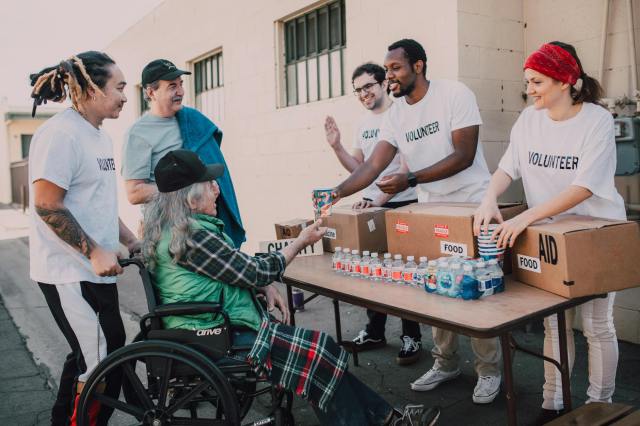
In California, we’ve seen mutual aid in action—from organizing during ICE operations to recovering from catastrophic wildfires. In July 2024, reports of targeted ICE activity in Los Angeles renewed the urgency around community defense, and the response was swift: neighbors supported one another. Legal aid groups mobilized. Volunteers stepped in.

We’re more than just voters. We’re protectors of the community. There may be a drastic digital divide that the wealthy abhorrently take advantage of — and people are starting to see it.

This isn’t just about left or right.

It’s about transcending fascism. About resisting late-stage capitalism. About caring for one another in a system that’s tried everything to convince us that care is a weakness. It’s about a community of care.

It’s about grassroots organizing, building community resilience, and mitigating misinformation. It’s about refusing to back down even when things feel impossible.


The population is waking up and putting their foot down. Enough is enough.

There’s still time to enact a call to action.

There’s still time to make a change.

Photo by alleksana on Pexels.com

Say bye to the problematic personalized news feature.

For the average consumer, it will be considered a win for privacy. Today, the company silently turned off their “Personal News” feature on their Google Assistant. 

The end of another Google AI-based program impacts the Android community and Google product users at home. While a standard news feature remains on the Google Nest Mini (6:30 on a Friday), there’s no reasoning behind why it’s gone, according to a report from The Verge. As far as consumers go, many are left to wonder what’s next for the tech giant.

Google’s met their fair share of concern over privacy–or lack thereof–regarding their AI projects. On top of security concerns, there’s also the concern about not controlling your news feed. There’s the concern of fake news hitting the airwaves.

And through it all, top media organizations continue to create short headlines for Google. Some outlets abandoned the route entirely–while engagement through audio remains the oldest living mode of communication.

Forty-one percent of Americans are listening to regular podcasts, a study with Pew Research Center found. Another 83 percent of the public listens to traditional radio. 

An algorithm isn’t currently capable of producing audio-rich news for a large audience demographic. Since the need for audio production is still growing in the digital sector, maybe Google will introduce something new. 

We are finally saying goodbye to a nosy, algorithmic news option that has operated since 2019. Soon, another algorithm will take its place. The goal? To better serve their audience.

Taken during the 2017 Point In Time Count outside of Downtown Fullerton.

By Ashlyn Ramirez

Fullerton Mayor Bruce Whitaker tries to walk a fine line on the city’s housing crisis. He acknowledges the growing problem of homelessness but then throws up his hands and says he’s powerless to do anything about it. 

“I think it’s very important that people can find adequate living space without consuming their entire incomes,” Whitaker told the Daily Titan, the student newspaper at California State University, Fullerton. But he was quick to add in the 2017 interview that “the government itself is part of the culprit of driving prices up.” 

The city of Fullerton still accepts state and federal money to provide affordable housing. Since that 2017 interview, the city has received millions of dollars towards various ventures to clean up the streets.

Orange County also recently received $5,764,931 in federal funding for homeless assistance. It’s not clear where all of the money goes while a strained community struggles to make ends meet.

Somehow, millions of dollars turn into only 145 new units since 2017, with 45 still in construction. The New Vista Shelter consists of eight homes for transitional youth ages 18-24. Yet, Fullerton accounts for almost 1,500 unsheltered individuals alone, and Orange County as a whole saw a 43 percent rise in homelessness since then.

The problem could be even worse as the reports do not factor in people living out of their cars or “couch surfing.” In Orange County, the backdrop for the crisis is one of the nation’s wealthiest communities, a landed aristocracy served by teachers, nurses, and shopkeepers who can’t afford what passes for affordable housing in the county.

Throw in demand created by Cal State Fullerton and its working-class student body, and the magnitude of the problem starts to take shape. How made is it? The title of the American Civil Liberties Union 2019 report on Orange County — “This Place is Killing Me” — says it all.

Local government must address the humanitarian crisis presented by homelessness through permanent and affordable housing, the ACLU report concludes. 

The ACLU found the county can house their homeless but will not due to lack of political will. On top of that, the report found living conditions in affordable housing are just as bad–if not worse–than sleeping on the street. 

CSUF graduate student Christopher Rael, 33, said he was short on tuition one semester at community college during the 2008 recession. He saved money for school, and life happened. The money was gone to a cause. There was no one to fall back on. 

“For example, when I was sleeping in my car, I did have a job at the time. So that huge misconception about pulling yourself up by your bootstraps? I was doing that,” said Rael. But he was only getting 6 hours per week. And it’s hard to live off $80 weekly in any part of California, even over a decade ago.

Rael said his parents weren’t “equipped” to support an adult in college. So, he found himself sleeping in his car. Telling anyone his situation was not an option. Sometimes, you have to pay for tuition or pay for a roof over your head. 

When at a financial aid meeting to understand the metrics behind FAFSA’s Expected Family Contribution, Rael said, “I explained that I could show that I’m literally homeless. I could walk you out to my car right now, where all my stuff is in my back seat. And he [the worker] looked me square in the face, and I’ll never forget his words.”

The worker told Rael that he could lie to him [about being homeless], and it wasn’t a risk that he was willing to take. But another worker, a Havard-trained psychologist, was able to secure financial assistance for him. 

CSUF has one of the highest cases of housing and food insecurities in the state system, according to a 2018 report. Out of 23 schools, CSUF is also the least-funded public university in the entire CSU system. 

The price of living there simply does not fit the mold of a budget college experience.

In 2016, City Council-member Jennifer Fitzgerald spoke about wanting to steer CSUF away from its commuter school status. She also spoke about her efforts to end homelessness in Fullerton. “I’ve worked really hard over the last four years on ending homelessness in our community,” Fitzgerald said. 

She said she wanted to “expand affordable housing for students.” It’s been almost five years since then. It’s been ten years since Fullerton knew about their ten-year-plan to eradicate homelessness.

Fullerton does not want affordable, permanent housing or shelters near the university. Unless it’s volunteer work that they can leave when done with their good deed for the day. Why? Because the university does not fall under a designated geographic location required to have affordable housing there. 

With almost 20 percent of unsheltered individuals living out of their car in the past year, there’s no doubt there are college students who can’t afford a place or a commute.

Addressing an underrepresented community

According to a county report, the average median income for a Fullerton resident is $80,000. That’s almost 60 percent more than the average American, who makes about $47,216 a year. 

Relying on a median income to address affordable housing issues drives out locals, single families, educators, and college students alike, said Fullerton Personnel Commissioner and Climate Action Campaign Advocate Jose Trinidad Castaneda, 29.

Castaneda, a Fullerton resident and public servant is also a full-time board member of Abundant Housing in Los Angeles, an organization focused on promoting affordable housing. He monitors 17 city council meetings virtually during his current workweek. Having served as a translator for five years, Castaneda’s interest in the lack of affordable housing began out of necessity.

“My housing story began when I was looking for housing myself, and I found that nothing was affordable,” he said. So in 2018, Castaneda began organizing to get accessory dwelling units approved and drop the fees bound to them–just one way to combat the lack of affordable housing statewide.

Whitaker was not available for comment at the time of this publication. Fullerton City Councilmember Fitzgerald was also not available for comment when reached out on LinkedIn and email. Fullerton City Councilmember Jesus Silva replied with a thumbs up on LinkedIn with no further analysis.

Moving forward by acknowledging the past and present

The lack of comment years later is telling of a hidden narrative. It’s too little, too late for many to call any part of Fullerton their home unless you’re white, white-passing, or financially stable. 

“The city is segregated,” Castaneda said. “It’s economically, financially, and racially segregated.”

By 2019, ACLU SoCal found violations in the housing that Orange County offers–including abuse, harassment, neglect, and lack of cleanliness. And just like in 2016, reports existed to guide officials towards ending homelessness.

Part of the problem is policies impacting those with mental health or substance abuse issues, keeping them from the help they need. Castaneda believes that there are not enough types of housing units geared towards very low-income residents.

“I think the police and sheriff are just acting according to the councils’ will. And city councils and elected leaders have done everything to tell themselves and tell their constituents that doing anything to help solve homelessness or help people in need is only going to attract more homeless people,” said Castaneda. 

When it comes to Whitaker, Castaneda says he doesn’t even listen to him anymore. He does not find him a credible source.

No accountability remains commonplace amongst local officials.

A 2016 Fullerton Housing Authority reported that those in charge of reaching yearly goals for projects like multi-family rental housing and low-income housing loans failed to do so. Almost a million dollars went towards extremely low-income renters in only one fiscal year. 

Other years there was nothing spent at all. 

Lack of oversight happened because of the minimal amount of housing units subsidized by donors. Therefore, there’s no track of specific rent-controlled projects and the demographics of people who need them. 

Another public document found almost $100,000 spent solely on monitoring/policing expenditures and about $2,700 in relocation in the 2018-2019 fiscal year. The same year, the ACLU published their piece on Orange County’s negligent emergency shelters.

If a one-way bus ticket costs $4 for an adult, that money will send at least 675 unsheltered out of the city that maybe could not go into a shelter. 

The most common story told by residents is one of the voices falling upon deaf ears. Fullerton’s government spent money allocated for homeless assistance on one-way bus tickets before, said Castaneda. 

A beacon of ocean waves and sunny skies is where the lost get sent across counties and institutions, culminating into other pits of gentrification.

While Rael finishes his M.A., he teaches underprivileged communities in Long Beach. Over the years, he’s created school programs that give back to those on Skid Row. He believes adding sociology classes into the high school curriculum and taking police officers out of schools is a start to combating poverty’s stigmas young. 

Until the pandemic ends, though, Rael plans on staying put for the safety of his students. So, there are other ways he gives back to a community that he was a part of not long ago.

“I don’t put it on the Internet. But every day, when I walk to the coffee shop, I come out with donuts. They’re not just for me. You know what I mean; people are sleeping outside that can use breakfast. You know it’s a little bit like that that makes a major difference,” he said.

Even digital media nine years ago can be showcased on WordPress for those on a computer or those using a phone. Just like that, a picture can travel from a blog across the entire social media spectrum. The Brooklyn Bridge in New York City. Photography by me.

Based on your experience with WordPress, what are your impressions with working with WordPress—the pros and cons? It started as a blogging platform but has evolved—should it still be relegated for small blogs, or do you see enterprise use? Are there any blogs that you regularly follow? Pick one and critique it. Why do you like this blog? What is it about the content that makes you go back? How about the design/layout?

I learned the ins-and-outs of an almost daily student news publication during my time at Cal State Fullerton. I was on the editorial staff. Little did I know that an entire digital media spread was humanly possible to transfer from print to the web through a sole content management system.

It’s not effortless. It’s tedious. But the reach and possibilities that stem from WordPress are too immaculate to touch.

Any beginner can develop a website through this platform and become a business owner or a blogger. Or both. The management after is fairly seamless.

But friendly to everyone? Maybe not totally. That’s why there’s experts in WordPress though. We have to make money somehow.

The fact that every individual starts off with the same edit screen no matter what widgets they download makes it so that as a writer, I can easily take the skills and ideas put into another client’s website and repurpose it until my fingers fall off.

It’s like how these TikTok ferret videos of the SAME ferret keep appearing everywhere. Once it’s on the internet, it’s forever right?

Just like that, there’s a Tweet embedding into my blog post with the act of a copy-and-paste of a URL link. WordPress is teachable to a novice wanting to learn. Fixable when altering is needed. And it’s mobile-friendly with their own simple iPhone application. From blogs to media publications and even e-commerce websites, WordPress can do it all.

I feel like WordPress is the top of the list like how Adobe Premiere Pro is more well-known than Final Cut Pro. You’re paying for both the name and the goodies that come with it. This also low-key means that paying for good service prevails for a permanent revenue stream.

Even the crappiest, most mundane business can make money if they have the literacy or hire someone that harbors that capability.

With WordPress you can monetize in more than one way and expand it through sharing. But you have to know how to make all of that happen too… which is why using different tiers of paid WordPress services work for all business backgrounds.

WordPress propels small business consumerism to large markets. Think of it as like, going viral.

Downside? Those less skilled in the digital realm that lack those really good widgets are going to have some really boring pages. In the end, it’s about making minimalism pop. And WordPress captures that essence.

If you know how to work WordPress, you’ll embolden your chances of maintaining the type of clientele who doesn’t want to take the time to pick up a website and the subsequent blogging that comes along with it.

I know it’s going to sound crazy but I’m not big on following bloggers right now. I used to be huge on following artists on another platform we all know as Tumblr. It was mainly for the aesthetic and being able to talk through pictures. Sometimes, pictures being worth more than a thousand words is way better than actually having a thousand words to sift through.

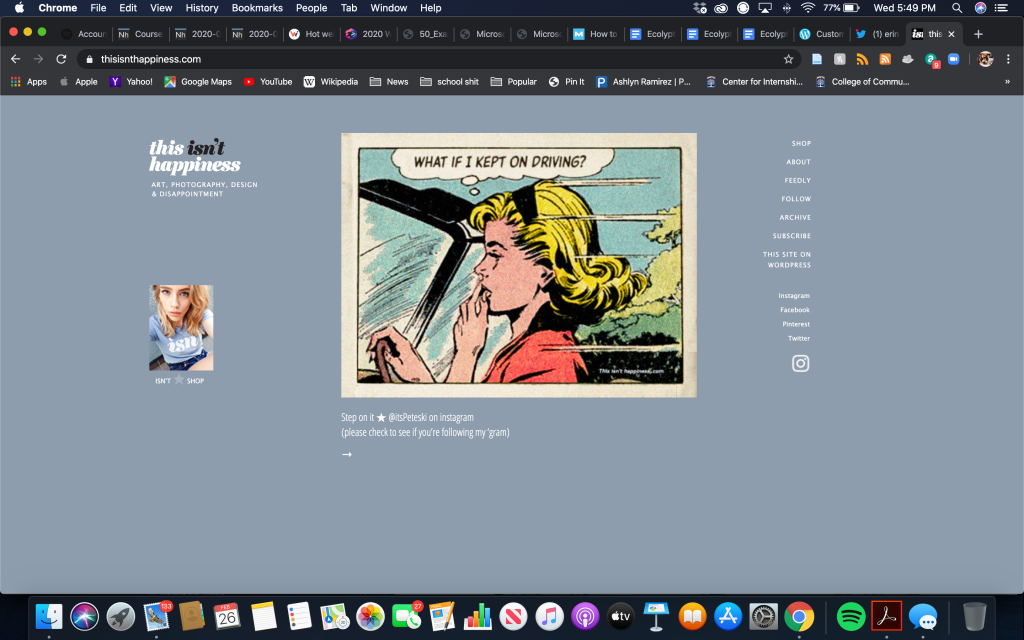
For example, look at the blogger on Tumblr known as user ‘thisisnthappiness’:

A theme is consistently followed that draws people in that focuses heavily on the visual aspect. In short it’s all about showing, not exactly telling.

Their blog is on Tumblr, has its own separate domain and is transferred to WordPress. That means the reach as an artist online is subsequently global. For example, this blogger has been around long enough to maintain these platforms and even open up an e-commerce section to make money off of instead of advertisements.

The fact that simplicity can tell a story is something that consumers vie for when consuming content online is very telling. With the options that WordPress offers to their users, it’s clear that their model is pertinent to content creation in the future.

Classes like this one have taught me a handful of useful tidbits for the future. I feel like this blog has also helped me express my feelings, opinions and what not to the best of my ability. All while getting to drop facts in between.

I’ve got a glorified diary. I plan on using it as much as I can.

I have to pre-write to write.

It’s insane how all of the topics discussed over the term are things I’ve already recognized in real life but never knew the proper terminology for. I’m so excited to continue learning.

As someone who suffers from massive anxiety to the point where I can’t check my email or grades, being able to free-flow while weaving in my understanding of class topics helps me truly get the stuff that I’m reading and watching.

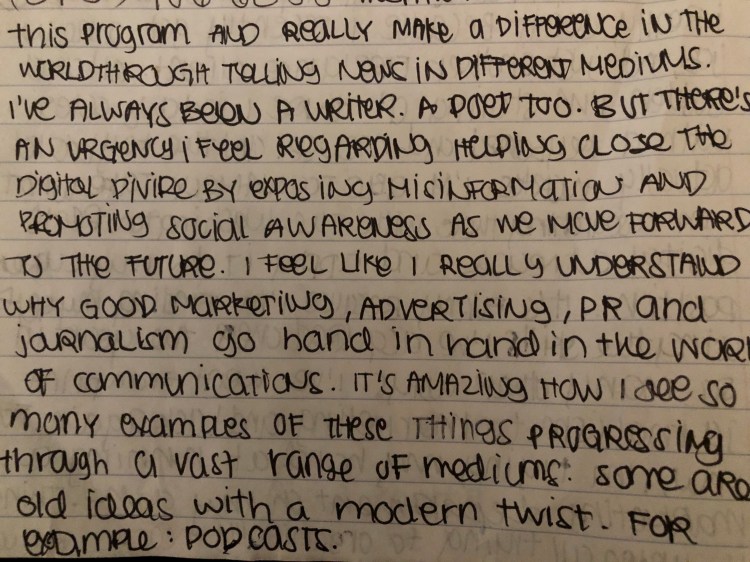
I guess this is essentially the tip of the iceberg with the beginning of my graduate school career. I’m over here, hand writing my last blogs for this class while thinking about my finals. Stressing. Multimedia for one and a case study for another.

The thing that I’ve truly enjoyed about this course though is the way I can now analyze and tie in the importance of digital/media convergence. I can especially see it because I recently got a new job-which at the time of typing this bit I am probably going to never go back-and I happened to be in an office setting instead of being at home.

Totally new to me. Even this program is. But I do enjoy being able to still feel like I’m in a classroom learning, instead of trying to teach something myself with very little to no direction.

So last week, all of a sudden I was staring at three computer screens. Holy second screen experience! And a keyboard and a mouse that work! I’ve been working from a broken laptop for almost a year! This is nuts!

I was able to take what I’ve learned in journalism from my undergrad and what I’ve learned about journalism innovation at my short time at Syracuse and really do a lot of work in a short amount of time. It took me 57 hours, but I got them set up with social media posts across six platforms until the end of March.

It was easily enough work to earn a grand. Turns out they thought it was worth half of that. All of this work I put into this company to make them look good and it kind of wasn’t worth the effort.

Honestly though the fact that this client thought that it was okay to pay me California minimum wage is really the result of the lack of media literacy in the country. It’s super simple to look up the average wage of a social media manager in the United States.

Add in a copy editor and marketing/personal assistant to the mix and the costs add up. I digress, though.

I’m over here incredibly upset that I’m late on my work at a super crucial time but at the same time I’m grateful that the little bit I’ve taken from this program I’ve already learned how to use to further my career path.

And I got to really experience a true multi-screen experience for a little bit that I wouldn’t have before. Even if the client was lackluster, Syracuse got me there and helped me see my worth.

There’s always people that need someone to write and edit for them. Until then I’m going to write my little heart out on this blog and hope that it provides context into myself as a person.

I’ve seen what places like Vox and the Washington Post have done for journalism. I’m writing about the Washington Post for my case study. Those are things that can be applied to basically every aspect of communications. I’m constantly intrigued with the versatile manner that journalism fits within this broad industry.

However with the way things keep changing, it’s crucial to continue to revamp and rebrand the communications industry as a whole. Especially the media, both new and old.

I can’t express enough how amazing it is to take these skills that I’ve honed over the years and use them to better something else.

Considering how my alma matter is potentially shutting down the newspaper that I gained all of these skills from as a writer, I feel like the best way I can combat the reality of a dying newspaper by furthering my knowledge in multimedia. Period.

News needs to be told. We just have to understand the obstacles that we are dealt with.

Being able to connect to consumers is the best way to continue to close the digital divide. Now we just need WiFi accessible to everyone. I hope to see that in the near future. Everyone should have the opportunity to have access to a virtual library.

Without access to simple things like blogging, student journalism and student-ran communications groups across the nation, we will never be able to dominate in the media literacy field.

I want to see a day where being a digital era journalist is considered just as important as any STEM major. I don’t think people understand how much goes into becoming an expert on a topic, hunting down verifiable sources and putting together a package that works across a multitude of platforms.

Being a watchdog is hard right now. It’s like trying to get an alcoholic to quit drinking when they just aren’t ready. But if we, as journalists, are able to gain trust and understanding, then the public might be ready to trust us later.

With the next round of presidential elections looming in the corner, I feel like finding new ways to innovate news and find news is more important than ever.