One of my many ads that I’m getting on Twitter currently. I happened to just start working at a trucking commercial insurance place so, makes sense.

No, I don’t want to spend 15 minutes watching commercials during an hour-long episode of Game of Thrones. However, I’ll admit that I’ve found services and products through ads frequently.

The streaming service Hulu lets you choose your ad experience, so some places it’s not so bad to deal with. If I have to watch ads, I’d rather do it at the expense of having some sort of personalization. Mainly because I could benefit from it later.

But if you’re on Facebook, Instagram or Twitter, expect the ad experience to be vastly different. Since I’m using vaping to quit smoking–which is really hard to do when you’re stressed out by the way–I regularly get ads regarding cancer lawsuits against that company. It’s funny, because now a previous Marlboro CEO is running what’s supposed to stop us from vaping.

Seems that smoking, at all, is specifically aimed at a teenage demographic. Even without ads, look at what marketing has done now. I’m 27 and I’m over here huffing these things everywhere. But how did that happen? Because of the way these things were essentially marketed and then advertised to us. All of it matters.

Digital convergence is everywhere. It’s one of the biggest things I’ve learned about the past quarter. And now I’m here at 1 am on a Thursday morning, working at a brand new marketing job at 7 am…at a place where I can’t really get any extra work done.

Although I’m determined to publish the two blogs that I’ve written regarding these topics the past two weeks. This particular blurb about advertising took up quite a few front and back pages in my notebook.

From my notebook. The blog before the blog.

It’s imperative I get my feels out, as some might say. And in short, I’m really creeped out that I, along with many others, have to zen out this weird big brother dystopia out of a George Orwell novel that no one thought was actually going to happen.

Except maybe another writer. I mean, I figured we all knew by now that no facet of our lives is really private.

Ads are meant to personalize, they just go to a whole other level. There’s been a lot of outrage, especially amongst women. I mean, if you have any smart device, all of you other devices are going to know what your routine is to a tee.

But sometimes algorithms and whatever mess up, leaving huge molten craters behind. Some people can’t have children. Or might have miscarried. And they’ll still get baby ads. Other women have realized that the ad experience trickles even down to your damn period app.

It’s disgusting to think that we have no privacy in our lives. These are like, the kinds of things that mortified me growing up. I grew up in a family so tight-knit that it was actually considered textbook dysfunctional. Just not the type one usually thinks of. It’s an overbearing lifestyle.

This is how I feel with ads. Seriously. I’m really, really “zenning” it out though. And uhhh, how many of these ads that we are seeing are really vetted and valid? Not everyone is going to check the comments before purchasing that Furbo dog camera treat dispenser off Facebook. They will just think it looks cool.

The lack of transparency and accountability behind companies buying ad time is so astronomical that it’s laughable. So many people end up unhappy after being scammed by these strange ad things on their favorite social media page.

If there’s so much digital and media convergence, why isn’t everyone else catching up in terms of media literacy? It’s pretty sad. It’s pretty simple.

Not only are the public hindered by the second screen experience, they’re now engrossed by the digital divide. And no one wants to address the monsters behind native advertising and brand marketing. But we all keep going on.
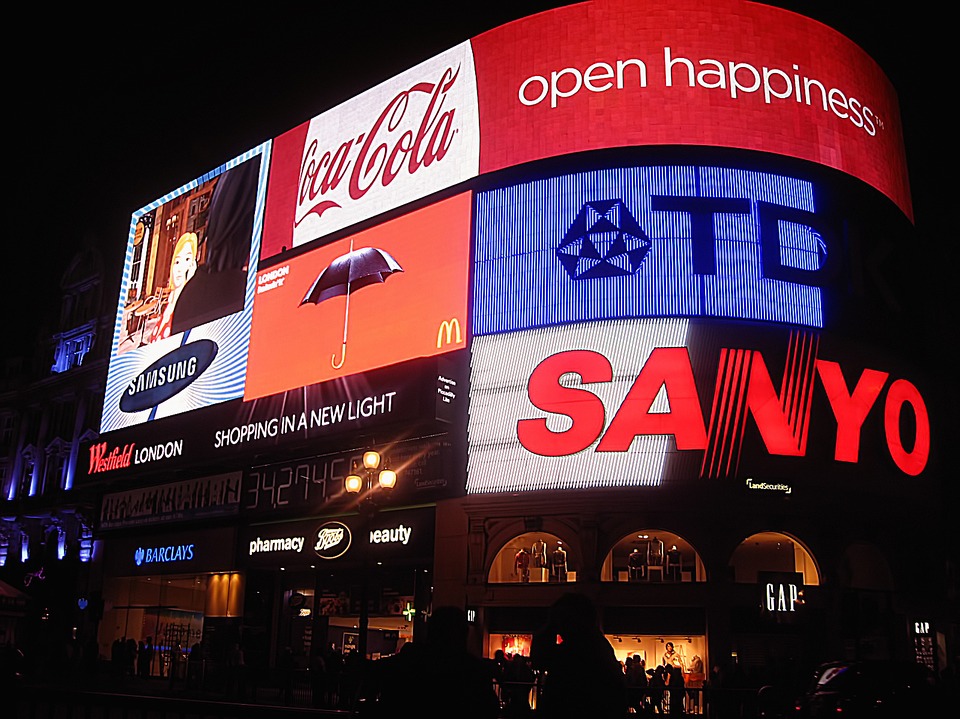
I spent Wednesday at my new job messing with everyone’s privacy settings. Heavily. And for a Mac user to figure it all out on a Windows desktop was phenomenal. But it reminded me that even if I completely disabled these settings, everyone’s smart phones connected to WiFi would give away their information to whoever wants it anyways.

Even the fact that I follow more left-leaning politicians on Twitter means that my ads are well…very snowflake-y. I’ll get ads for products, services and pushing blogs that are 95 percent clickbait. And let’s not even discuss the spam emails. I’m getting hundreds of emails a day. Professional some, but mostly stuff like date Groupons.

Every time I complain about some sort of ache or pain, you can count on good ol’ WebMD shooting me a trusty email about overlooked cancer symptoms. It’s creepy. It’s invasive. However it’s highly convenient, especially in a world where instant gratification is key from all angles.

You can’t get away from it. I’ve continuously blog-preached that those in the communications field have to adapt to these types of rapid change or else it could mean the end of our industry as we know it.

So how do we harness a demon that’s transitioning into a monopoly? It’s so vital to strive for strong ethics in communications. If people don’t believe what they see, they won’t partake or consume in what’s put in front of them.

In short, is everything in life about pulling at the heartstrings behind our love for humanism? What about transparency and the simple act of being genuine? There’s so many questions left unanswered, so that’s why it’s crucial to continue to learn how our field truly connects to others.

Why are influencers so popular? Because they are also effectively closing the digital divide. It’s not just Kim Kardashian with ‘Flat Tummy Tea’ or Cardi B constantly repping Fashion Nova. If you have any type of following online, it’s that much easier to get your foot in the door as a brand influencer. I’m not sure if it’s good or bad. It just depends on what it’s being used for.

I mean why not be a walking advertisement. If you have any type of following or adhere to some sort of niche, it’s possible to become that. If enough educated individuals in journalism hop on this bandwagon, it could mean a life or death difference for this particular industry.

I don’t have all of the answers. It’s impossible to do so with everything, especially technology, constantly changing. But that’s also the scary beauty in the profession. No one can be a complete expert in it and no one ever will be–there is ALWAYS something to learn.

It’s clear that continued research and expansion into the impact of advertising and marketing is imperative for the future. When all fields of communication thrive, everyone involved prospers.

Marketing needs advertising, who needs public relations…and they all need journalism. And since journalism needs monetization to exist, knowing the ins and outs of marketing and advertising is essential.

Seeing what types of advertising are beneficial is also completely needed. In short, not all types of advertising are good for the seriousness of journalism. Such as native advertising. I can’t explain how frustrating it is to see the lines blurred so much to where people fail to harness any concept of media literacy. The complacency is astounding.

I’d rather deal with organic and inorganic outreach than native advertising. Although it’s sad when you can tell that likes or follows were bought, not earned. I can’t knock what pays someone’s bills too much.

Even brand marketing is better than native advertising. Anything where it seems like I’m going to be an actual human. All in all, this industry is like unique ways to push a form of telemarketing. A new way to connect to consumers without having to show up on their doorstep to convince them that your product or service is worthwhile.

Everyone wants organic outreach the most. But making that happen when you aren’t internet-savvy is pretty much like climbing Mt. Everest with improper protective gear.

Advertising is a numbers game. It’s like giving an investigative journalist raw data in a folder and telling them to find the story in it. You have to be completely calculated to plan out an advertising or marketing campaign.

It’s planning the future of an enterprise. And if you can’t sell it with your soul, that’s where brand marketing and native advertising come into play though. I can run around in circles talking about how much I hate or love their outcome for any general brand.

Photo courtesy of Wikimedia Commons.

How many times will you check your social media platforms while reading this blog?Probably a bit–I can guarantee even the most anti-social is tapped in somehow. Media convergence is prevalent right now and it’s taken a whack at the digital divide.

So about the Big Five.

Everyone has one of the Big Five of social media: Facebook, Instagram, YouTube aka Google, Twitter and LinkedIn. They all cater to vastly different parts of the internet but at this point, they’re pretty vital to any part of the communications industry.

I’m not a big fan. I grew up outside and whatever, like every other millennial. But being able to navigate through each medium is way to have success as a multimedia journalist in this age, especially when those catalysts aren’t always used for the greater good.

I mean, I’m here to tell the truth and that’s where my loyalties lie. I’m only good at words and the Big Five that came with the rise of the internet have changed the way that words are taken in.

So it’s only natural to take what I’ve learned and apply them in other places. It’s constant trial and error. It’s a challenge. It’s pretty fun and exhausting at the same time.

Why care about the Big Five?

I can’t speak for everyone in my field but I do know that we all probably learned the same exact ethics to get where we are now. I want to adhere to those ethics while still using the Big Five in a way that is beneficial to those that come across my platforms.

Presidential candidate Bernie Sanders and his campaign are pinnacles in effective ways to use social media, even when social media giants might not completely be in tune with you.

Whether it’s through social media, email or cell phone, this presidential campaign is really hitting the ground running, relying on communication to get their point across.

Fighting back against the grain?

For example, let’s look at Twitter. I’ve discussed before how Twitter’s CEO Jack Dorsey harbors a soft side for conservatives and white nationalists. Even with supposed consistent moderation and a more supposed “paid political ads” ban, Twitter is still used daily by our current President in order to push his narratives.

In short, Twitter has a huge loophole that can’t be closed.

And his Twitter following continues to grow. At 66.9 million followers as of 6 pm PST, the only president with more followers than Donald Trump is Barack Obama, with just under 111 million followers to count.

I mean, our previous POTUS was a master at communication via social media. And he still continues to be. To say his tweets are drastically different than President Trump’s is a massive understatement.

Need I post more to show the difference? I feel like there’s this clear notion of catering to a certain audience. It’s either left or right. And in-between isn’t acceptable with either side.

While Obama pushes for unity, Trump is pushing for ratings like our country is another season of the Apprentice. We all know that Rasmussen has a huge conservative-leaning bias. Where are you getting your facts from, President? Seems like you’re picking and choosing a narrative to fit your fancy. Who is really the “fake news” then?

Honesty and transparency is absolutely everything nowadays.

I wonder how many jobs will turn me down over this opinion. But it’s really all common sense to me. Use your platform right and spread awareness across the nation.

Or the world.

Even Taylor Swift got on board with that one. Here’s just a recent example of it. We all know that she finally got political last election, too.

This means that being able to innovate journalism is the only way to beat this blatant growing use of citizen journalism as propaganda that the right has really latched onto. It’s not about the rights of who is conservative and who is considered liberal. It’s about basic human rights, as well as the need for truth across the board.

Facebook is another problem. We’ve seen Mark Zuckerberg in action, trying to run around questions from Congress time and time again.

And Facebook owns Instagram. Both monopolies are being represented by the same guy, ultimately.

This guy.

All memes aside, these big tech people don’t have everyone’s best interests in mind. That’s why it’s up to those in the communications industry to harness those tools and use them for the better of society.

Our children are at risk, too.

YouTube and Google struggled with the lasting impact of alarming videos seeping into children’s videos for a few years, along with the complicit nature behind executives. If you want to read more about the YouTube kid video debacle, check out this highly extensive Medium post by James Bridle here.

To be honest, the issue highlighted in the article above is what needs to be addressed. All of these things occur because we really don’t have a clue how to keep new age propaganda from spreading.

What happened to vigilance? We’re really out here questioning scientists over climate change but not questioning those that create content to rot out our brains?

Therefore, it only makes sense to push out saturation with more mindful content. In all reality, the job trickles down to content creators.

Enter journalism. We’ve seen how the Washington Post has managed to expand their reach into far parts of the internet that many haven’t touched. And now, people in the communications industry are starting to catch on.

Maybe we can’t teach media literacy to those that are on the older spectrum. You only want to know what you seek. But the younger generations? Ready to learn and do better than us. Our lives and the way they will end up all falls on them.

This is why so many journalists are jumping on TikTok.

This is why even President Trump has a Twitch.tv channel, even if he has barely used it yet. The greatest way to garner a relationship with the public is through online transparency. And the younger we get, the more we kind of seem to care about it.

If you can’t beat them, join them. If we’re able–as multimedia journalists–to break into a new market, we’re able to not only commercialize sustained journalism, but we can spread the truth.

TikTok is full of funny videos. Twitch.tv is an Amazon affiliate meant to cater to online streaming gamers. How do you spread news through these mediums? Through letting people get a slice of life as a reporter.

It really all comes down to conversation. People want to leave their two cents in real-time. That’s why Twitter, for example, is so vital for journalists.

Live commentary and updated breaking news is an amazing and useful way to connect to whatever community you’re local to.

I use this example a lot, but living in one of California’s major fire zones means that following journalists on different platforms via social media is a way that I can stay safe. It also means that I can contribute on the ground as a freelance journalist in order to protect and inform others through something as simple as a hashtag.

At this point, hashtags are universal and make life that much more accessible.

Look at what is happening in Hong Kong right now. Riots are prevalent. Citizens are getting hurt because they want democracy. If there wasn’t such a big societal need for the Big Five, would the world be able to know about this kind of obvious government corruption?

Just because we are America doesn’t mean that we aren’t vulnerable. The facade that we are devoid of problems is highly problematic. That’s another reason why it’s imperative to keep pushing against the norm.

Facebook is not a valid news source, sorry to all the Aunts and Uncles out there that think it is. But a valid news source can use Facebook to push an even more valid narrative. On top of that, it’s a way to communicate to readers and make their experiences better with each article or livestream.

It’s going to take time and effort. And to be honest, we really don’t have a lot of time left.

With climate change, homelessness and gun control looming over our heads, on top of another presidential election, it’s clear that moves need to be made in order to gain public trust, especially for those who feel alienated in modern society. Which happens to be both sides of the political spectrum.

We have to know how to use the Big Five for the sake of everyone with internet access. It’s all about humanity and survival of the fittest. Because we aren’t going anywhere.

Once one of the Big Five falls, another will pop up to take its place. Since this particular industry is subjected to constant change, learning how to stay ahead of the game is key to staying afloat.

I’m right there with the rest of the older millennials. Technology is an enigma that I’ve been forced to master and come to terms with. I’ll always be in the learning stage with this profession, although that’s really the fun in it.

But seeing the innovations in communication is the biggest reason why the industry draws me in. Connection is everything.

Some people are homebodies, and not by choice. Some have major social anxiety, like myself, where it’s far easier to make a difference behind a computer screen. Some people have double lives to lead–I’m talking about multiple careers in order to keep a roof over their heads.

Some people want to know more than what they’ve been told. Some people just want more personalization. Some people just want to buy things they might not see in real life.

Social media helps fuel relief in all of those areas, when used correctly. Overall, it’s really a full-time job to be an expert in this field. Since the rise of the Big Five, there’s now more side hustles than ever. If you can harness that side hustle with intricate techniques, you can have a following.

And having a following not only makes money, but has a lasting impact on those that adore what you do just as much as you.

We can’t get away from social media and the impact it has had on the media, marketing, advertising and the realm of public relations. So it’s like the old saying goes: if you can’t beat ’em, join ’em.

Being able to understand and harness these new catalysts for communications helps us understand how commercialization, personalization, entertainment and media have all intertwined.

I decided to jump into the world of print journalism. I’ve found through the years that I’ve also had to learn to master various other platforms as well.

Multimedia rules our generation and while it’s sometimes scary and a pain to learn, it’s something that every journalist needs to get in order to push their career forward. It’s truly something that is a gift and a curse.

In the easiest terms, it’s a way to document memories without having so much of it on paper. What you say or do on the internet is out there forever.

Right now America is watching the impeachment inquiries of President Donald Trump. You can watch it on the television. You can watch it online just about anywhere–Facebook, Instagram, YouTube, various media and probably even Twitch. I happened to catch it on Twitter.

Yes, a social media website. How does that happen? I’m sure I’m not the only one to see it, and the internet gives everyone a way to pay attention. Whether at work, in school or at home, there’s a way to check in on what pertains to your life.

Now social media can be personalized to a point where you can see information while doing other things. We’re all multi-tasking. It’s also a case of the second screen experience.

There’s little tools like Google Home and Amazon Alexa that will tell you news headlines in real time while you go about your day. There’s all these ways to stay tapped in.

When the information is good, it’s that much easier to put trust in the second screen experience. But I feel like just how many journalists now operate with a disclaimer in order to differentiate from their bias, it’s important that every other part of the industry does the same.

For the most part, it does happen. But there’s still a few bad apples here and there.

Twitter is also a place where we can now see real-time commentary. It’s a place where we’ve seen every part of the communications industry flourish.

Public relations has a fast way to react to damage control and everyone can effectively communicate with each other in a way never seen before the digital era. However, if the intentions of good aren’t there, we’re just looking at more propaganda.

For example, think about how big oil companies are trying to push the narrative that they’re looking for a “greener” route to do their business. It’s clear that there is not.

Or what about how private energy companies like Pacific Gas and Oil or Southern California Edison can continue to push that shutting off power during fires is only beneficial to the fact that they are no longer liable if there’s a massive natural disaster that might have been their fault?

Thanking people for their “patience” is really the bare minimum. However it’s all they can do to not make anymore people blow up on them.

There’s also the fact that because of social media and callout culture, there’s no reason to attempt to hide anything from the public anymore. If there’s a farce, expect it to be revealed. Like..in the case of Californian Governor Gavin Newsom. Taking money from those he has recently scorned.

Unfortunately Twitter is a place where misinformation is a problem. That’s why it’s up to those in our field to be able to make things clearer for those without the media literacy to spot a scam. And it’s important to be able to keep an open line between companies and those that use their services.

If we, as journalists, don’t continue to learn innovative ways to utilize social media, it’ll probably overtake us. With the next presidential elections looming, it’s clear that we need to be wary of what’s to come.

But with vigilance, it’s apparent that the world is ready for the truth to be told and for personalization to come with it.

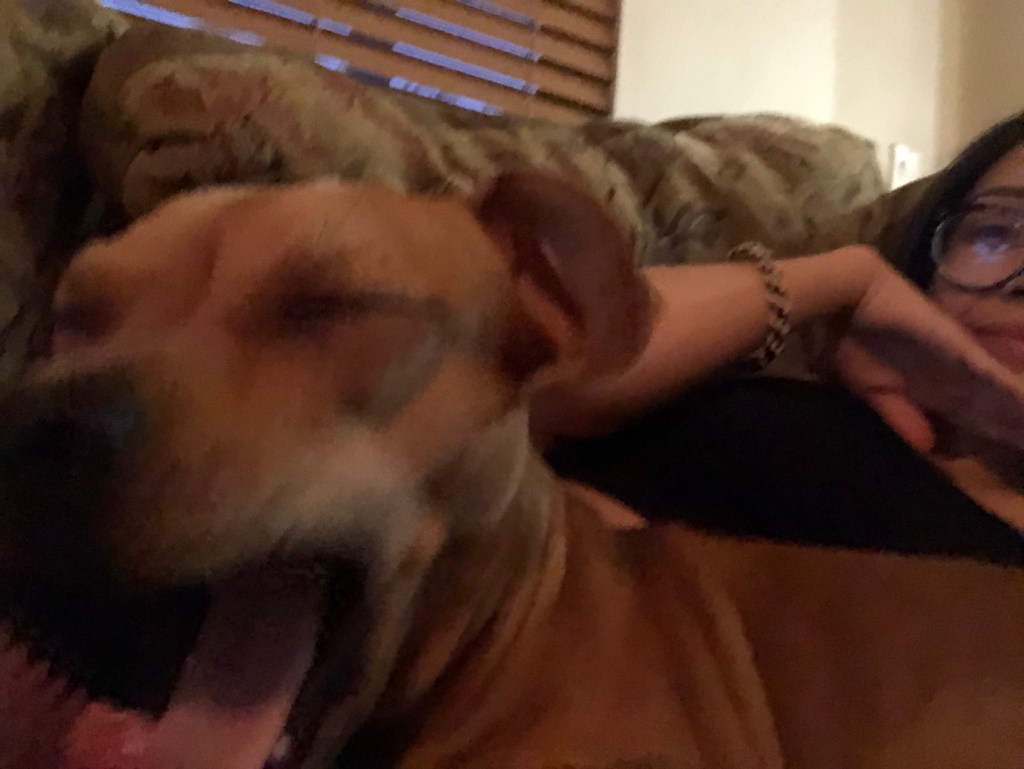
Can you imagine a time before you could record your dogs every moment they do something remotely funny? Me either. But I’ve personally taken a step back from digital technology recently, for a time. Now my use is in full force. Dog multimedia all the time. Photo by Ashlyn N. Ramirez.

“What would your average day look like without access to digital technology?”

It’s hard to say whether or not I’ve been able to live a life without the use of digital technology. I guess that use was minimal while growing up. I enjoyed being outside and in the moment.

I mean, I even had a skateboard from Toys R’ Us. I was rockin’ on. At least I thought.

But in the end, I’ve really spent over two decades connected to some kind of screen. Even if it wasn’t initially an iPad or iPhone.

That want for catching things as they happen has transferred from one catalyst to the next. This is how journalism continues to adapt and evolve.

Considering how the news has recently jumped to this medium, it’s no wonder that multimedia journalists have to use a combination of digital technology and old school proficiency to do what they want to do.

Not everything is what it seems, but they all make for great examples.

When you have to focus on using your five senses to figure out something, some will come to realize that digital technology just makes the process faster. It’s still just as tedious though. Immediate doesn’t mean perfect.

Without digital technology, my online schooling wouldn’t be possible. Neither would my profession. Nothing would be instantaneous.

Therefore, I feel like I’d end up spending most of my time hanging out at home. Maybe even writing a crappy book because I’m really just that bored?

Sometimes it comes down to an existential moment.

A piece of mindfulness and enlightenment. Then you’ll appreciate the technology you have that much more.

Right before I started this graduate program, I took my first break from technology. And it wasn’t even that big of a break. If anything, I just stopped communicating through my phone. Only in person instead. It’s something that rejuvenated my life and helped me connect to my old self again.

And my old self always loves a good scoop, found through hard work and perseverance.

Never would I thought that at some point in my life, I would have access to research, data and statistics all in the palm of my hands. I always compliment Twitter and Reddit for their ability to quickly share news globally. It’s something that while many may not use those platforms still, there’s still enough buzz about them to keep them around.

But think about the scrutiny that comes with this gift. Everyone that’s a later millennial remembers the Monica Lewinsky scandal. It’s something that former President Bill Clinton has actually been able to recover from.

Our current president continues to use digital technology in order to bend the law for him, thus harming our democracy while getting his agenda. How is it that a women gets shamed online and loses everything?

All while our president is the center of a handful of investigative inquiries.

Democratic, indeed.

Digital technology often causes bias and misinformation. However, if we didn’t have it at all, there’d be no way to really keep a set of checks and balances in our country. We simply wouldn’t know who is running our country at all. Instead, we have to work off of.

The one thing about waking up and not touching your phone is that everything seems sweeter. Making that calendar, brushing your teeth and hair, a good exfoliating face wash…all of that has more meaning. It’s about the simple things. And when I took the time to slow down, I really got to catch up on a few things–my sleeping, free writing, watching Netflix, art, cleaning, cooking AND reading.

I even picked up photography again.

Catching things in the moment is one of my favorite past times. Even if it’s blurry. Not everything has to be so serious. Photo by Ashlyn N. Ramirez.

I don’t even remember the last time I read a book for pleasure. But I highly recommend The Book of Mindfulness. Suddenly, all this time I spent sitting on my phone was taken up with actually taking time to care for myself.

That way when I did start getting back online for school, I was more careful to really handle my time management the best I can.

Sure, I’m writing this in the middle of the night after a random spark of inspiration. Yes, I binge watched the Netflix series Prank Encounters. My fingers hurt from cracking them. I can definitely say that I am not stressed anymore though.

If you can let go from the necessity of needing an online presence, I feel like it’s ultimately that much easier to create one on your own without even trying.

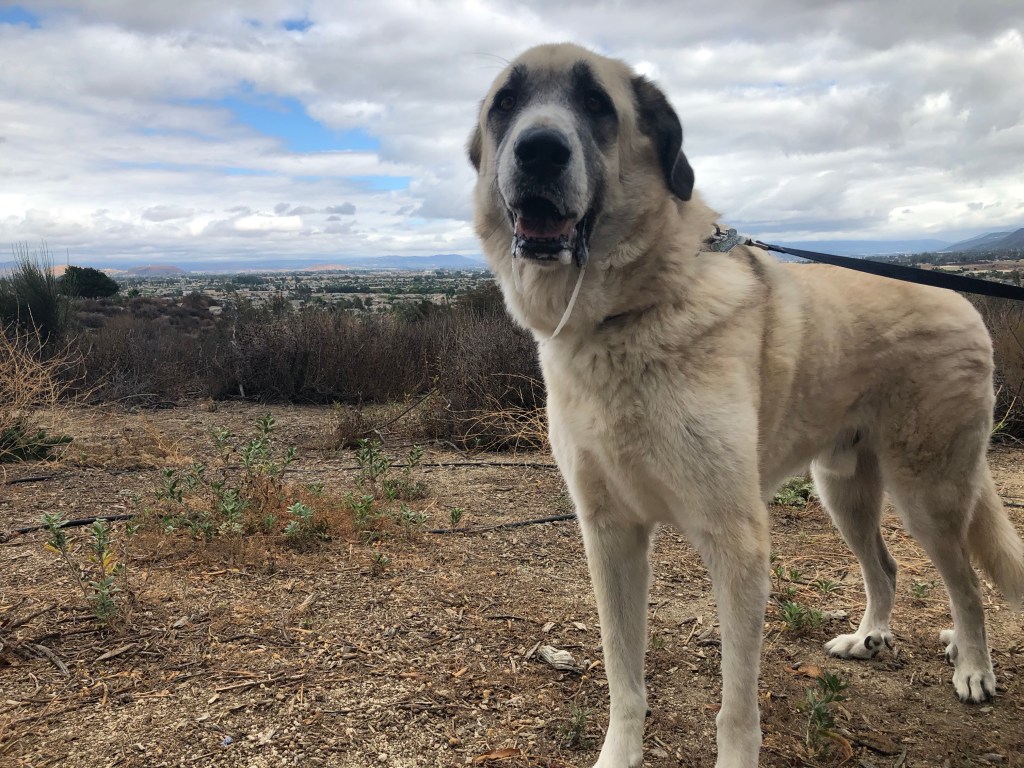
Social media is a way for everyone to connect–even for dog owners. Here’s a picture I shot of one of my dogs for his Instagram during a walk this month. Yes, my dog has an Instagram. And I’ve been able to find more dog owners that have the same breed. It’s great.

What’s the biggest impact social media has made on how we interact with one another?

Who do you talk to these days? And how are you talking to them the most?

For many, it’s through our smartphones. Asking for an Instagram username is like calling someone’s house phone back in the day and asking them on a date, or to come outside to hang out.

Interaction–something that has drastically changed over the past two decades. It’s crazy to think that the days of growing up outside as a child are massively different.

Everyone has a phone in their hand; I received my first phone in middle school. My younger sister? She had one in third grade. My mom’s reasoning was for safety. It was something foreign to me. The difference here is our age gap of seven years.

I’ve read every single Harry Potter novel. And I could read an entire novel in a day. I’m not special for it. I’m sure a lot of people have too. It’s just that now, that kind of dedication is rare, especially when your phone is lighting up every fifteen minutes with a new notification.

Since technology and social media altered our society’s attention spans, I’ve never been able to read a novel quickly since. I get bored easily and at some point, I’m going to check my phone. I have to even use my phone to go to sleep.

Not having access to social media is like cutting off one of my index fingers and an ear. Without it, I’ve lost a way to vitally interact with others. That’s one of the many cons of social media.

Now, harboring some kind of presence takes precedence over knowledge. It’s frightening for our future.

However, there’s those that have actually developed enough media literacy on their own to actually use their platforms to not only make people laugh or smile, but to bring awareness that impacts the global population in a million ways.

For me, Twitter has become the best place to find breaking news. Instagram has become a place for me to showcase my photography.

Thanks to social media, everyone can be a model, actor, artist and citizen journalist, to name a few things. A business can grow from local to worldwide if you’ve got the right marketing tactics.

While this has caused for saturation to accelerate in terms of actual talent in many fields, it’s also brought plenty of new talent that might have never been discovered before without the help of the internet.

Let’s talk about rapper and actress Cardi B. She gained her fame through social media by posting her life to Twitter and Instagram. She went from rags to riches, and then some.

She’s now considered one of the best female artists in the pop realm. Her openness and realism through various social media platforms is what makes her relatable.

Social media has really pushed forward commercialization for businesses and individuals alike, especially in the case of celebrities.

Think about the Kardashian family. Would they really be this famous if it wasn’t for them jumping on the social media bandwagon?

Kylie Jenner made an entire empire through her Instagram account before she turned 21 years old.

She’s become a staple for women across the country–a roundhouse millionaire, all thanks to social media. Without social media, there’s no way her makeup line would’ve flourished the way that it has.

It’s pretty common to see the younger generation have more than 1k followers these days. Life is measured by the likes you get online. If you’re able to push your passion out there to the right people at the right time, it could change your life for better or worse.

President Barack Obama used Twitter, Reddit and Instagram to stay connected to the general public. Now every Democrat running for office is adopting the same routes.

It’s a thing that other individuals, regardless of the field, have latched onto for the same reason.

An instant way to provide information and answers, social media has actually provided an easier catalyst for journalists to give out news consistently, 24/7.

As social media continues to change, it’s going to further change the way society interacts with others. On one hand, social media brings people together that might have not been able to interact before. Think about online dating, for example. Suddenly, the world is not that small.

When I was in fifth grade, I joined a Linkin Park message board for die-hard fans. I ended up staying friends with people I met on there till this day, even if we don’t live in the same part of California.

But then again, social media has also brought newfound body dysmorphia and isolation. Kids would rather sit on Youtube and TikTok instead of enjoying what’s probably the last decades of affluent nature.

Like I said, our lives are now dictated by the likes that we get. And when you can’t fulfill that satisfaction, you don’t want to associate with anything at all. At least some of us have that awareness. For others, they don’t know anything else.

Thanks to social media giants like Flickr and Instagram, I’m able to share these awesome sunrise photos that I’ve taken while hiking this year. Dropbox and Google Drive give photographers and other journalists a place to collaborate or share. La Cresta, California, July 2019.

After learning about the Conversational Prism, it’s just dawned on me how actually crazy it is that the internet impacted our worlds this much. And that impact continues to evolve every single day. Getting a job in the media means staying in the forefront of news. It’s hard, but it’s constantly exciting and doable.

I mean, how many people get to say they become a mini-expert in every topic given to them for a living? A simple way to put it, but it has its poetic justice.

Journalism is something that enthralls me. It speaks for the words I can’t compose.

Social media allows me to show photographs in new ways that I never thought were possible before. The mediums are now endless. The audience? Anyone who looks up your hashtag. This is the same morning as the picture taken above.

There’s so many platforms that allow us to connect in ways never imagined before. Once a huge computer filled a room while scientists scrambled to use it. Fast forward to present time and we’ve got miniature super computers in our hands.

Billions of people have internet access. But billions still don’t.

That number will continue to change with time.

Social media means that everyone gets a chance to take a fancy band picture and hope that their favorite artist sees it. Above: The pop-rock group LANY via the VIP section at the House of Blues in Anaheim, California. June 29, 2019.

Some platforms allow people to not only share pictures and video, but have at length conversations about a range of topics. Sites like Reddit have grown from their desktop base to a mobile app device.

It’s seamless to use and costs no money. It comes in handy when you want to talk about things or need advice regarding a specific topic. For example, I turned to Reddit when I first became gluten and dairy-free. Next Facebook.

Those places helped me find peace in my diet and ways to learn new recipes and tricks to cook at home. But what about when I just wanted to kill time?

Then there’s places like Telegram. Which allow a user to basically access an old school chat room through their phone. The amount of people that can be included in the same chat is hundreds.

It’s a place where people can get to know others across the globe with no boundaries. It’s a way to send pictures to others of places that hardly look like they exist.

It comes with cons though. If you have a mood disorder or body dysmorphia, you have to keep yourself in check at all times. Sometimes those that live the social media life can’t differentiate between fantasy and reality. It’s hard. But it’s possible to look at that negative in a positive route.

Just some tropics and underwater bungalows. No big deal. Taken at the Bora Bora Pearl Beach Resort in July 2017. Picture by Ashlyn N. Ramirez.

All in all, social media has sustained trends that are incredibly valuable to the media community. It’s something that we must hold onto and grow with as technology continues to change.

I’m excited to embark on that journey with everyone I’ve gotten to call my colleague.

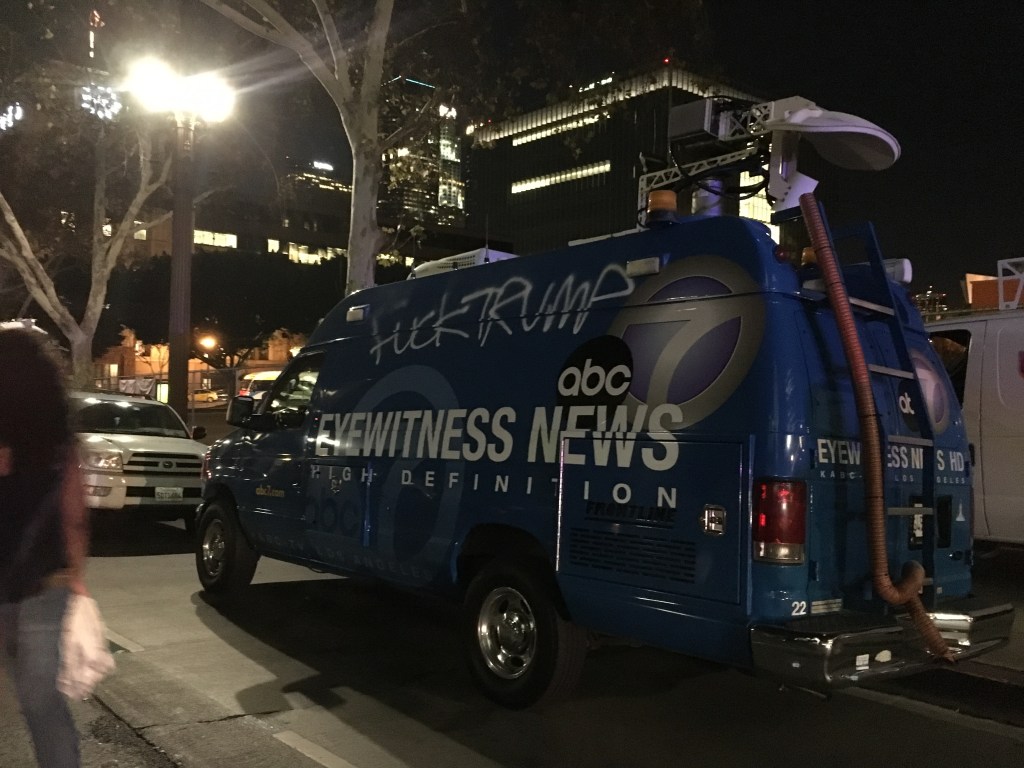
Nov. 9, 2016. The day after Presidential Candidate Donald J. Trump was elected into office brought heightened demonstrations across the nation. Groups of protestors set their sights on vandalizing media property in Los Angeles. Photo by Ashlyn Ramirez.

President Trump’s win over former Secretary of State and First Lady Hillary Rodham Clinton is something that has not only left a permanent distaste for diehard progressives– it’s also the cause of newfound yellow journalism.

But this is my opinion. Take it how you will.

Journalists are here to report the truth without bias. But the Trump Administration has hurled a cesspool of vitriol for the past three years at anyone who has questioned them.

People have been fired. People have been hurt because of misinformation. That damage is irreparable. Does this mean that journalism has become saturated?

No one thought that another country would pierce the soul of democracy here. Unfortunately that’s exactly what happened. And with the recent findings behind Trump trying to coax Ukraine’s president into another election fraud, journalists like me are wondering how this is going to impact the future later.

I read in one of my textbooks that over 200,000 journalists have been laid off since the early 2000’s. As far as this year goes, about 7,200 journalists have been laid off so far.

Once I joined the Daily Titan, Cal State Fullerton’s student newspaper, I was made well aware of how the term “fake news” would change my future.

A closeup of Pro-Trump demonstrators’ signs on Cal State Fullerton’s campus March 13, 2017. President Trump hadn’t even been in office for three months. Photo by Ashlyn Ramirez.

Yes, I’ve been directly called this tasteless term, over this article linked here that I wrote. It’s insulting and dehumanizing as a student to see those leading your country effectively making your career more hostile and violent.

In fact, I had an entire Letter to the Editor written about a basic new piece I wrote almost three years ago. It was so crass that the editorial board heavily redacted it. We were flabbergasted. At this point, I can’t even find it online anymore. I guess it was that bad.

Part of this happened because I was a crucial asset to the editorial section–and also wrote countless opinion pieces that often denounced President Trump. The entire student body–or at least whoever read the paper– knew my name then. Speaking out as not only a journalist but a journalist of color has become increasingly harder over such a short period of time.

Video footage from a Pro-Trump demonstration–just months after the Trump Administration took office.

Writing those pieces has given me jobs. It’s also caused many to turn me away, especially in a part of California that isn’t even close to being blue. But even those that are blue can lack media literacy all the same.

Opinion is not news and it never has been. How much more can be done to inform a reader about what’s fact and what’s not?

Sure, you can throw a disclaimer on a piece. You can write that this is an opinion article. And it’s unlikely you’ll see an opinion piece grace the front page smack in the middle anyways.

However, you’re only going to see what your thoughts will allow. Just like those currently in power.

To this day, our President insists on attacking any news media that is not considered conservative. It’s disgusting and vile. It’s a very real threat to the First Amendment, our human rights and our democracy.

This is how the media became saturated to the point of a pop culture joke. Blogging exacerbated the lack of source credibility and those that aren’t fond of our country saw our weakness and took advantage of it. That’s why fighting back against “fake news” is more important than ever. But it’s a match that can only be strategically won.

No one knows everything. Even the media. That’s why objectivity and research are vital to make a sound, informed opinion. And then it’s time to spread information–fact checking is everything. Even if the current administration doesn’t care for any of it.

“Fake news” is a term that an entire newsroom will either laugh or roll their eyes at. But since the general public lacks the media literacy needed to really differentiate from what’s legitimate and what’s not, it’s a problem that has to be addressed through the next generations.

It’s going to take more than writing in your Twitter bio that your opinions don’t represent your work. Without passing down media literacy to the public, there’s no way journalism is going to ride out this wave.

It’s going to get messy. Even other countries are feeling the burn.

Trying to start a journalism career in a rapidly changing industry is hard enough. Once you add the threat of yellow journalism into the mix, things start to get more complicated. Combating a monster that was probably created through the acts of Russia and various Republican representatives was something no one ever thought would be a thing.

Now, what does this mean for future elections? The key to changing everything is awareness, facts and voting. Without any of these things, a president can become a tyrant. Just like how the government relies on checks and balances, journalists have to rely on their ethics. Everyone’s a skeptic. It’s a journalist’s job to localize and humanize their writing for the general public to pay attention.

I was taught to not even register to vote. Old school journalists take ethics to a level that isn’t really seen anymore. It’s something that future journalists must keep in mind. Times are changing with us, but our core stays the same. Yellow journalism has been around for quite some time and we, as journalists, have to get craftier at handling it.

Those that utilize the internet and social media to spread their views ultimately push credible sources out the window. It’s to the point where many people have become so skeptical that science isn’t even something they want to believe in.

This is a problem that can only be fixed with understanding reality.

The next time you see an aunt or uncle on Facebook posting links to bogus news sites, don’t call them out in person. If you can, teach through education. Not everyone is going to listen to sources that don’t cater to their needs, but there’s always a middle ground to stand on while defending yourself.

The change that has amassed through such advances like technology is something that has become ingrained in our society globally.

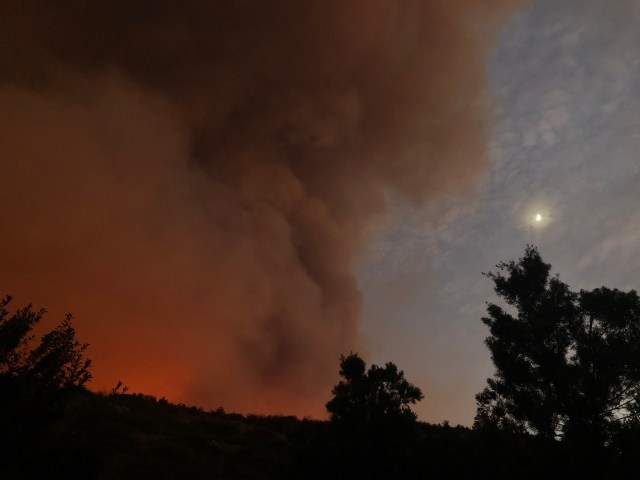
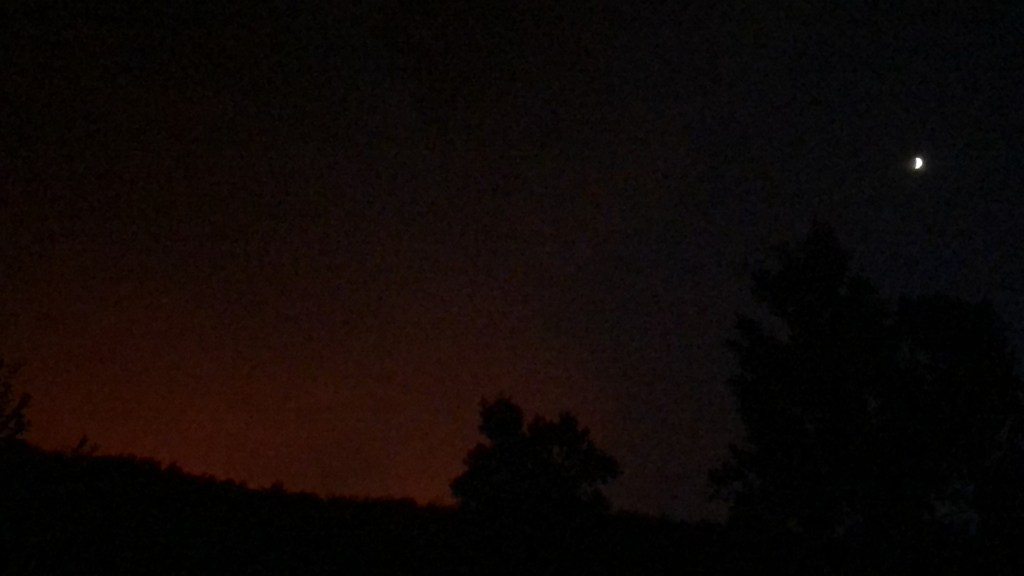
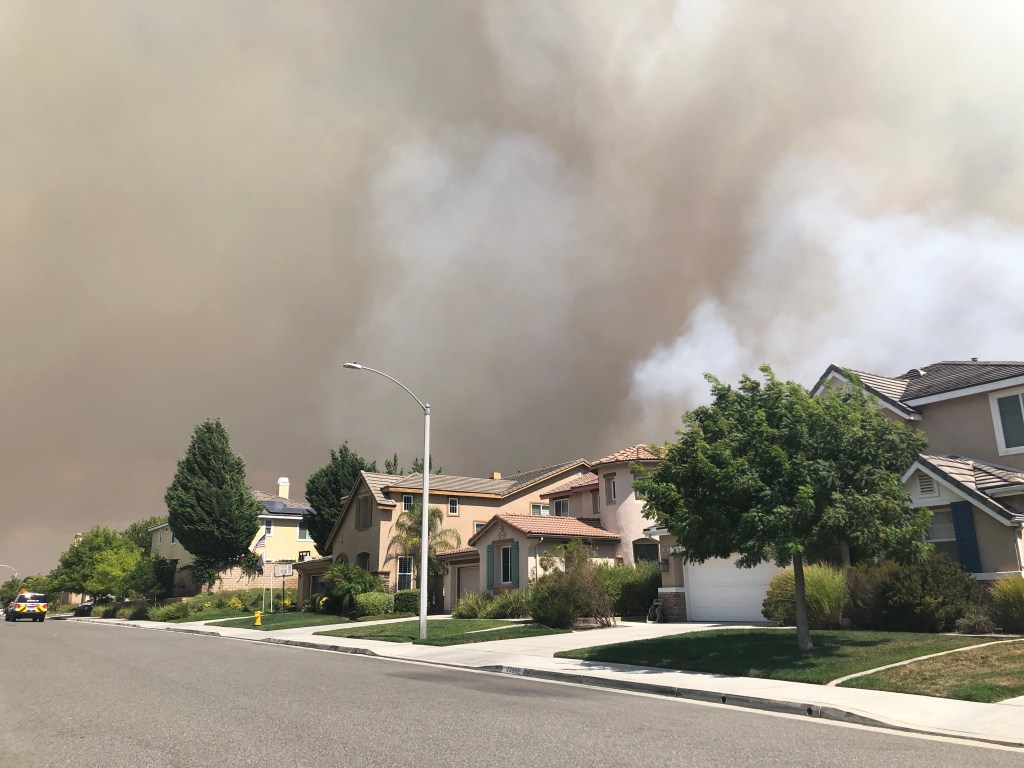
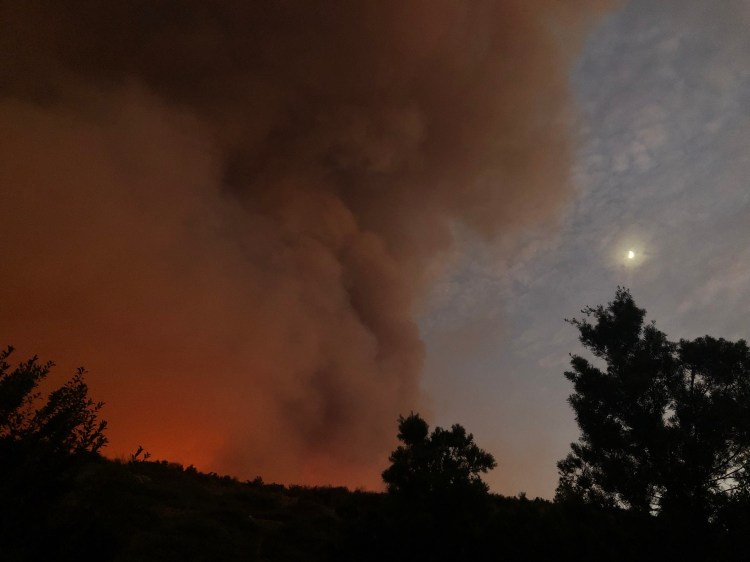
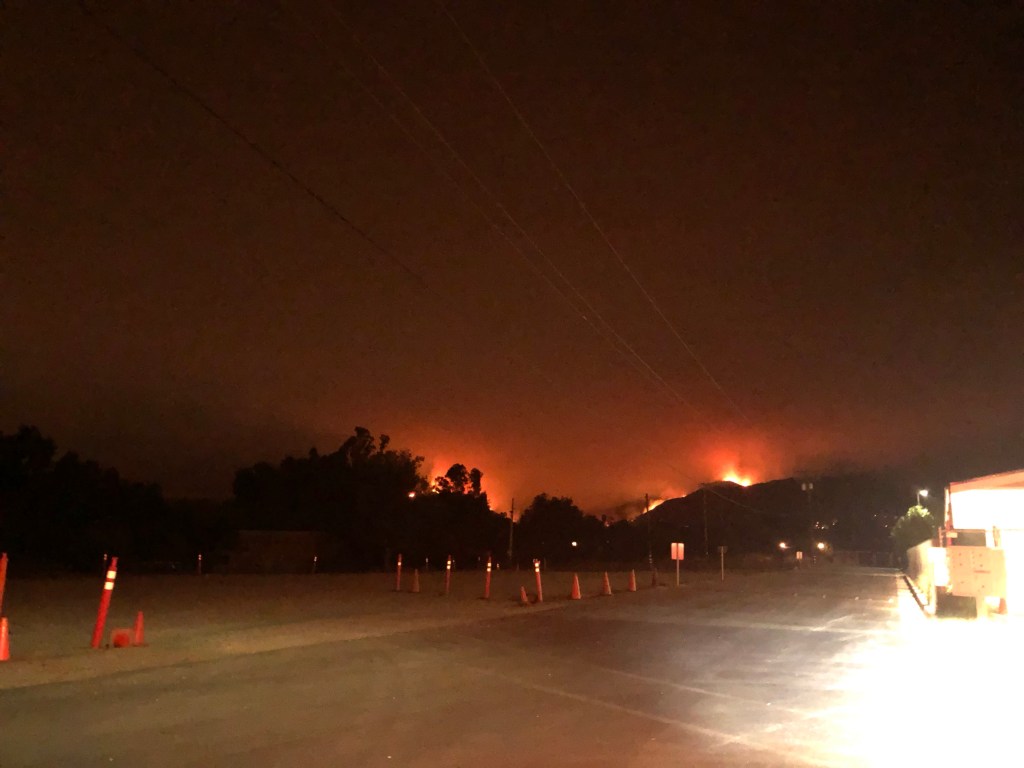
Views from the Tenaja Fire near Murrieta and Wildomar, California on September 7, 2019. Photography by Ashlyn N. Ramirez.

When the media merges with dozens of other mediums that can help push forward bits of information at the speed of light, it’s incredible what digital convergence has done over hundreds of years.

While many feared that these kind of advancements would topple the media industry, they’ve actually made it innovative and creative in a way that no one ever realized was possible. Think of every dystopian novel out there– the major fear was that technology would get into the wrong hands, thus getting out of hand.

Although that may have been the case in some ways, it’s not the only way to look at how our world has changed through simply being able to attain a mass amount of information in seconds.

Learning multimedia is not easy. To some it is first nature, to some it is a little bit of an unwanted appendage that you really grew to respect anyways. There’s a reason why some choose to learn in a class setting instead of watching youtube videos on their own. Trying to wing something doesn’t normally end with enticing results. This is where media literacy comes into play.

It’s a journalist’s job to be a watchdog. Without holding fast to that basic identity that has really help change the course of the entire world, it’s no wonder that most corporate media tends to end up slipping up at some point.

In a world that oftentimes only sees white and black, one must come to ponder why the United States ends up with problems so vast that many can’t help but scorn when they hear about what’s going on with politics or in their city lately. Because of social media, we’ve all become isolated.

What would you do in order to go against the grain? Is it wrong to not want to be complacent sometimes? Unfortunately Millennials, Generation Z and those after are stuck with footing the bill that has become climate change. Without digital convergence and media literacy, the world would be doomed.

Change is needed now, immediately, every single day. Without it, there is no future for journalism, or anyone for that matter.

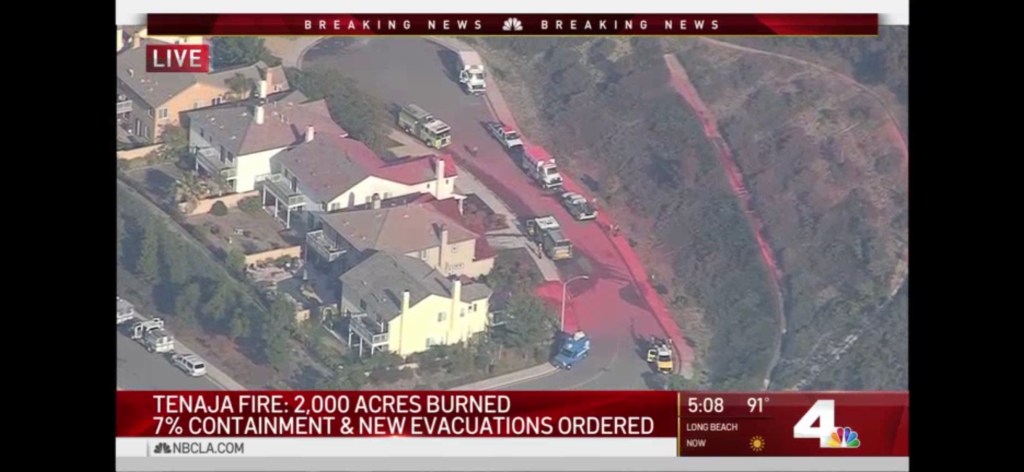
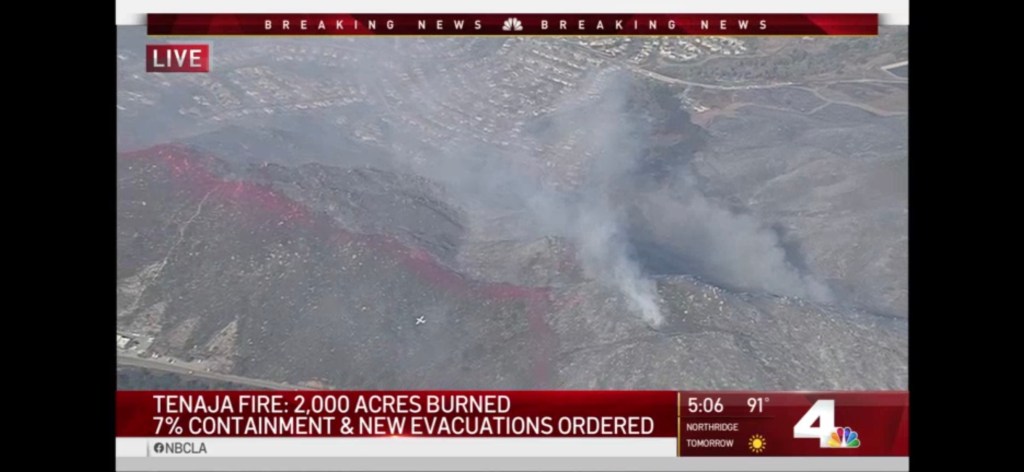
I just watched a fire burn the hills behind the house I currently live in. The Tenaja fire in Southern California. That’s the impact of climate change. I packed my bags the second I saw smoke because after doing some calculations, I realized that the fire was barely 2000 acres from my house.

On September 5th, 2019, evacuations were ordered for Montanya Place, Bonita Place, Belcara Place and Lone Oak way, according to the Riverside County Fire Department in Southern California, about 60 miles south of Los Angeles and San Diego. Many residents who waited until it was mandatory to leave hurried to leave to avoid the looming smoke in the sky. Photo by Ashlyn N. Ramirez.

The fire stopped a bit over 1900 acres, according to reports from Cal Fire. The hills behind my house burned. With four animals at my house, what would I have done if I wasn’t ready when the first evacuation orders had came? It was a mess that I wasn’t planning on tackling.

Since then, there’s been a few outbreaks in the same exact area. And as some scientific models found online that are reposted through various weather journalists across the pacific, October is looking like it’s going to be dry instead of wet.

Without advancements that digital convergence has excelled with, there would be no way that I could have the media literacy enough to explain to you how it feels to predict a fire coming to the back door of your house. All through the means of checking government agencies’ websites, Twitter posts through hashtags and the local media.

My house is fine, but the thought of another fire happening always remains. Grim reminders of what Paradise, California went through are painful as I imagine another fire tornado coming down the hillside. But with vigilance comes safety. Knowing what you’re up against, thanks to the internet and media literacy, is life changing sometimes.

Even though Paradise is quite far from where I am, the way the suburbs are set up out here are almost the same. Homes tightly nestled against the mountain range, the Santa Rosa Plateau and the Cleveland National Forest. The amount of fire hazards out here are crazy. Throw in a little bit of monsoon weather that causes lightning strikes and boom! There’s fire weather for you.

I’m not great at math or science but I am a journalist fascinated with the phenomenon of climate change. It’s something that many people would know little about without the use of technology today.

Although many still don’t realize when there’s some bias in their news program, it’s important to support individuality and continue to champion the truth–for everyone.

Screenshots from NBC 4 News in Los Angeles, courtesy of Twitter.

As a journalist, you learn to look at things for both the big picture and the small. These are the things that help keep one objective enough to truly get culture. Without it, you’ll go complacent or misinformed.

Screenshots from NBC 4 News of the Tenaja Fire, courtesy of Twitter.

This is why it’s imperative to know digital convergence inside and out. It could save your life and your property sometimes. This kind of danger will continue as climate changes impacts us in ways we aren’t ready for.