Technological convergence is daunting; something that many are unable to understand with the exacerbating gap separating the wealthy from those in poverty. And I’m not the only one struggling with the digital divide. The divide is vast like a black hole, swallowing up knowledge faster than it flies in.

Let’s acknowledge some facts regarding obstacles to equity.

Seventy-three percent of students find that lack of support from their educators remains a significant barrier to their success in online courses. This statistic indicates a crucial gap in the education system. It’s challenging to pinpoint a single strategy that can effectively adapt to public education, especially in this political climate.

However, one strategy can come into play more than others. That approach is rooted in servant leadership, which sits at the intersection of transformational and authentic leadership. 

Servant leadership is my favorite leadership style. Servant leadership is a powerful, emerging strategy in education that ensures that all students, particularly those from underserved communities, are supported to thrive. Unlike traditional top-down leadership models (transactional), servant leadership flips the script completely by focusing on empowering others, listening to their needs, and prioritizing their well-being.

It can be a game-changer for students facing barriers like the digital divide. And the digital divide is only going to become bigger as technological convergence evolves.

What Is Servant Leadership?
Servant leadership, a philosophy coined by Robert K. Greenleaf, emphasizes that leaders should prioritize serving those they lead (Greenleaf, 1970). Rather than focusing on personal power or recognition, a servant leader’s primary goal is to support others in their growth, development, and success. 

Greenleaf found that a servant leader has a social responsibility to be concerned about the marginalized and those less privileged. If inequalities and social injustices exist, a servant leader tries to remove them (Graham, 1991). 

A leader uses less institutional power and control while shifting authority to those being led in becoming a servant leader. Servant leadership values a community of care (CoC) because it provides a face-to-face opportunity for individuals to experience interdependence, respect, trust, and growth (Greenleaf, 1970)

This leadership style creates an environment where everyone can succeed by embracing principles of empathy, active listening, and shared responsibility. According to Northouse’s book on Leadership Theories (2021), “conceptualizing refers to the capacity that gives leaders the ability to browse through a multitude of problems without any creative downfalls on them or the team” (p. 261).

Adopting the servant leadership mindset can significantly improve student outcomes, particularly for those facing technology-related challenges. It’s well-documented that hyper-urban and rural areas often remain disconnected due to systemic discrimination, which limits access to essential resources (Cabral, 2018). 

Wang et al. found that exploring cultural elements happens when confronting and surpassing them through social and technological influence (Wang et al., 2014). Wang also found that political issues contribute to cultural norms (Wang et al., 2014). 

For example, as pointed out, a system of expectations surrounding societal organizational culture provides a standard of behavior for employees, providing a reason for leadership Behavior; thus, a relationship between “authenticity, morality, and organizational cultures aligns accordingly” (Schein, 1985)

Scholars like Greene and Murphy (2021) argue that many of these technological barriers stem from unstable or inadequate access. However, some researchers, including Kersch and Lesley (2019), suggest that these gaps in education could be mitigated through curricular changes designed to support students navigating these challenges better.

The Connection Between Servant Leadership and the Digital Divide:
There are many ramifications of the digital divide beyond access to technology. Support systems are needed to help students succeed in a digital world. Students from low-income backgrounds, particularly Hispanic and first-generation students, are often left behind because they don’t have the resources or guidance to navigate online learning environments successfully.

A servant leader in education doesn’t just stand at the front of the class or set policies from a distance; they listen to students’ concerns, offer guidance, and create spaces for growth

Assuring all students have access to the tools they need to succeed and listening to their voices when challenges arise is one of the most salient parts of the process. Servant leaders can close the gap between technology and students by providing support and encouragement.

How Servant Leadership Transforms the Learning Experience:

  1. Empathy Over Authority: Servant leaders approach education with empathy, understanding that each student has different obstacles to overcome. When students lack reliable internet or digital skills, empathy can translate into providing tangible solutions, whether it’s offering free access to tech resources or setting up one-on-one tech support sessions.
  2. Listening to Student Needs: Listening is a core aspect of servant leadership. Leaders in education must listen to the voices of students to understand their experiences with the digital divide. Servant leaders act on what they hear, making sure that students feel supported, whether it’s survey data or direct feedback.
  3. Creating a Community of Care: Servant leadership creates an environment that is safe and inclusive. Education starts with building a CoC where students feel valued and connected to their peers and to the technology that enables their success. This can be especially salient for Hispanic students attending Hispanic-Serving Institutions, where there may be a heightened sense of belonging when technology challenges are met with collaborative solutions.

Practical Steps for Implementing Servant Leadership in Education:

  • Provide Personalized Tech Support: Offering tutoring or assistance in navigating digital platforms ensures that students can fully engage with their courses, especially those without prior experience.
  • Collaborate with Students: Work with students to co-create solutions that address their digital struggles, from organizing community-driven tech drives to connecting them with local tech support services.
  • Mentorship and Advocacy: Serve as a mentor and advocate, not just for academic success, but for students’ digital fluency and access to technology. Ensure that all students have equal opportunities to succeed by advocating for policies that support digital equity.

As a result, the digital divide isn’t an insurmountable mountain. An increasingly digital world can be made more successful by educators and institutions adopting servant leadership principles. 

Similarly, empirical studies have shown that when educators matched servant leadership with followers who desired it, this type of leadership had a positive impact on performance and organizational citizenship behavior (Meuser et al., 2011; Otero-Neira et al., 2016; Ozyilmaz & Cicek, 2015). 

In doing so, we can create a future where technology serves as a tool for inclusion and opportunity, rather than a barrier to achievement. It’s not about how hard it is to climb the mountain; it’s about the run back down. The digital divide is something we have to learn to live with, and awareness in education equals awareness in the workplace. Vital progress of pedagogy starts in the praxis.

References

Carbajal, Jose (2018). “Patriarchal Culture’s Influence on Women’s Leadership Ascendancy,” The Journal of Faith, Education, and Community: Vol. 2: Iss. 1, Article 1. Available at: https://scholarworks.sfasu.edu/jfec/vol2/iss1/1

Graham, J. W. (1991). Servant leadership in organizations: Inspirational and moral.

Leadership Quarterly, 2, 105-119.

Greenleaf, R. K. (1970). The servant as leader. Westfield, IN: Greenleaf Center for Servant Leadership.

Hu, J., & Liden, R. C. (2011). Antecedents of team potency and effectiveness:

Examining goal and process clarity and servant leadership, Journal of Applied Psychology, 96(4), 851-862.

Northouse, P. G. (2019). Leadership: Theory and Practice (9th Edition). SAGE Publications, Inc. (US). https://reader2.yuzu.com/books/9781071834473

Schein, E. H. (1985). Organizational culture and leadership, by Edgar H. Schein. san … – JSTOR. JSTOR. Retrieved February 26, 2023, from https://www.jstor.org/stable/258322

Schein, E. H. (2004, July 8). Organizational culture and leadership. Google Books. Retrieved February 25, 2023, from https://books.google.com/books/about/Organizational_Culture_and_Leadership.html?id=THQa4txcMl4CWang, V. X., Russo, M. R., & Fay, K. M. (2014). Collective transformation of three generations of Chinese adult learners in K–20 education. In Adult and continuing education (pp. 824–838). IGI Global. https://doi.org/10.4018/978-1-4666-5780-9.ch107

The U.S. economy added just 33,000 jobs in July 2025, according to the Bureau of Labor Statistics. That’s a drastic drop from June’s revised total of 194,000 jobs. For context, economists expected around 175,000 new jobs. We fell significantly short.

July’s report signals a broader slowdown in job growth. While one month doesn’t define a trend, many professionals are understandably anxious. When growth slows, layoffs often follow. Freelancers feel the squeeze. Recent grads face fewer opportunities. Hiring freezes kick in.

So what can we do in times like these?

Servant Leadership Is More Important Than Ever

In tough economic times, good leadership matters more. But not the traditional top-down kind. Now is the time for servant leadership.

Servant leaders put people first. They provide support, empathy, and stability. They coach, uplift, and guide without ego. They ask, How can I help?

And they recognize that hope is a strategic advantage.

If you’re in a position of leadership right now, consider how you can create clarity and calm for your team, your peers, or even your online community. Compassion-driven leadership is needed in this very moment.

Learn Instead of Just Earn: Why Literacy Is the Key

When jobs are scarce, learning becomes survival. But we’re not just talking about college degrees. In today’s world, we need multiple forms of literacy:

  • Digital literacy — How systems work, how content flows, how to use platforms like LinkedIn and Indeed
  • Media literacy — Understanding how information is framed and shared online
  • Platform literacy — How to navigate job boards, remote hiring, and gig platforms

The goal? Know how everything works. Learn how the systems move so you can move through them, and around them if necessary.

If You’re Out of Work: What to Focus On

1. Keep updating your portfolio. Even if you’re not currently employed, you can keep working on projects, freelance tasks, writing samples, or mock case studies. Employers want to see momentum and proof that you’re still growing. Consider a writing challenge for your blog (like what I’m doing right now) or create a collection of social media posts that drive engagement for a marketing or SEO role.

2. Stay open to freelance or contract work. Many employers are cutting full-time roles but still need help. Contract gigs can fill in financial gaps and keep your skills sharp. Yes, freelancing means buying your own health insurance. But it also means flexibility and survival. Right now, survival matters.

3. Don’t underestimate your effort. You’re not alone. Many talented people are in the same position. For example, one job I applied to a couple of weeks ago had 954 job applicants. Another one had over 1600. The U.S. has over 330 million people, and only 33,000 new jobs were added. That’s not on me or you.

4. Keep working on that small business. Staying busy is best, and while staying busy does not always mean being profitable, it does mean that there is a way to contribute to your community. And in turn, the community will support you. For those who sell goods, consider farmers’ markets. Get chronically online. Open that Etsy or Shopify. Interact with others online and watch how organic engagement draws people in.

5. Have empathy for yourself. It’s okay to be tired. It’s okay to feel stuck or stagnant. Sometimes, you find yourself meditating, but you might wonder why you’re being still when you need to be working. It’s okay. Just don’t confuse stillness with failure, because we aren’t failures. We are surviving. And if you’re trying, you’re doing more than enough.

If You Have a Job: Hold It Carefully, But Strategically

If you’re currently employed, be mindful of how you contribute. Help others where you can. Be someone who uplifts. But also: keep your options open. Update your resume, refresh your skills, and quietly prepare for what’s to come, which will probably include further drastic economic instability.


Sources:


Written in 2025

It’s been a while since I’ve done a free write.

So, here I am. Just sitting with my thoughts. Feeling okay. Not great, not awful. Just okay.

Lately, I’ve found myself ruminating. About everything and nothing at the same time. The paradox of politics has been especially loud in my head. We live in a moment where standing for something should matter more than ever, and yet we’re watching people fall for anything.

The divide between left and right feels enormous, but maybe we’re looking in the wrong direction. Perhaps it’s not about the dichotomy between what’s left or right. There has to be something else.

I look over at the book I’ve been reading, Pedagogy of the Oppressed by Paulo Freire. Suddenly, the thought bubble is taken over by the little speck of light you see when you’re floating to the bottom of the sea. Small, but bright.

Maybe we should be looking up and down.

Because let’s be honest: we’re not on the up and up.


The Weight We Carry

Photo by Ahsanjaya on Pexels.com

Many millennials—often burdened by debt, high rent, and economic instability—are living in multigenerational households. As of 2021, approximately 18% of millennials (ages 27–42) were living with their parents or other older relatives (Pew Research Center).

Millennials have lived through wars, pandemics, and now the normalization of fascist rhetoric in American public life. From 9/11 to Iraq and Afghanistan, to COVID-19, to the destabilizing effects of misinformation and mass surveillance, we’ve been through it. And now Gen Z is dealing with it too. And so will Gen Alpha, which is a shame.

Photo by Anna Shvets on Pexels.com

Coming together still feels like a dream. But dreams don’t happen unless we make moves. And the community needs to hit the ground running. We’re all going to have to pick up the slack.

Time does not stop for anyone.


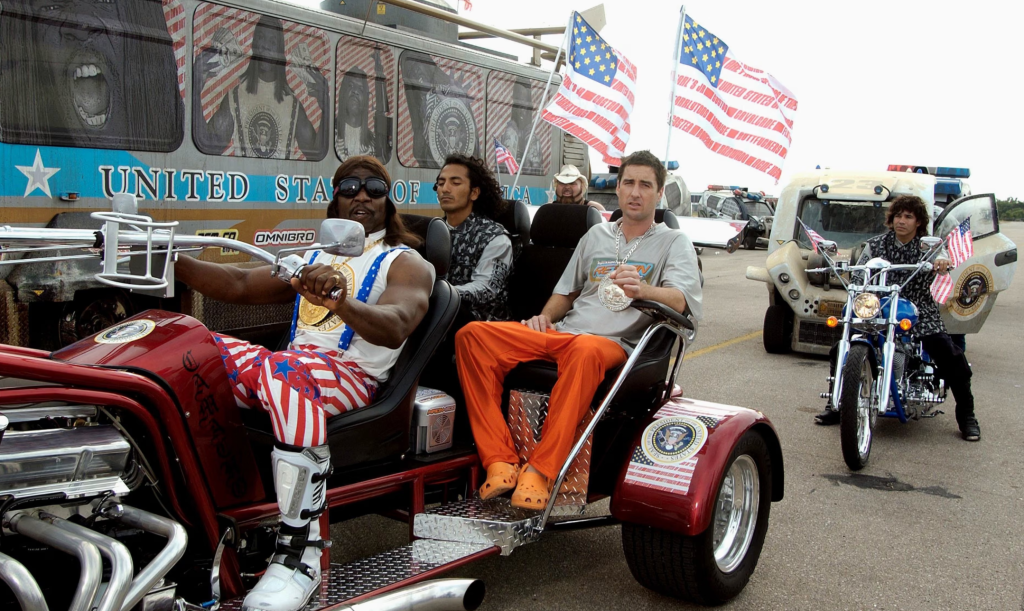
Idiocracy, In Real Time

Photo Courtesy of The Guardian

I finally watched Idiocracy the other day. It’s satire. But barely. It’s a little scary how books and movies help us make sense of our present day.

In the U.S., most adults read at a 7th to 8th-grade level, according to the National Center for Education Statistics (NCES). Post-pandemic studies have shown a decline in literacy, particularly among young people.

This is why my son has a “banned books” shelf, for all stages of his life. I am afraid that this type of information might slip through his tiny hands if I don’t provide it. So I will. I will teach him. The most radical thing I can do, as a parent, is teach my son what the schools will not.

Knowledge is the last vestige of reality. We’re watching it slip through our phone screens. Anti-intellectualism, algorithm-driven thinking, and an overreliance on AI-generated content have reshaped how we think, what we value, and how we interact. Like Baudrillard predicted, we’ve become a nation of simulations.

We’re watching the downfall of the United States in real time.

And it’s not some abstract future. It’s now.

This is literally something that no amount of therapy, medication, or Love Island could fix, due to economic instability like this. Our stock market is inflated, and the tariffs we will and already are paying will not help.

And then there’s still half of America that doesn’t realize that. Still.


What We Need: Community, Care, and Clarity

However, there is hope.

Creator: Jae Hong | Credit: AP

Copyright: Copyright 2025 The Associated Press. All rights reserved

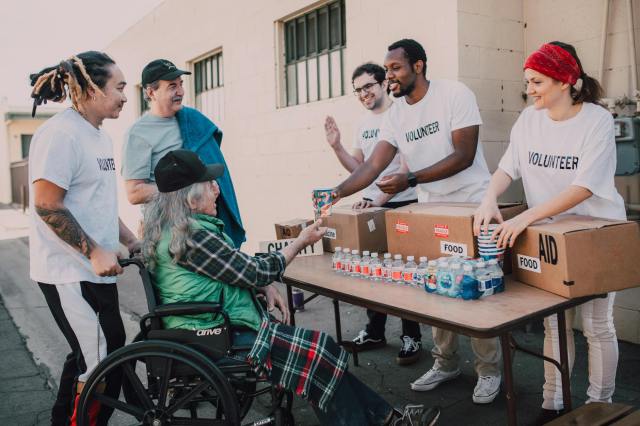
In California, we’ve seen mutual aid in action—from organizing during ICE operations to recovering from catastrophic wildfires. In July 2024, reports of targeted ICE activity in Los Angeles renewed the urgency around community defense, and the response was swift: neighbors supported one another. Legal aid groups mobilized. Volunteers stepped in.

We’re more than just voters. We’re protectors of the community. There may be a drastic digital divide that the wealthy abhorrently take advantage of — and people are starting to see it.

This isn’t just about left or right.

It’s about transcending fascism. About resisting late-stage capitalism. About caring for one another in a system that’s tried everything to convince us that care is a weakness. It’s about a community of care.

It’s about grassroots organizing, building community resilience, and mitigating misinformation. It’s about refusing to back down even when things feel impossible.


The population is waking up and putting their foot down. Enough is enough.

There’s still time to enact a call to action.

There’s still time to make a change.

Written in 2024 and expanded in 2025

The rise of compulsory coding in education is more than a tech trend; it’s a philosophical shift. Rooted in yes-case/no-case theory, this evolving mandate reveals deeper questions about who decides what knowledge matters, and how that knowledge shapes society.

At the heart of this analysis are two key theorists: Jean Baudrillard and Michel Foucault, whose frameworks challenge how we define “truth” in a hyper-digital age. The “yes case” reflects State-sanctioned knowledge: structured, standardized, and enforced through educational policy. The “no case,” by contrast, represents self-selected, personally valued knowledge: the kind that escapes mainstream narratives.

This study asks a fundamental question: Are we becoming more like machines, or are machines becoming more like us?

Coding as a Philosophical Shift

Kissinger (2018) explored how the rise of artificial intelligence and compulsory coding in schools introduced new “habits of mind” into public discourse. This isn’t just about tech skills, it’s about technology taking on a dominant cultural role, shaping how we think, communicate, and learn.

Baudrillard and Foucault wrote their theories long before the full impact of digital competency and AI became visible. Yet, their work, particularly Baudrillard’s ideas on digital abstraction and hyperreality, helps explain what’s happening now.

Coding for all is framed not only as a digital literacy movement but as a “transfer effect” from the digital abstractions Baudrillard warned about back in 1993 and 1995. Computational thinking, ethical dilemmas, and unintended social consequences all converge to shape a world where technology isn’t just a tool; it becomes a worldview.

Digital Shadows and Hyperreality

One striking comparison from the study is Baudrillard’s “digital Plato’s Cave.” In this metaphor, reality is no longer perceived directly, but through Digital Shadows. He asks, “Why speak, when we can communicate?” A line that underscores how interfaces and platforms mediate our human experience.

The study also connects to David Harvey’s ideas on postmodernity, pointing to a major shift in culture, politics, and economics since the 1970s. As Harvey explains, communication has become more fragmented and complex, shaped by meta-languages, meta-theories, and shifting narratives. These trends are especially visible in how different industries, including education and media, engage with coding, AI, and tech policy.

A Personal Connection

My dissertation research focuses on technology access at Hispanic-Serving Institutions, particularly for students from marginalized communities. It’s a topic informed not just by theory but by lived experience, including my time as a journalist and opinion writer.

Today, the media landscape is saturated with content; a lot of it AI-generated, rarely reviewed by humans. This shift changes not only how we communicate, but what we communicate. Trust in sources has eroded. The American perspective on global issues is often misaligned with how the rest of the world sees us. And in many cases, digital “truths” have replaced real-world understanding.

Final Thoughts

As Elon Musk warned in his own discussions about AI, digital trickery is no longer science fiction. It’s already here. I know, me quoting Elon Musk is out there, but the quote fits. Musk’s concerns mirror Baudrillard’s fears that media and machines increasingly mediate reality until the real and the artificial are indistinguishable.

As schools incorporate coding into their curricula and AI continues to evolve, we must ask: Are we equipping students with tools for empowerment, or are we embedding them even deeper into a system of abstraction?

It’s a deeply philosophical issue. It gets bigger the more the digital divide grows.

References Cited

Baudrillard, J. (1995). Simulacra and simulation. In Body, in theory: Histories of cultural materialism. University of Michigan Press.

Foucault, M. (1972). The archaeology of knowledge and the discourse on language. Translated by Alan Sheridan Smith. New York: Pantheon Books.

Foucault, M. (1981). The order of discourse. In R. Young (Ed.), Untying the text: A post-structuralist reader (pp. 48–78). Boston: Routledge & Kegan Paul.

Harvey, D. (2008). The Condition of Postmodernity. In S. Sideman & J. Alexander, The New Social Theory Reader (pp. 235–242). New York: Routledge.

Keenihan, S. (2017). Revealed today, Elon Musk’s new space vision took us from Earth to Mars, and back home again. In the conversation, Retrieved from: http://theconversation.com/revealed-today-elon-musks-new-space-vision-took-us-from-earth-to-mars-and-back-home-again-84837.

Kissinger, H. (2018). How the Enlightenment ends. Retrieved from: https://www.theatlantic.com/magazine/archive/2018/06/henry-kissinger-ai-could-mean-the-end-of-human-history/559124/

Matousek, M. (2018). Elon Musk is launching his Tesla Roadster into space to prove a point — But it’s also a brilliant marketing move. Retrieved from: https://sports.yahoo.com/elon-musk-launching-tesla-roadster-172511191.html

Schroeder, J. (2018). Toward a discursive marketplace of ideas: Reimaging the marketplace metaphor in the era of social media, fake news, and artificial intelligence. First Amendment Studies, 51(1–2), 38–60.

Rogers, C. (2018). Falcon Heavy launch leaves inspiration in its wake. Retrieved from: https://medium.com/@rogerstigers/falcon-heavy-launch-leaves-inspiration-in-its-wake-d186a1bdb8e7

Tamatea, L. (2019). Compulsory coding in education: liberal-humanism, Baudrillard and the ‘problem’ of abstraction. Research and Practice in Technology Enhanced Learning, pp. 1–29.


Print Capitalism, National Consciousness, and the Problem with Imagined Unity

Benedict Anderson’s Imagined Communities: Reflections on the Origin and Spread of Nationalism explores how nationalism itself is not an organic development, but a socially constructed phenomenon—an “imagined community” built through shared language, culture, and crucially, the rise of print capitalism.

It’s a fascinating idea: that nations are not bound by physical borders but rather by the stories we tell ourselves and each other. Citizens build a sense of belonging through newspapers, novels, and other printed materials, one that gives people the illusion of unity with others they would never meet in person. Anderson argues that this shared sense of identity, while powerful, is imagined. And like many imagined ideas, it can be wielded for both cohesion and control.

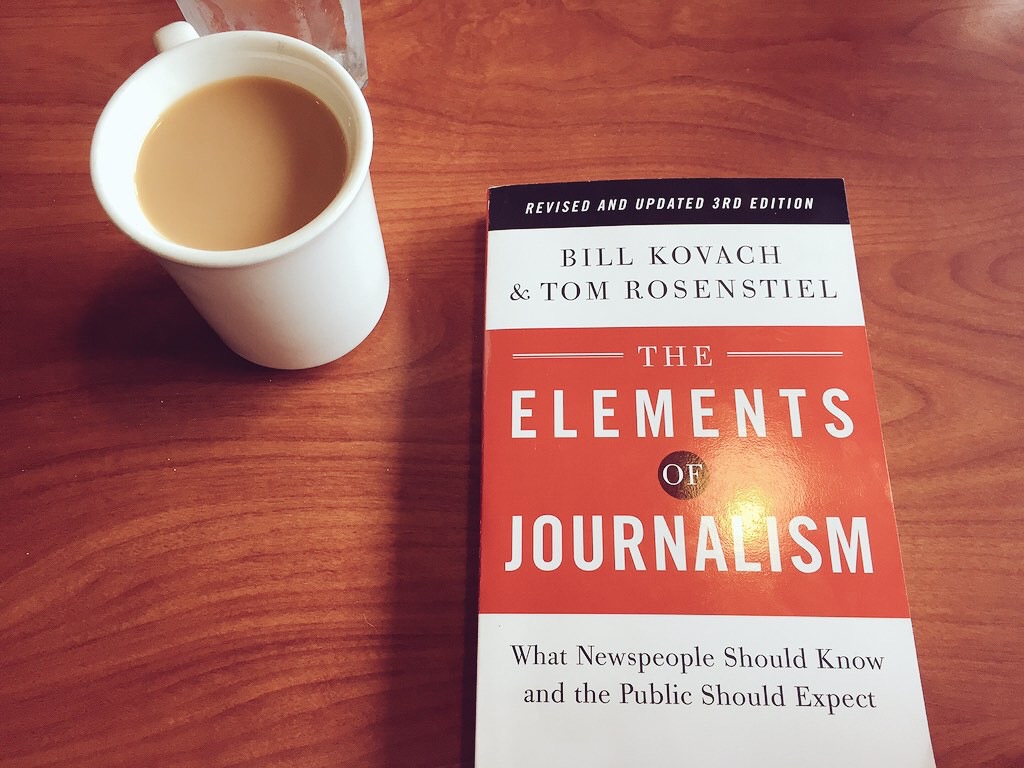
From Anderson’s perspective, the press plays a key role in this construction. Journalism becomes not just a source of information, but a vehicle for reinforcing nationalism. At its best, the media is supposed to serve as a societal watchdog. However, under capitalism, and particularly when a handful of billionaires control the press, those ideals are often replaced by narratives that serve power, not the people.

In the same way state-run media has shaped public perception in countries like North Korea, Vietnam, or China (as Anderson notes on pages 282–283), Western media, though less overtly controlled, often operates in similar ways. Ownership, agenda, and ideology filter what gets published, and who gets heard. The result? A narrative that normalizes colonization, glorifies the past, and renders oppression and exploitation invisible to the mainstream.

And even though much of the media we consume today is digital rather than printed, the impact remains. Words are still “printed” on screens, and they still construct a national identity; one that often leans heavily into conservative values, especially in the U.S., where Christianity and nationalism frequently go hand in hand.

Now, to be clear: having pride in your country isn’t inherently problematic. However, when a selective history and curated information shape national pride, things become murky. For example, in certain rural or conservative parts of the U.S., public school curricula are shaped by school boards that may actively omit or distort historical realities, glossing over colonization, slavery, and the actual mechanics of war. Omission doesn’t just limit education; it undermines the national consciousness that Anderson described. Without honest reflection, the “imagined community” becomes more myth than memory.

Capitalism and the Narrative of Truth

Ideologies such as Marxism and socialism were founded on principles of equity and solidarity. However, when capitalism becomes the dominant force behind the circulation of information—especially when profit and power are involved—those ideals can be easily co-opted. Greed alters the public narrative, and we see this play out in real time through today’s media coverage.

A Case Study in Media Framing

Take, for example, the ongoing starvation of Palestinian infants and children. A leaked internal memo from The New York Times in 2024 reportedly instructed journalists not to refer to Palestine as an “occupied territory” or to use terms like “genocide” in their reporting. Regardless of where one stands politically, it’s clear that such editorial decisions shape public perception. When specific terms are off-limits, it becomes harder for readers to access the full scope of the issue, and easier for a particular narrative to dominate the conversation. In this case, media objectivity is compromised in favor of language that supports nationalist or colonialist perspectives.

It’s not just about one conflict and its framing. It’s about how newsrooms, under the pressure of corporate and political interests, contribute to constructing national identity in ways that may exclude or silence others. They become complicit. When journalism becomes selective in its truth-telling, it undermines its purpose and reinforces a worldview that favors power over people.

The Tech-Nationalism Feedback Loop

Nationalism, as Anderson reminds us, is a modern invention. It evolves alongside technology, and as our means of communication become faster and more centralized, so too does the spread of nationalist ideology. We see this not just in the U.S., but in places like China, where digital firewalls and media censorship shape the public’s perception of national identity. There, access to platforms like Facebook or Instagram is restricted not only for security, but also to protect a specific narrative.

Secular Allegiance and the Flattening of Identity

Anderson also notes how nationalism can take on secular forms, replacing religious or ethnic affiliations with allegiance to the nation-state. In theory, this could be a unifying force; something that helps people move beyond divisions and find common ground. In practice, though, it often flattens identity, pushing marginalized communities to conform to dominant norms or risk exclusion.

Conclusion: Who Gets Left Out?

This tension between imagined unity and lived reality is perhaps the most pressing issue with nationalism today. When media and technology become tools of influence rather than inquiry, they no longer create bridges between people. They create barriers.

Anderson’s work doesn’t just help explain the origins of nationalism; it offers a lens for questioning the stories we’re told and the systems that tell them. It invites us to ask the following question: Who benefits from these imagined communities? Who gets left out of the story?

Exploring the Impact of Technology Access on the Educational Success of Disabled Latino Students in Community Colleges

May 10, 2024

ABSTRACT

Southern California’s Hispanic and Latino population is among the most highly enrolled in college institutions, partially due to their involvement in Hispanic-serving duties (Tagami & Reagan, 2022). However, graduating, especially when a disability is involved, is not often discussed (Tagami & Reagan, 2022). This conference proposal addresses the exceptional progress in educational disparity experienced by disabled Latino students in community colleges, with a primary focus on the profound impact of digital media. Incorporating theoretical insights from critical scholars such as Jean Baudrillard, Laurence Tamatea, Michel Foucault, Tom Shakespeare, and David Harvey, this research examines the delicate balance of access to technology, disability, ethnicity, and academic outcomes within the framework of community colleges in the contemporary postmodern era. The disabled community benefits from online educational communities through videos, language, and discussion (Narciso Jr., 2023). This study aims to explore how disabled Latino students navigate the digitally mediated educational environment, drawing on Baudrillard’s analysis of hyperreality and Harvey’s examination of globalization. Simulated environments and global reciprocity influence this era, which remains characterized by images. Understanding the benefits of this demographic in utilizing and accessing technology is crucial.

The research question of this study concerns how digital media in the classroom positively impacts the educational success of Latino students with disabilities in community colleges. Some ways include flexible classwork, online educational digital media, and finding community through discussion boards and online classes (Narciso Jr., 2023). This pivotal research question on the ubiquity of digital media seeks to explore the intersectionality of technology access, disability, ethnicity, and higher education outcomes within the context of community colleges. As researchers delve further into artificial intelligence, it is more crucial than ever to investigate the ongoing impact of technology on educational success. The research question aims to explore how access to technology can facilitate remarkable educational success for disabled Latino students, particularly in the postmodern era characterized by hyperreality, simulations, and the proliferation of digital media. By examining the impact of digital media on an online community of education, one can see the benefits for community college students. The frameworks of Jean Baudrillard’s hyperreality and David Harvey’s globalization provide a comprehensive understanding of the implications of these phenomena on the educational experiences of disabled Latino students.

There are strategies and interventions that community colleges can implement to bridge the digital divide and significantly enhance the educational success of Latino students with disabilities within the context of postmodern social, economic, and technological dynamics. If effectively implemented, these strategies can offer a brighter future for these students and improve their educational outcomes. This study will employ a qualitative methodology, focusing on small cluster groups to interview students about how online coursework has changed their perception of schooling since the advent of online education. The study could include an end-of-year survey, in addition to interviews, to understand how the online course benefited the students. Other methods include mixed methods, utilizing an instrument to understand the GPA of students who enroll in online classes, primarily using digital media to teach their students.

The digital divide uniquely manifests among disabled Latino students in community colleges. They harbor specific upsides in accessing and utilizing technology for educational purposes. Jean Baudrillard’s theories of simulacra and simulations apply to the digital experiences of disabled Latino students, influencing their engagement with academic content and digital media. Hyperreality and hyperrealism refer to Baudrillard’s concept of living in a technological simulation, unlike nature (Baudrillard, 1994). With so much hyperreality and hyperrealism existing in our modern world, it is clear that there is a crisis of representation where traditional forms of knowledge, authority, and truth remain in question, and that crisis manifests itself according to Harvey in various domains, such as art, literature, and politics (2008). However, through the crisis, there is a light at the end of the tunnel. An analysis of interviews will reveal the conditions of postmodernity, as described by David Harvey (2008), that influence the educational experiences and opportunities available to disabled Latino students in community colleges, particularly in terms of globalization, consumerism, and cultural fragmentation. Community colleges bypass the problems of postmodernity and utilize them to their advantage, pushing forward certificate completion and two-year degree programs at the student’s pace (Tagami & Reagan, 2022; Narciso Jr., 2023).

There are two theoretical concepts that Baudrillard and Foucault have based on social truths, representing state-sanctioned knowledge and individually, self-selected valued knowledge (Foucault, 1972, 1981; Baudrillard, 1994). Some studies raise one fundamental question, such as Tamatea’s compulsory coding and education (2019). The question to consider in this study is whether we are becoming more like machines or machines are becoming more like humans. With the rise of artificial intelligence and technological advances in education and the media, Baudrillard wrote that the vast influence of digital competency was tangible (1994). However, the study aims to challenge the downsides Baudrillard felt were probable in his analysis of simulacra. Tamatea’s ‘yes theory’ points towards technological success in early schooling through coding, a way of simulation by machine (2019). Community college success remains significant to specific theories that consider this framework. The research question and its subsequent sub-genres aim to make a unique contribution to the broader discourse on educational equity, access to technology, and social justice. By drawing insights from Baudrillard and Harvey, we aim to comprehend the complexities of contemporary digital media proliferation, particularly in the form of online communities, highlighting the urgency of the issue and the necessity for ongoing action. Furthermore, it aims to highlight the strategies and interventions employed by these institutions to continue bridging the digital divide and promoting educational equity.

Introduction

This research paper aims to shed light on the composite directions at play, contributing to the discourse on inclusive education, informing policy and practice to foster digital inclusivity, and gathering data on educational outcomes for disabled Latino students in community colleges. There is an intricate web of individual and environmental factors in the lives of disabled people, along with marginalized groups. When one adds more of a marginalized community to that fact, it becomes so much more of a topic to discuss, and social models for disabilities are often separate (Shakespeare, 2010). Minorities’ issues cannot undergo naivety, however. It creates a slightly different topic because it is a universal experience shared by all humanity. The world as it is currently known is defined by what Jean Baudrillard calls “Simulacra and Simulation.” While Baudrillard considered hyperrealism a detriment to society and globalization, there are strengths in digital educational communities (1994). The way education looks today is shaped by technology, moving beyond technological convergence and addressing the digital divide. Unfortunately, marginalized communities will be the most affected by this digital divide and will likely find the most success in technological use as a result. Simulacra is especially important in combating the digital divide and promoting educational success among community college students. Understanding how the digital community helps students is one of the main questions to ask during a qualitative study.

Literature Review

The proposed qualitative study challenges the concepts of meaning and truth, making it clear that individuals must possess the literacy necessary to see through traditional notions of meaning and truth. In a world dominated by simulacra, meaning becomes arbitrary, and truth becomes relative. However, communities can come together to determine what is accurate, truthful, and not. David Harvey’s “Condition of Postmodernity” focuses on cultural fragmentation and how traditional structures and identities are stabilized (2008). Cultural fragmentation refers to the combination of multiple cultures rather than maintaining many separate versions, which often occurs in digital communities. Various aspects of society are reflected through culture, economics, and politics, indicating instability and fluidity behind identities and their meanings, which is further exacerbated by the proliferation of media, consumer culture, and globalization. Hispanic and Latino students in many counties across California make up most enrolled students completing their academic careers (Tagami & Regan, 2022). However, many do that part-time through a community college (Johnson, 2016). When researchers add the disabled community, it becomes apparent that this is even harder to achieve, especially when disabled people are not a community that defines itself through culture, gender, or race. Theoretically, individuals in college or community college may have a different viewpoint and success rates due to the use of hyperrealism and its impact on the conditions of postmodernity’s cultural fragmentation and globalization. In Baudrillard’s “Simulacra and Simulation,” it is clear that there are four orders of simulation, defined by hyperreality. The death of the real and simulacra serves as a control mechanism, contributing to the critique of postmodern society (1994). 

Theoretical Framework and Methodology

According to Tom Shakespeare, people with disabilities come from an oppressed viewpoint. A social model is proof of that, and it is logically impossible for a qualitative researcher to find disabled people who are not facing oppression, meaning that all marginalized communities have the disabled community within them, meaning that they are within and without accommodations universally because all disabilities are different (Shakespeare, 2010). Therefore, while a college can cater to the Hispanic community, they are not going to necessarily cater to the disabled community, creating a world that has a lack of free space. Only “barrier-free enclaves are possible,” which community college creates through the ease of digital courses. Researchers indicate that most accommodations occur at the community college level (Narciso Jr., 2023). This universal experience of humanity is shaped by the role of globalization in postmodernity. As Harvey argues, capitalism and its endless expansion and accumulation drive spatial and temporal restructuring processes that underpin the postmodern condition (2008). The restructuring process is evident through the expansion of the World Wide Web and the ability to connect with others who are not physically nearby. When one ties this in with Baudrillard’s concepts and framework behind hyperreality, it becomes clear that the significance of urbanization and the built environment helps individuals understand postmodernity and how there are focal points for the concentration of capital, culture, and power (Harvey, 2008; Baudrillard, 1995). How we view those things through digital media is significant for qualitative discussion. Capital culture and power find themselves through the digital connection of others and the sharing of capital experiences.

Conclusion

Therefore, the emergence and development of AI have accelerated the Age of Reason through the digital community. With the rise of online courses, educational digital media, including video content, online meetings, and discussions, are beneficial for student success at the community college level. As the work is decades old, being able to relate simulacra (simulation) to digital abstraction was an unintended beneficial consequence for individuals and society (Baudrillard, 1994). Digitalization’s existential status unknowingly brought educational ubiquity to the table. Ultimately, hyperrealism influences what people see and know, as well as how nature is perceived versus what the media wants us to see. However, it also creates an even digital playing field, where students can be part of a community while living their personal lives outside of school. Students should be able to distinguish between what it means to be digitally literate and what it does not. Baudrillard relates to David Harvey’s study of the “Condition of Postmodernity” because Harvey states there has been a change in cultural and political-economic practices since 1972 (Harvey, 2008; Baudrillard, 1994).

Furthermore, there are differences in communication, as well as the complexity and nuances of the industries of interest and the cultures. Consider a digital Plato‘s Cave, where reality is discernible through a digital shadow; therefore, Baudrillard notes, “Why speak when we can communicate” (1995). Their place in the simulacra brought them in contact with modernist theories and narratives. The success of community college students remains enhanced through communication technology.  

References

Baudrillard, J. (1994). Simulacra and Simulation. Ann Arbor. University of Michigan Press.

Baudrillard, J. (1995). Simulacra and simulation. In Body, in theory: Histories of cultural materialism. University of Michigan Press.

Foucault, M. (1972). The archaeology of knowledge and the discourse on language. Translated by Alan Sheridan Smith. New York: Pantheon Books.

Foucault, M. (1981). The order of discourse. In R. Young (Ed.), Untying the text: A post-structuralist reader (pp. 48–78). Boston: Routledge & Kegan Paul.

Harvey, D. (2008). The Condition of Postmodernity. In S. Sidema, & J. Alexander, The New Social Theory Reader (pp. 235–242). New York: Routledge.

Johnson, J. (2018, February 26). Accessibility and the California Community Colleges Online Education Initiative – Lessons learned. Accessing Higher Ground. https://accessinghigherground.org/accessibility-and-the-california-community-colleges-online-education-initiative-lessons-learned/ 

​​Narciso, F. E. (2023, May). Is online course-taking helping or hindering students with disabilities in U.S. community colleges? https://digitalcommons.pepperdine.edu/cgi/viewcontent.cgi?article=2320&context=etd 

Shakespeare, T. (2010). “The Social Model of Disability.” The Disability Studies Reader. Ed. Lennard J. Davis. New York: Routledge. 266–73. Print. (Pre-print copy.)

Tagami, M., & Reagan, M. (2022, November 17). Are California’s Hispanic-serving institutions living up to their name? CalMatters. https://calmatters.org/education/higher-education/college-beat/2022/11/hispanic-serving-institutions-california/ Tamatea, L. (2019). Compulsory coding in education: liberal-humanism, Baudrillard and the ‘problem’ of abstraction. Research and Practice in Technology Enhanced Learning, pp. 1–29.

July 12, 2024

Abstract

Students with disabilities enrolled in online community college courses can benefit from using change management models. This paper examines the Lewin Change Management Model and the ADKAR Change Management Model, illustrating their relevance in promoting an inclusive and equitable educational environment. Educators play a crucial role in implementing and sustaining change through the in-depth analysis of these models. Students of color with disabilities face unique challenges that require a comprehensive understanding and proactive measures. Authentic leadership, particularly in educational settings, is also discussed, demonstrating its importance in promoting trust, transparency, and ethical behavior. The paper provides practical recommendations for communication, continuous monitoring, and evaluation of change initiatives. The paper advocates for more supportive and inclusive learning environments for Hispanic/Latino students with disabilities in community colleges by utilizing a collaborative and adaptive approach.

Introduction

The pioneer of applied behavioral science, Kurt Lewin, once said, “Nothing is more practical than a good theory” (Scherer et al., 2015, p. 27). On page 27 of Scherer et al., the term “theory” originates from the Greek word theorein, meaning “to see.” He discovered that seeing things in a new way is possible through this method. Lewin developed the Change Management Model in the 1940s; it is not only a foundational theory in organizational change but also a practical tool for addressing the obstacles faced by students of color with disabilities in the education system. This model is not a theoretical concept, but a real-world solution applicable in various educational contexts, particularly in promoting classroom success for students of color with disabilities. It consists of three stages: “Unfreeze, Change (or Transition), and Refreeze” (Schein, 1999, p. 59). Another theory to be aware of is the ADKAR Change Management Model, which was developed to apply specifically to the digital classroom. As the critical implementers of these stages, educators play a pivotal and valued role in significantly impacting the success of students of color with disabilities.

Change Management Selection

The Lewin Change Management Model and the ADKAR Change Management Model provide valuable frameworks for promoting the success of students of color with disabilities in educational settings. With its Unfreeze, Change, and Refreeze stages, Lewin’s model helps remove existing barriers and develop inclusive practices within schools. To complement this, the ADKAR model emphasizes the importance of Awareness, Desire, Knowledge, Ability, and Reinforcement in encouraging and sustaining organizational change. Together, these models underscore the pivotal role of educators in creating an environment where all students can thrive in a digital world. To ensure positive outcomes for disabled students of color, educators must understand and address the difficulties they face, which are more severe than those of other students. The first step in the Lewin Change Management Model is the ‘Unfreeze Stage.’ Unfreezing is a crucial phase that sets the foundation for successful change.

To begin building a new way of operating, one must break down the existing “status quo” (Schein, 1999, p. 59). Unfreezing ensures that the old behaviors, attitudes, and processes are open to scrutiny and change, paving the way for the necessary adjustments (Schein, 1999, p. 59). Educators need to start by understanding the specific needs and challenges disabled students face. Understanding those needs involves assessments, gathering feedback from students and parents, and reviewing current teaching practices. During this stage, the organization begins to transition towards a new way of operating. Uncertainty can be resolved by exploring new approaches. Change is a process rather than an event; this phase can take time and acceptance (Schein, 1999, p. 60). It is helpful to provide ongoing support to both students and teachers through additional resources, one-on-one support, or specialized instruction tailored to individual student needs. For teachers, it might involve professional development opportunities and collaborative planning time. In this final stage, the organization solidifies the new state after the change through cognitive redefinition (Schein, 1999, p. 61). Changes are subject to internalization, and the latest working methods are now the norm. This stage aims to ensure that the new behaviors will not revert. Ensuring the new inclusive practices remain a staple in the school’s culture and policies includes updating curriculum guidelines, physically modifying the classroom environment, and standardizing assistive technologies. 

The ADKAR Change Management Model, developed by Prosci, is a goal-oriented framework that guides individuals and organizations through change (Kiani & Shah, 2014, p. 78). ADKAR stands for Awareness, Desire, Knowledge, Ability, and Reinforcement (Kiani & Shah, 2014, p. 78). Applying this model to the classroom can effectively support the success of students of color with disabilities by addressing their unique needs and promoting an inclusive and equitable educational environment. Awareness is about understanding the need for change (Kiani & Shah, 2014, p. 81). It involves recognizing why change is necessary and the risks associated with not making a change. Educators need to become aware of the specific challenges faced by students of color with disabilities, such as varying degrees of success based on accessibility (Narciso, 2023). Awareness involves acknowledging the intersectionality of race and disability, as well as how it affects their educational experience. Teachers and administrators should communicate the importance of inclusive practices, highlighting how these practices benefit all students and foster a supportive learning environment. Using data and research to demonstrate disparities in educational outcomes for disabled students of color makes a compelling case for change.

Change becomes accelerated by the ‘desire’ component of the ADKAR model (Kiani & Shah, 2014, p. 81). It represents the willingness to support and engage in the change, creating motivation within the individuals involved (Kiani & Shah, 2014, p. 83). This component is particularly crucial when addressing the needs of students of color with disabilities, as it fosters empathy and understanding among educators, making them more receptive to change. By sharing stories and experiences of disabled students of color, educators can build a personal connection, finding a collective desire to improve the educational environment and a solid commitment to change. Knowledge involves providing the information and training needed to support the change (Kiani & Shah, 2014, p. 81). It includes understanding how to change and what it looks like in real-time. The administration can offer training sessions for teachers on culturally responsive teaching practices and inclusive education strategies tailored to students of color with disabilities. Providing access to resources, such as books, articles, and toolkits, that guide the implementation of inclusive practices is also beneficial (Johnson, 2018). Ability is about turning knowledge into action. It involves developing the skills and behaviors required to implement the change (Kiani & Shah, 2014, p. 81). Establishing mentoring programs where experienced educators can support others in developing inclusive teaching skills is paramount. Creating support systems within the school, such as inclusion specialists or diversity coordinators, can help teachers implement new practices. Reinforcement, the final component of the ADKAR Change Management Model, is not just an afterthought but a crucial element in sustaining changes for students of color with disabilities (Kiani & Shah, 2014, p. 83). It ensures that changes are implemented and maintained over time, involving the implementation of mechanisms to sustain and solidify them (Kiani & Shah, 2014, p. 81). Inclusive practices should not be viewed as temporary, but rather embedded into school policies and procedures to ensure sustainability. Practices include revising curriculum standards, assessment practices, and disciplinary policies to reflect inclusivity. As the primary drivers of these changes, educators are responsible for their implementation and maintenance, thereby demonstrating their commitment to the success of students of color with disabilities.

Change Management Model Application

As one delves into the intricacies of change management, it becomes clear that the overall focus must extend to the specific challenges faced by disabled Hispanic/Latino students, as well as other students of color, in community colleges. The need for inclusive online courses for this demographic is not just a matter of strategy but a pressing issue that demands immediate attention. Effective communication, monitoring, and evaluation strategies are not just tools but lifelines for these students, offering them a chance at a more inclusive and accessible education. The selection of Kotter’s 8-Step Change Model for this scenario is not arbitrary. It is a deliberate choice, as this model provides a clear roadmap for engaging stakeholders, managing resistance, and ensuring long-term success (Tang et al., 2019). As outlined in the goals, the approach emphasizes creating a powerful coalition, forming a magnet of urgency, envisioning change, and systematically sustaining and implementing it. Precisely, the model’s focus on urgency aligns with the immediate need to make online courses more accessible for disabled Hispanic/Latino students, and its emphasis on developing a vision for change resonates with a commitment to inclusivity and accessibility. Leadership and cultural approaches are also crucial. Transformational and authentic leadership, which inspires and motivates stakeholders through a shared vision, aligns well to foster inclusivity and accessibility. Culturally responsive leadership, which values and incorporates the cultural backgrounds and experiences of Hispanic/Latino students, further strengthens this approach.

Leadership Style and Considerations

A powerful leadership tool is authentic and genuine leadership, a method that promotes successful mental capacities and creates an environment for self-development in both leaders and followers (Luthans & Avolio, 2003, p. 243). For this leadership approach to be practical, relational transparency, self-awareness, internalized moral perspectives, and balanced processing are essential (Avolio et al., 2004). Combining these factors fosters a culture of authenticity, transparency, and integrity within the organization, thereby enhancing its trust and collaboration. A leader is usually someone who can influence, motivate, enable, or sanction others in one or more ways (Reed et al., 2019; Khun, 2022; Quintanilla & Moreira, 2016). A formative influence, among others, is evident in any leadership situation, regardless of the circumstances. Leaders inspire and guide others toward common goals, not simply holding a position of authority (Nazem & Eftehary, 2014; Khun, 2022; Quintanilla & Moreira, 2016). This process requires a profound understanding of human behavior, organizational dynamics, and the context in which leadership emerges.

For an organization to grow, it must pay attention to its leaders’ paths to lead. Work relationships need to thrive with a mix of leadership skills and morals to drive organic growth. It is clear that, even though transformational leadership is influential enough to make waves in the industry, some routes are better suited to the needs and approaches of individuals and businesses. Embracing change and exceeding expectations are essential components of transformational leadership, widely regarded as adequate. Leading effectively, however, can be accomplished in a variety of ways. Alternative situational, transformational, and servant leadership approaches can also be helpful depending on the context and individuals involved. A transformational approach has limitations, which is why other leadership theories can create healthy work environments, if not work environments, then safe learning environments. With education and work in a secure environment, people from all walks of life can succeed and become leaders. A more inclusive and adaptable method of developing leaders is possible when diverse leadership styles are incorporated to cater to diverse needs and foster a productive work environment. Job satisfaction and employee growth are positively influenced by authentic leadership, which is also linked to other organizations. This form of leadership is transferable to the education sector. Authentic leadership encourages followers’ commitment to team building, promotes social engagement reliance (Avolio et al., 2004), influences the organizational behavior of administration and students, and respects their evidence (Moriano et al., 2011). The principles of authentic leadership, such as genuine concern for others and ethical conduct, are highly relevant in educational settings, where trust and integrity are of paramount importance.

Educators can cultivate authenticity in their leadership style to support and nurture student engagement. An organization’s culture needs to be constantly updated and adapted to develop authentic leadership. Through honest and transparent relations with employees, flexibility-oriented cultures, and authentic leadership form the basis of an organization’s long-term growth strategy. A genuine leader can connect effectively with followers by empathizing, being transparent, and being genuinely committed to the community (Northouse, 2021; Azanza et al., 2013). Organizational culture shapes leadership practices and outcomes (Nazem & Eftehary, 2014). A culture that values flexibility, openness, and continuous learning supports the development and effectiveness of authentic leaders, enabling them to navigate challenges and drive positive change. When addressing inclusive digital education for students of color with disabilities, it is essential to maintain a tone of genuineness throughout their curriculum. Employees and students can be resistant to leaders.

Trust can be difficult to maintain during significant changes. The change may give employees or students a sense of uncertainty and skepticism regarding their leader’s intentions and whether it will benefit them. The vision and subsequent steps must face persuasive communication tactics for the change initiative to succeed. Aligning the change with the organization’s central values and vision and being open to feedback helps maintain credibility. Even though motivating is generally a positive experience, it works differently for everyone. The changes in consideration are relational transparency, tailored learning experiences, advocacy, accessibility, and mentorship support. Collaborative learning, such as discussion groups or peer projects, can help online students strive for excellence.

For this reason, many leaders find it toxic to overmotivate their employees. When someone feels pushed this way, they will have to work on a project they are not interested in completing. A result of this is the making of mistakes and the loss of productivity.

However, authentic leadership can strengthen relationships and trust within the organization, creating a more cohesive and supportive work environment. Authentic leaders can mitigate resistance by demonstrating transparency, actively listening to concerns, and involving employees in the change process, fostering a sense of ownership and commitment. It would be helpful to have diversity and inclusion training to promote leadership development. Stopping destructive behaviors at the leadership level is the most effective way to maintain a robust and authentic work culture. Nevertheless, determining the proper practices to handle toxic leaders requires some time, effort, and reading.

Organizational Culture Assessment

Organizational change initiatives can have a profound impact on a company’s culture. Change management must consider several critical cultural aspects to ensure smooth transitions and sustainable results. Organizational culture guides employees’ behavior by setting norms and standards, thereby helping to motivate leadership behavior, as Schein (1985) noted. Therefore, authenticity in leadership may be correlated with a culture that aligns with authenticity within the organization. Individual, team, and group routines, reporting roles, essential practices, policies, and behaviors are all included in these areas. However, managing these changes can have a positive impact on student morale and course satisfaction. Ineffective management of these situations can cause stress, decrease productivity, foster distrust, and even lead to employees or teachers leaving their employers (Cekuls, 2015). This type of authentic management struggle is similar to the challenges faced by disabled Hispanic and Latino students in community colleges, where institutional culture and policies significantly impact their academic success and overall experience. Just as employees need supportive environments during organizational changes, these students require inclusive practices and resources to thrive. Without adequate support systems, disabled Hispanic and Latino students may experience increased stress, reduced academic performance, and a higher likelihood of discontinuing their education, mirroring the adverse outcomes seen in poorly managed organizational change.

Therefore, understanding and addressing cultural aspects are crucial in corporate settings and educational institutions to foster success and inclusion for all students. An authentic leader combines positive psychological capabilities with a well-developed organizational context, resulting in leaders and their associates being more aware of themselves and regulating positive behaviors, thereby fostering personal growth (Luthans & Avolio, 2003, p. 243). Avolio et al. (2004) argue that authentic leaders exhibit optimism, hope, trust in their relationships, and a commitment to morality and ethics. Four characteristics of authentic leadership are identified and validated by Walumbwa, Avolio, Gardner, Wernsing, and Peterson (2008). In the context of community colleges, particularly for disabled Hispanic and Latino students, the principles of authentic leadership are crucial. These students often face unique challenges that require leaders who are self-aware and capable of fostering an inclusive and supportive environment. Authentic leaders in educational settings can build trust and optimism among disabled Hispanic and Latino students by being transparent and ethical, thereby creating a sense of belonging and safety. Students thrive in an environment where these leaders think about their diverse needs and implement policies and practices that address them. By embracing balanced processing, leaders can ensure that the perspectives and needs of disabled Hispanic and Latino students are considered when making decisions, leading to more equitable and effective outcomes. Thus, authentic leadership dynamics are beneficial in corporate settings and essential in educational institutions to support the success and well-being of all students.

Luthans and Avolio (2003) propose a model of authentic leadership that stresses the importance of a positive context and positive psychological capabilities. According to the authors, effective leadership development requires an understanding of the organization’s context. In their view, the organizational context includes corporate vision, strategy, and culture as prerequisites to original leadership development. Any effective change management initiative must consider these organizational cultural aspects because they influence employees’ perceptions and adaptability to change. Communicating effectively, engaging employees to share helpful information, providing resource support, and continually reinforcing changes are essential (Cekuls, 2015; Dutta & Kleiner, 2015). To manage changes to organizational culture effectively, leaders must communicate clearly and consistently; transparency about the reasons for change, the benefits, and the expected outcomes helps build trust and reduce uncertainty. Involve employees at all levels in the change process to gather insights, address concerns, and foster a sense of ownership. Training, tools, and support help teachers adapt to new roles, practices, and expectations. To ensure that new behaviors and practices sustain themselves over time, leaders must model the behaviors and attitudes they want to see in their teams by implementing reward systems that reinforce positive behaviors. Strengths and opportunities to consider are the following: a curriculum that fits all students, regardless of socioeconomic background or disability status; a leader (teacher) who is there to serve all students equally; a leader that is transparent and works toward the success of all students, a leader who is a role model to other fellow teachers and supports those who also offer online courses in a way that is positive for the entire student body, meetups and huddles that invoke inclusivity amongst staff and administration, at least monthly; training sessions or mentoring positions for those who want to better their online courses diversely, working with other teachers and mentors in a digital way that helps students process information faster; video, discussion boards, online meetings, one-on-one tutoring sessions, and more. For an organization to make decisions and behave as it does, it must hold on to fundamental beliefs.

Organizational change can be more coherent and consistent if new initiatives align with core values. Dutta and Kleiner (2015) recommend that change initiatives evaluate current practices, modify them if necessary, and align them with new objectives. Introducing new processes and behaviors into employees’ routines is easier when they know the day-to-day practices and rituals (Dutta & Kleiner, 2015). The emergence of an increasingly empowered workplace is enabled by social behaviors such as inclusion, as Northouse (2019, p. 332) explains. A lack of career structure, a capable staff, and low pay are among the problems Bush and Middlewood say are affecting American education. Empowering students helps drive positive, transformative leadership when a diverse group of educators comes together. Both servant leadership and authentic leadership influence organizational culture. 

Communication Approach

Effective communication is crucial for engaging organizational stakeholders and persuading them of the importance of the change. Initial communication should include a series of town hall meetings and workshops to explain the urgency of making online courses more accessible to Hispanic/Latino students with disabilities. These sessions will present data on current accessibility gaps and the benefits of inclusive education. Tools such as email newsletters, social media updates, and an internal project website can exist to keep stakeholders informed. These methods ensure that all community members are consistently updated on progress and can provide feedback. Regular updates will maintain momentum and reinforce the commitment to change. Resistance to change is a natural response, but it can be effectively addressed through personalized communication strategies. One-on-one meetings with key influencers within the organization are not just a formality; they are crucial in understanding and addressing their concerns, thereby mitigating resistance. These meetings will involve open and honest discussions about the proposed changes, allowing us to address any misconceptions or fears directly. Doing so can build trust and understanding, which is essential for successful change management. For groups that demonstrate reluctance, creating focus groups and workshops can provide a platform for open discussion. These sessions should emphasize the benefits of the change, using testimonials from other institutions that have successfully implemented similar changes. Highlighting positive outcomes can help to shift perspectives and build support.

Moreover, creating a feedback loop where concerns are expressed and addressed promptly ensures manageable resistance. Transparent communication about addressing concerns helps build trust and reduce opposition.

Plan Monitoring and Evaluation

Continuous monitoring of the change management plan is not just a one-time task but a critical and ongoing process that is key to its success. The role of leadership in establishing a dedicated change management team responsible for tracking progress and reporting is crucial. This team’s use of Gantt charts and progress dashboards is not just for showing; it is a practical way to visualize and communicate the implementation status. Leadership responsibilities include setting clear milestones and deadlines, ensuring accountability, and providing the necessary resources for the change team. A regular review meeting with the change management team and other stakeholders can assess progress, address any issues, and adjust the plan if necessary. In the field of education, mentoring plays a vital role. The budget allocated to education for success is often insufficient, resulting in the need for adjustments to internalize skills and for peer mentoring to thrive. According to Bush and Middlewood, effective onboarding and induction ease the transition to a new institution. In mentoring, another professional has the support to succeed. Intensive induction into the multifaceted aspects of working in an extended school had a positive influence on employees’ attitudes outside of school, according to Blake et al. (2009). According to Bush and Middlewood, in the 1980s, teachers’ performance upgrades showed accountability. However, by the end of the 1990s, teacher evaluations had become the primary means of evaluating teachers. Accountability is a key factor in addressing political, moral, or professional issues in this type of succession planning. Assessing the success of the change management plan involves both quantitative and qualitative measures.

Surveys and questionnaires will be distributed to students and faculty to gather feedback on the accessibility and effectiveness of the online courses. Focus groups and interviews with students will provide deeper insights into their experiences and any challenges they face. Authentic leadership has a positive impact on employee growth and job satisfaction (Bamford et al., 2012). In this study, Leroy et al. (2012) examined followers’ commitment to team building, the importance of social engagement at work (Avolio et al., 2010), the behavior of employees at work, and the opinions that employees felt compelled to believe based on emotional rather than factual assumptions (Moriano et al., 2011).  Culture influences authentic leadership in the same way water flows down a stream. As a result of a flexible culture and authentic leadership, companies can achieve long-term growth when honest and transparent relationships with employees form the foundation of their success. If an authentic leader displays empathy, transparency, and genuine concern for the community, they can connect with followers (Northouse, 2021; Azanza et al., 2013). Data collection mechanisms include using learning management system analytics to track student engagement and performance. These metrics will help assess whether the changes are having the desired impact on student success. According to a study on employees ‘ trust in managers, the effectiveness of authentic leadership remains mediated by ethical moderating and transparent leadership. As a result, commitments alter themselves at this level.

 Consequently, there is a fair chance for employees to have a positive interaction when there is a high transparency level” (Wong et al., June 2016, volume 118, pp. 829-848). Study subjects included the relationship between superiors and subordinates and employees’ psychological attitudes. Kehan et al. (2016) used “effective commitment, authentic leadership, trust and supervisory relationships, and trustworthiness.” Experts will communicate the results of these evaluations to all stakeholders through detailed reports and presentations. This transparency ensures that everyone is aware of the progress and can contribute to further improvements.

Plan Summation and Conclusion

Leaders must understand their strengths, weaknesses, and the impact of their actions on others. Relational Transparency is critical. Being open and honest in communication helps build trust and credibility. Communication is essential for demonstrating integrity and ethical behavior, as well as maintaining trust (Nazem & Eftehary, 2014; Khun, 2022). Understanding and addressing the concerns and emotions of followers is vital in managing resistance and creating productive engagement. Adapting to and responding to unforeseen challenges is essential for maintaining momentum and support during times of change. Authentic leadership’s reassurance and confidence in managing change is unparalleled, making it crucial for any organization. By embracing authentic leadership principles, leaders can create an environment where trust, respect, and collaboration flourish, ultimately leading to sustained organizational success and individual growth. Essentially, this plan is a set of strategies and a call to action for all. It is a testament to the commitment to inclusivity and accessibility in education. By engaging stakeholders, addressing resistance, and monitoring progress together, one can ensure the success of digital online courses for Hispanic/Latino students with disabilities. Teacher autonomy enhances transparency in education, as teachers feel most responsible for their students. Direct action to build community (Northouse, 2019) is a means by which people develop stewardship commitments and care about movements. As a result, organizations, including our audience, can navigate the complexity of change initiatives more effectively by addressing these critical cultural issues and implementing effective leadership strategies, fostering a resilient and adaptable culture that supports long-term growth and success. This long-term growth is particularly significant for disabled Hispanic and Latino students in community colleges, who face unique challenges in accessing and succeeding in online courses. When educators empower themselves with autonomy, they can tailor their teaching methods to accommodate the diverse needs of these students (Quintanilla et al., 2016; Wang, 2016). Transparency in education facilitates more open communication and a deeper understanding of the specific barriers faced by students with disabilities, ultimately leading to more effective and personalized support systems. Creating a sense of belonging and mutual support among students can enhance their educational experience and encourage higher engagement and retention rates (Youngs, 2017). This plan is not just about change but about creating a collaborative and inclusive environment where everyone’s voice is heard and valued. It addresses systemic issues of inclusivity and accessibility while catering to the specific needs of Hispanic/Latino students with disabilities in the community college context. Its adaptability is its strength, ensuring it can weather any storm of change and provide equitable opportunities for all students to succeed in their online courses.

References

Avolio, B. J., Weichun Zhu, William Koh, & Puja Bhatia. (2004). Transformational Leadership and Organizational Commitment: Mediating Role of Psychological Empowerment and Moderating Role of Structural Distance. Journal of Organizational Behavior, 25(8), 951–968. http://www.jstor.org/stable/4093779

Azanza, G., Moriano, J. A., & Molero, F. (2013). Authentic leadership and organizational culture as drivers of employees’ job satisfaction. Revista De Psicología Del Trabajo y De Las Organizaciones, 29(2), 45–50. https://doi.org/10.5093/tr2013a7

Blake, M., Parker, J., & Goodwin, P. (2009). Godwin, Peter and Parker, Jo. (eds.) Information literacy meets library 2.0. London: Facet publishing. 2008. Library and Information Research, 33(104), 66–67. https://doi.org/10.29173/lirg118

Bush, T., & Middlewood, D. (2013). Leading and managing people in Education. SAGE.

Cekuls, A. (2015). Leadership Values in Transformation of Organizational Culture to Implement Competitive Intelligence Management: The Trust Building through Organizational Culture. European Integration Studies, (9), pp. 244–256.

Dutta, S. K., & Kleiner, B. (2015). The Benefits of Effective Change Management on an Organization’s Culture. Leadership & Organizational Management Journal, 2015(1), 120–128.

Johnson, J. (2018, February 26). Accessibility and the California Community Colleges Online Education Initiative – Lessons learned. Accessing Higher Ground. https://accessinghigherground.org/accessibility-and-the-california-community-colleges-online-education-initiative-lessons-learned/

Kehan Xiong, Weipeng Lin, Jenny C. Li, & Lei Wang. (2016). Employee Trust in Supervisors and Affective Commitment: The Moderating Role of Authentic Leadership. Psychological Reports, 118(3), 829–848.

Kiani, A., & Shah, M. H. (2014). An application of ADKAR change model for the change management competencies of school heads in Pakistan. Journal of Managerial Sciences, 8(1), 77–95.

Khun, J. L. (2022). Distributed Leadership in West Virginia Higher Education. https://core.ac.uk/download/516440518.pdf

Luthans, F., & Avolio, B. J. (2003). Authentic Leadership. In Cameron, K.S., Dutton, J.E. and Quinn, R.E., eds., Positive Organizational Scholarship, Barrett-Koehler, San Francisco, 241–261.

Moriano, J. A., Molero, F., & JP, L. M. (2011). Authentic leadership. Concept and validation of the ALQ in Spain. Psicothema, 23(2), 336-341.

Narciso, F. E. (2023, May). Is online course-taking helping or hindering students with disabilities in U.S. community colleges? Pepperdine University. https://digitalcommons.pepperdine.edu/cgi/viewcontent.cgi?article=2320&context=etd

Nazem, F., & Eftekhary, M. (2014). A Structural Model for Employees’ Entrepreneurship Based on Leadership Styles in Environmental Protection Organization, in Tehran City. International Conference on Management, Leadership & Governance, (), 195-203.

Northouse, P. G. (2019). Leadership: Theory and Practice. SAGE Publications, Inc. (US).

Phillips, A. (2017, January 17). Toxic bosses in the workplace. Alliance Manchester Business School. https://www.alliancembs.manchester.ac.uk/original-thinking-applied/original-thinkers/toxic-bosses-in-the-workplace/

Quintanilla Gavilanes, J. A., & Moreira Basurto, C. A. (2016). Influencia del liderazgo en la relación entre cultura y eficiencia organizacional. https://core.ac.uk/download/236644995.pdf

Reed, B. N., & Klutts, A. M. (2019). A Systematic Review of Leadership Definitions, Competencies, and Assessment Methods in Pharmacy Education. American Journal of Pharmaceutical Education, 83(9). https://doi.org/10.5688/ajpe7520

Schein, E. H. (1985). Organizational culture and leadership, by Edgar H. Schein. san … – JSTOR. JSTOR. Retrieved June 18, 2024, from https://www.jstor.org/stable/258322

Schein, E. H. (1999). Kurt Lewin’s change theory in the field and the classroom: Notes toward a model of managed learning. Reflections, 1(1), 59–74.

Tang, K. N., & Tang, K. N. (2019). Change management. Leadership and change management, 47-55.

Victor X. Wang. (2016). Educational Leadership and Organizational Management: Linking Theories to Practice. Information Age Publishing.

Walumbwa, F. O., Avolio, B. J., Gardner, W. L., Wernsing, T. S., & Peterson, S. (2008). Authentic leadership: Development and validation of a theory-based measure. Arizona State University. Retrieved February 25, 2023, from https://asu.pure.elsevier.com/en/publications/authentic-leadership-development-and-validation-of-a-theory-based

Wong, C., Walsh, E.J., Basacco, K.N., Mendes Domingues, M.C. & Pye, D.R.H. (2020). “Authentic leadership and job satisfaction among long-term care nurses,” Leadership in Health Services, Vol. 33 No. 3, pp. 247–263. https://doi-org.links.franklin.edu/10.1108/LHS-09-2019-0056Youngs, H. (2017). A critical exploration of collaborative and distributed leadership in higher education: developing an alternative ontology through leadership-as-practice. Journal of Higher Education Policy & Management, 39(2), 140–154. https://doi-org.links.franklin.edu/10.1080/1360080X.2017.1276662
Photos Courtesy of Mana.Alaksa on Instagram, 2023.

Transformational leadership characterizes itself through ethical behavior that empowers diverse communities nationwide. It is something one would expect to innovate over time, especially within the cultural diaspora. Applying authentic leadership and a transformative nature encompasses nonprofit organizations that do not seek financial gain to achieve their goals, complete their projects, and deal with other situations. Integrating ethical leadership, morality, and authenticity can help communities grow (Bauch, 2006). When using the concept for the goals set forth, complexities become understanding to others. According to Northouse’s book on Leadership Theories (2022), “[conceptualizing] is the capacity that gives leaders the power to analyze a multitude of problems and solve them without any creative sacrifices in the process” (p. 261). Shayne Nuesca, M.S., is the subject of the following paper. A recent Syracuse University alumni, Shayne Nuesca, is a Content Strategist and one creator of the “Mana.Alaska” and “SPRHDRS” media collectives. Nuesca’s projects, such as “Mana, The History We Inherit,” are the first collection from the collective, bringing together past and present experiences of those with Filipino culture, particularly in Alaska. While Filipinos have settled in Alaska for some time, many of their stories are untold. As a natural storyteller, Nuesca found like-minded individuals to work as a team to tell stories through various mixed methods of oral stories, art, and photojournalism. This project started from the ground up in the past year and found success through communication and cultural community building. The goal was to target the Filipino diaspora in the Alaskan community and manage to reach other urban centers across the nation. It is excellent to learn from someone such as this regarding educational outreach in multiple literacy forms. Some characteristics of a leader, like Nuesca, are someone who passes down knowledge to others (Wang, 2016), including a “commitment to shared goals and being a visionary that takes the program to new heights; emotional intelligence, such as empathy and expert authority in teaching, also play a role in closing theoretical gaps in organizational practice” (Wang, 2016, p. 82). Like research skills, digital skills play one of the most vital roles in connecting to diverse audiences online in a meaningful capacity. This paper explores the topics of authenticity, ethics, and the connection to organizational culture in education. Nuesca’s framework, according to Northouse (2022), aligns with authentic leadership, involving servant, pragmatic, and theoretical approaches.

Leadership and Strategic Challenges of the Interview Situation

Much of it was on the groundwork when supplemented with digital platforms. It is clear from considering both Burns’s perspective on leadership roles and higher education perspective that ethical leadership embeds itself in the morality of a leader that impacts a follower; therefore, more work is necessary in terms of creating a leadership theory that passes down critical thinking to other incoming leaders (Northouse, 2022, p. 430; Bacon & Byfield, 2018; Burns, 1978). Due to systemic discrimination, hyper-urban and rural areas remain disconnected from other geographic locations (Carbajal, 2018). Authors found that many technological issues relate to the ability to access stable data for extended periods (Greene & Murphy, 2021). Therefore, innovators like Nuesca continue to innovate ways to bypass obstacles in front of her vision for creating a cultural community beyond borders. According to Northouse (2022), transformative and adaptive leadership align directly with diversity, equity, and inclusion, necessities within most structural systems. Although DEI is still a rapidly developing subject, it is necessary to create profound changes in a highly patriarchal and transactional culture that lacks the soft skills, compassion, and empathy to lead others through meaningful teamwork building.

“I think I got to a point where to be completely candid, I just got tired of working for people. In a way, it came to a point where it was like, what type of legacy does one want to leave behind?” Nuesca said in a virtual Zoom interview (2023). As someone whose resume includes the Alaskan state government and, most recently, an NPR news affiliate, she says that what primarily drives her is the ability to leave something behind in a “meaningful way, in a valuable way for my community” (S. Nuesca, Nov. 10, 2023). Open discourse in a particular field can make a huge difference, especially in communication. Communication is rooted in community; empathy and compassion for humanity go hand in hand with a humble, authentic leadership style. It is clear that organizational culture sets standards for behavior in employees that determine their leadership behavior; thus, a relationship between “authenticity, morality, and organizational cultures aligns accordingly” (Schein, 1985). Northouse found that authentic leadership differentiates into broader aspects of observation. One is called a pragmatic approach; the other is called a theoretic approach (2022). Nuesca kept both approaches in mind as she maneuvered a new field while using her journalism and leadership skills to create a collective free of toxic positivity.  

Assessment of Organizational and Strategic Dynamics of the Situation

Because of the fast-paced changes in almost every industry, many leaders and business owners had to pivot to continue making a positive community impact, regardless of ways of communication. What other leadership factors may be necessary to consider now for effective management? Like all the other news organizations she worked with over the past few years, that is like understanding user habits about Alaska newsreaders. There is a level of disinformation that we have to sift through. When misinformation or disinformation pops up, it spreads rapidly, and one must correct it quickly. However, it takes a lot of research, outreach, and understanding of user behaviors to be an exceptional leader. Empirical studies have shown that when educators matched servant leadership with followers who desired it, this type of leadership positively impacted performance and organizational citizenship behavior (Otero-Neira et al., 2016; Ozyilmaz & Cicek, 2015). An essential leadership and followership challenge to address is equity in accessibility. Digital literacy in leadership is far more prominent as a challenging skill rather than a soft skill. This essay aims to present a concise overview of the significant aspects of the interview on leadership conducted and to rely on critical thinking to verify the data against other research. Moral, relational transparency is all about openness to sharing one’s authentic self, actual thoughts and feelings, and internalized moral perspective (Northouse, 2022; Azanza et al., 2013). Furthermore, according to (Northouse, 2022), letting go of characteristics such as egoism, utilitarianism, and more is essential. It is imperative not to have a selfish mindset when taking on roles that pass down skills one has learned to others (Northouse, 2022, p. 427).

Specific Leadership-Focused Recommendations and Approaches

Consider the scenario below from a step-by-step management approach, such as a strategic “long-term” permanent solution versus a “resolution of immediacy.” Both servant and authentic leadership drive the influence of organizational culture. The relationship between flexible cultures and authenticity, honesty, and transparency relates to employees at an internal level that should be stimulating (Azanza, G., 2013). With the rise of new companies and their subsequent growth, it is evident that management will always be needed. Those who maintain a business find themselves in higher education first. Therefore, one should always want the right people in management, as the best leaders have the most productive followers who also turn into influential leaders. It cannot just be anybody, especially when passing lifelong knowledge to new generations. Strong managers possess significant critical thinking skills, and one of the best leadership theories to derive from is servant, authentic, and ethical leadership. Mumford’s (2000) competency criteria for a leader include skills essential for a positive workplace to sustain itself successfully.  There is more than one list of what translates to being a strong, competent leader (Mumford et al., 2000). That is why Nuesca (2023) focuses on audience engagement and community leadership as one concept. Conceptualizing in management refers to the servant leader’s thorough understanding of the organization’s purposes, complexities, and mission. “This capacity allows servant leaders to think through multifaceted problems, know if something is wrong, and address problems creatively per the organization’s overall goals” (Northouse, 2022, p. 261). Nuesca (2023) cites consistent, organic growth with remote communities in Alaska, which can have validity for other states needing digital and media literacy. Nuesca (2023) knows there is a way that you can communicate with people so that they do not feel shut down or isolated in those situations. 

“And I think the nice thing about Mana and SPRHDRS is that they are like a collective because they are a group of us. Thus, being more open to people’s ideas provides the space for that because it is a group working toward one thing. Thus, it was in a better space to kind of foster that.” Furthermore, it was unlike any time she spent as a follower in an organization. Nuesca’s success in community engagement and outreach is detailed, showcasing the strategic use of digital platforms and organic campaigns to expand the collective’s reach. Trust, interdependence, genuineness, empathy, risk, and success in leadership behavior are emphasized.

“Team-wise, it [Mana] started with three, and then we expanded to about 15. Furthermore, that is, on the content and events side of things. We had zero stories this time last year. Then we expanded that to about 30. Then, 17 made it to the museum. We had no expectations for our launch event. We thought that it would just be like us and maybe 50 people. We had 50 chairs, right? We have 50 chairs in that atrium, and 1500 people came,” Nuesca cited her first museum curation with the state as a success of servitude in leadership (2023). “So I think we could only get a sense of our reach, just like a small sense of our reach on digital. We had worked on some digital, like organic campaigns on Instagram, and Facebook and all of that” (S. Nuesca, 2023). Behavior associated with trust, interdependence, genuineness, empathy, risk, and success will lead to more beneficial and productive results. Being an effective leader requires knowing how to get things done. The collective gained unanimous support from the Filipino American National Historical Society, Alaska Chapter.

Executive Summation of Key Leadership and Related Factors

While their following on Instagram is modest, it is clear that only some things are about one’s number of followers. It takes a strong team with a strategic leader who knows what obstacles are ahead and how to solve them. For significant societal displacement impacting many communities, building a community is essential. “I think we only had 300 followers on Instagram before that weekend. And then our Facebook is laughable. The beginning was laughable. There were about 50 people who were interested in our content, but it ended up being that the word got out through the community. Also, folks are sharing our stuff without asking, so we did not account for that,” says Nuesca. Northouse (2022) allows followers to identify with something greater than they value. Followers became effective at accomplishing their jobs and fulfilling their job descriptions. “And I was adamant that we ended up on there, no matter where we were in the paper. That is another example of seeing things through and contributing to the common goal. And that was to get as many people as possible at the museum, whether 50 or 100 or 1500,” Nuesca said. “So I think supplementally, the digital stuff was just that, supplemental to our outreach. However, we used it to inform our decisions, like how we would approach folks, where we would post up, and what events we would do to promote the exhibit. So it was not like, yeah, it was not all for naught,” says Nuesca. “I had put out a press release. Two people replied, but another email went to the managing editor, and they finally listened. We sent this press release two weeks ago, but here is why the public would miss out if this does not get news coverage” (S. Nuesca, Nov. 10, 2023).

Conclusion

Servant leadership also affects the way organizational teams function. Furthermore, digital and online literacy are essential for leaders of the 21st century. Different leadership theories, such as servant leadership, require an ethical response, authenticity, transparency, and an open mind adaptable to daily challenges (Northouse, 2022). Nuesca cites word of mouth through the Filipino community and persistence that landed her collective a front page in the state newspaper. “I tend to be like a driver regarding leadership style. One needs to see things through. We [the collective] wanted it to be in the Anchorage Daily News because that is the paper of record for the state,” Nuesca said. Besides serving, Greenleaf (1970) states that a servant leader also has a social responsibility to care for the marginalized. According to Northouse (2022), transformative and adaptive leadership align directly with diversity, equity, and inclusion, which is necessary within the educational system. “We do not see ourselves as having one person in charge or one leader. So, it is a collective, which speaks to just cultural values like Filipino cultural values, as everything has to be done with a collective approach to the community goals. So that has driven us [Mana] the most,” Nuesca said. “Somebody flew up from California just to see this exhibit in the hallway in some museum in Anchorage, Alaska. This fact is a testament to just our team.” In becoming a servant leader, a leader uses less institutional power and control while shifting authority to those following the leadership (Graham, 1991).

In Mana, The History We Inherit, members of the collective share their past and current experiences with Filipino culture, particularly in Alaska. Despite Filipinos’ long presence in Alaska, many of their stories are untold. Nuesca brought together like-minded individuals to tell stories through oral stories, art, and photojournalism. Communication and community building started from scratch last year and were crucial to this project’s success. Despite their modest number of followers on Instagram, it is clear that only some things are about numbers. Inheriting stories in real-time to bring permanence to them through various art mediums is vital for Filipino communities as their elders are highly regarded for their learned knowledge over generations. In summary, servant leadership and community building interconnect in the context of cultural growth. By prioritizing service, empathy, and the development of individuals, servant leaders contribute to creating a connected web of a positive and inclusive community within an organization, fostering cultural growth and sustainability.

References

Azanza, G., Moriano, J. A., & Molero, F. (2013). Authentic leadership and organizational culture as drivers of employees’ job satisfaction. Revista De Psicología Del Trabajo y De Las Organizaciones, 29(2), 45–50. https://doi.org/10.5093/tr2013a7

Bacon, H. R., & Byfield, L. (2018). Theorizing Social Justice: Funds of Knowledge as Praxis. https://core.ac.uk/download/232775490.pdf

Bauch, P. (2006). “Reflective, Ethical, and Moral Constructs in Educational Leadership Preparation: Effects on Graduates’ Practices.” Journal of Educational Administration 44 (5): 487.

Beauchamp, T. L., & Bowie, N. E. (1988, January 1). Ethical theory and business by Tom L. Beauchamp. Open Library. https://openlibrary.org/books/OL2395733M/Ethical_theory_and_business 

Berkovich, I. (2014). “A Socio-Ecological Framework of Social Justice Leadership in Education.” Journal of Educational Administration 52 (3): 282.

Carbajal, Jose (2018). “Patriarchal Culture’s Influence on Women’s Leadership Ascendancy,” The Journal of Faith, Education, and Community: Vol. 2: Iss. 1, Article 1. Available at: https://scholarworks.sfasu.edu/jfec/vol2/iss1/1

Burns, J. M. (1978). Leadership. Harper and Row. 

Gini, A. (1997). Moral leadership: An overview – JSTOR. Moral Leadership. https://www.jstor.org/stable/25072897 

Gentry, H. (2016). A Structure for Utilizing Multicultural Principles to Strengthen the Servant Leadership Approach. https://core.ac.uk/download/235396879.pdf

Graham, J. W. (1991). Servant leadership in organizations: Inspirational and moral.

Leadership Quarterly, 2, 105-119.

Greenleaf, R. K. (1970). The servant as leader. Westfield, IN: Greenleaf Center for Servant Leadership.

Heifetz, R. (2021, June). Leadership: The Adaptive Framework – Tij Forum. TIJ FORUM. https://tijforum.org/wp-content/uploads/2021/06/Leadership-The-Adaptive-Framework.March-2021.pdf 

Ljungholm, D. (2016). Effective Servant Leadership Behavior In Organizations. Linguistic and Philosophical Investigations, 15(), 239-245.

Mumford, M. D., Zaccaro, S. J., Harding, F. D., Jacobs, T. O., & Fleishman, E. A. (2000). Leadership skills for a changing world: Solving complex social problems. The Leadership Quarterly, 11(1), 11–35. https://doi.org/10.1016/S1048-9843(99)00041-7

Northouse, P. G. (2022). Leadership: Theory and Practice (9th Edition). SAGE Publications, Inc. (US). https://reader2.yuzu.com/books/9781071834473

Otero-Neira, C., Varela-Neira, C. and Bande, B. (2016). “Supervisory servant leadership and employee’s work role performance: A multilevel mediation model,” Leadership & Organization Development Journal, Vol. 37 No. 7, pp. 860–881. https://doi-org.links.franklin.edu/10.1108/LODJ-11-2014-0230

Ozyilmaz, A., & Cicek, S. (2015). How does servant leadership affect employee attitudes, behaviors, and psychological climates in for-profit organizations? Journal of Management & Organization, 21(3), 263–290. doi:10.1017/jmo.2014.80

Reed, B., Klutts, A., & Mattingly II, T. (2019). A Systematic Review of Leadership Definitions, Competencies, and Assessment Methods in Pharmacy Education. American Journal of Pharmaceutical Education, 83(9), 7520–7532.

Schein, E. H. (1985). Organizational culture and leadership, by Edgar H. Schein. san … – JSTOR. JSTOR. Retrieved February 26, 2023, from https://www.jstor.org/stable/258322

Wang, V. C. X., Bain, B., Hope, J., & Hansman, C. (2017). Educational leadership and organizational management: Linking theories to practice. Information Age Publishing. ISBN: 9781681235134.

Kehan Xiong, Weipeng Lin, Jenny C. Li, & Lei Wang. (2016). Employee Trust in Supervisors and Affective Commitment: The Moderating Role of Authentic Leadership. Psychological Reports, 118(3), 829–848. https://doi-org.links.franklin.edu/10.1177/0033294116644370

Photo by alleksana on Pexels.com

Say bye to the problematic personalized news feature.

For the average consumer, it will be considered a win for privacy. Today, the company silently turned off their “Personal News” feature on their Google Assistant. 

The end of another Google AI-based program impacts the Android community and Google product users at home. While a standard news feature remains on the Google Nest Mini (6:30 on a Friday), there’s no reasoning behind why it’s gone, according to a report from The Verge. As far as consumers go, many are left to wonder what’s next for the tech giant.

Google’s met their fair share of concern over privacy–or lack thereof–regarding their AI projects. On top of security concerns, there’s also the concern about not controlling your news feed. There’s the concern of fake news hitting the airwaves.

And through it all, top media organizations continue to create short headlines for Google. Some outlets abandoned the route entirely–while engagement through audio remains the oldest living mode of communication.

Forty-one percent of Americans are listening to regular podcasts, a study with Pew Research Center found. Another 83 percent of the public listens to traditional radio. 

An algorithm isn’t currently capable of producing audio-rich news for a large audience demographic. Since the need for audio production is still growing in the digital sector, maybe Google will introduce something new. 

We are finally saying goodbye to a nosy, algorithmic news option that has operated since 2019. Soon, another algorithm will take its place. The goal? To better serve their audience.

Social media is an unlikely strong asset to the elements of journalism. Photo by me | 2013

I met a small group of like-minded women that lived near San Francisco when I was maybe ten-years-old, living eight hours away. My parents didn’t particularly enjoy it, but they were like older sisters to me at the time.

We messaged through AIM chat like we were buddies that went to different schools. I can’t sit here and recall a conversation today, but I can discuss the impact it had to meet other creative people at that age.

To date, I don’t meet many other writers in my small town. When you’re a journalist, the circle gets even smaller. Therefore any support you get matters; remote support is so much more than one can think.

So here’s part of the inspiration I drew from–something that social media gave me and continues to give to so many others around the world: interactive engagement and consistent communication.

Also, thanks to Wikipedia for existing during those long nights with lonely, angry insomnia. Which actually was a little bit of asthma and sleep apnea too. But I digress.

Eventually I celebrated my 18th birthday at Bubba Gump Shrimp with my parents and two of my internet friends there. We all happen to follow each other on social media today. They do not know that I still have my gift from that day, almost a decade ago. A black, minimal yet strongly bound and empty notebook for me to write in.

That was the first push I had to follow a dream that seemed to be fading with the dying print media industry.

My internet friends and I are not close anymore but I get the comfort of knowing when I open my Instagram, I’ll see a post from up north or in South Korea. One of them got married in the past year and the pictures were breathtaking. In times like these, those thoughts are comforting.

The midpoint for a random but empowering kinship? A simple Linkin Park message board attached to the official website in 2001.

Next came designing Xangas, one of the first [and many] underground blogging platforms. And then, Myspace. I knew HTML, simple website design, blogging and photo manipulation before I left high school in 2010.

At such a young age, I never realized that I was a part of a prolific moment meant to change the way that humans interact forever. For so long, we were bound by our physical capabilities to move, to see, to feel.

Now, you can connect with someone hundreds of miles away. All of this with the touch of a button. In an era where internet bullying had just become a tangible pain [that now 59 percent of teenagers endure], I found solace from the bullying I experienced in public online.

This was unheard of at the time.

And the internet is still a very toxic place to inhabit. In fact, over three quarters of high school students two years ago did not understand the concept of media literacy, a Stanford University study found. People cannot tell between advertisements and the latter.

Since social media is mixed with all facets of communications, it’s clear that e-commerce is stepping on the toes of the press. Implementing a strong strategy to bring in various consumers through the means of education is imperative for survival.

That’s why I enjoy the career path I chose and the learning that comes with it. I am interested in how human interaction changes through the various modes of engagement over this particular modern age.

Since digital interaction is blowing up right now, it’s clear that addressing the digital divide was going to have to happen sometime. Media and digital convergence will continue to rise and the wealth gap will follow along with it.

Especially with the struggles we’re facing with COVID-19, also known as the Coronavirus. The digital divide is a staggering problem grown wildly out of control since the loss of net neutrality. COVID-19 makes it worse.

It’s clear that the use of internet and the products aligned with it [smartphones, laptops, etc.] has gone up, according to Pew Research Center and other internet study trends.

But the amount of unique consumers isn’t going up at all. Only half of the world has internet access. Why is that?

That means that our internet is designed for those who are privileged enough to afford it. That’s not right. The digital divide is real and it’s going to cause problems in an era where a pandemic changed the course of history.

Studying what these statistics mean for us is how those in the communications field can assist in helping businesses stay afloat.

I have gained a lot already from this program about what it takes to use the skills I enjoy, such as writing, and use them to better the lives of both small and big business. I hope to find out more about why social media works in the ways that it does. What does this mean for our future, especially while we are all stuck in self-isolation?

What does the rise of social media engagement reliance mean for the way we process physical emotions in reality? Can social media be a saving grace or is it wrapped up in a wealth disparity gap that we might never break down?

Whatever the case is, it’s 3 am on the west coast so I’m going to wrap this up, add in some outbound links and pictures later. This is the first thing that I’ve really finished since I started my own quarantine a month ago. It’s moments like this where I don’t feel as defeated.

I just want future generations, or even older generations to realize the good behind the internet and why we need to understand the impact of social media–mentally and culturally.

Every bit matters right now. And we’ve all got the time to read.